
📑 Table of Contents ▶
- Spaghetti Squash Fundamentals
- Fundamentals
- Preparation/Setup
- Directions
- Cooking Techniques for Spaghetti Squash
- Technique
- Tips and Tricks
- Perfecting Your Spaghetti Squash Results
- Perfecting Results
- Troubleshooting and Variations
- Serving and Storing Spaghetti Squash
- Serving and Presentation
- Pairings and Storage
- Spaghetti Squash
Spaghetti Squash Recipe
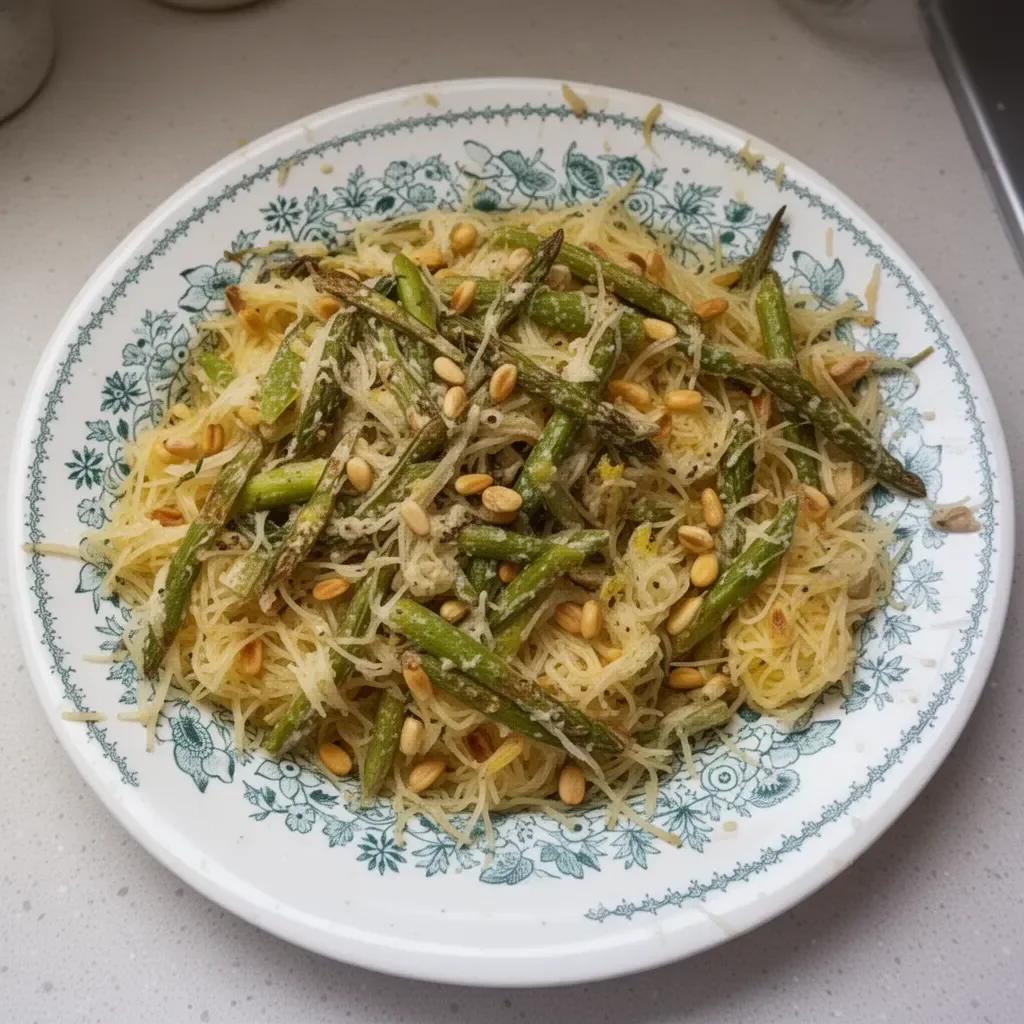
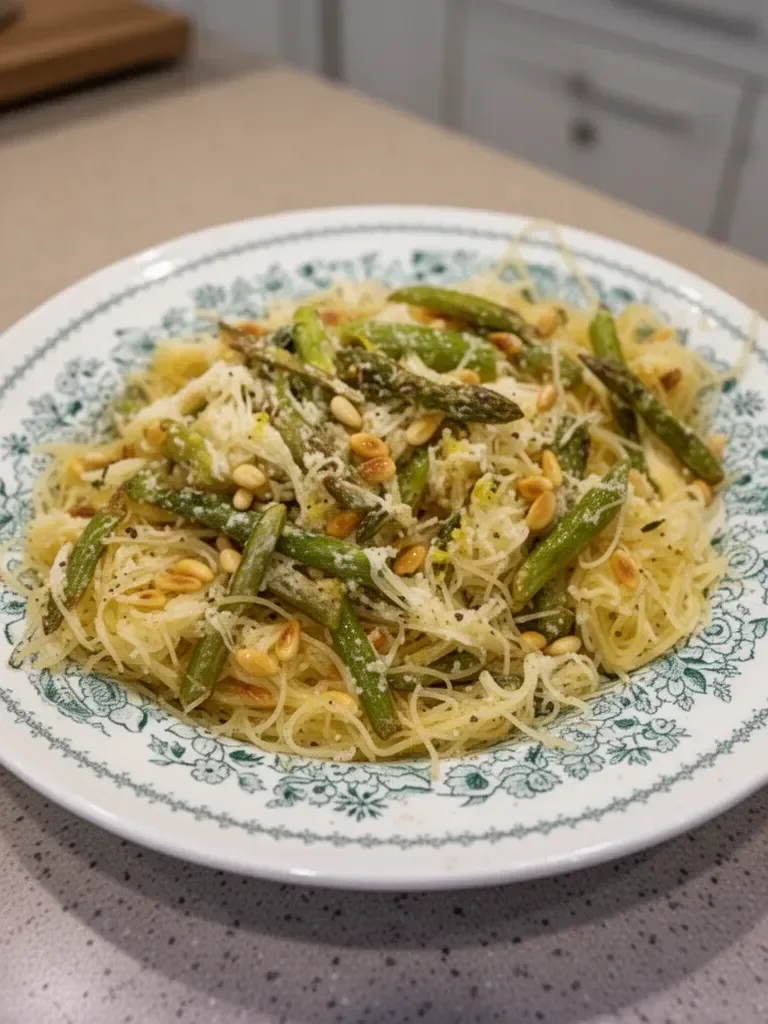
Spaghetti squash holds a special place in my heart. Each time I prepare it, memories of family gatherings come flooding back. I remember autumn nights when my family and I would venture into the kitchen, excited to create something delicious together. The golden strands of the squash, once roasted, mimic traditional pasta, adding a delightful twist to our meals.
The first time I made spaghetti squash, I was amazed by how easy it was to transform it into a vibrant dish. The process of scraping the cooked flesh to reveal its spaghetti-like texture revealed a culinary secret that anyone can master. Every forkful drizzled with marinara sauce and sprinkled with Parmesan takes me back to those cherished moments.
Spaghetti squash isn’t just about nostalgia; it’s a versatile ingredient that can shine at any meal. Whether you’re looking for a low-carb alternative to pasta or simply want to add a nutritious vegetable to your diet, it promises satisfaction. Let’s explore how to bring this delightful dish to your table, making it not just a recipe but an experience.
Spaghetti Squash Fundamentals
Fundamentals
Understanding the fundamentals of spaghetti squash can elevate your cooking. This unique vegetable is more than just a low-calorie alternative; it’s full of flavor and nutrition. Spaghetti squash belongs to the gourd family, and it boasts a mild, slightly sweet taste. Its true charm reveals itself when roasted, allowing the flesh to transform into tender, spaghetti-like strands.
With each bite, you’re treating yourself to a source of vitamins A and C and essential minerals like potassium and fiber. This nutritional powerhouse not only adds a burst of color to your plate but also brings a lightness that balances rich sauces. Embracing spaghetti squash means committing to healthier eating without sacrificing taste.
Preparation/Setup
Before diving into the recipe, preparation is key. Start by selecting a medium spaghetti squash; look for one that feels heavy for its size with smooth skin. The setup involves basic kitchen tools: a sharp knife for cutting, a scoop for removing seeds, and a baking sheet for roasting.
To prepare the squash, preheat your oven to 400°F (200°C). Carefully cut the squash in half lengthwise, and make sure to scoop out the seeds. The next step is crucial: drizzling olive oil on the inside and seasoning it with salt and pepper elevates the flavors significantly.
Ensure you place the halves cut side down on the baking sheet, allowing them to roast for 30-40 minutes. This method maximizes tenderness and enhances the taste.
Ingredients
1 medium spaghetti squash
2 tablespoons olive oil
Salt and pepper to taste
1 cup marinara sauce
1/2 cup grated Parmesan cheese
Fresh basil for garnish
Directions
- Preheat the oven to 400°F (200°C).
- Cut the spaghetti squash in half lengthwise and scoop out the seeds.
- Drizzle olive oil on the inside of the squash and season with salt and pepper.
- Place the squash halves cut side down on a baking sheet and roast for 30-40 minutes, or until the flesh is tender.
- Once roasted, remove from the oven and let cool slightly.
- Use a fork to scrape the flesh into spaghetti-like strands.
- In a pan, heat the marinara sauce and combine it with the spaghetti squash strands.
- Serve topped with Parmesan cheese and fresh basil.
Cooking Techniques for Spaghetti Squash
Technique
The technique behind preparing spaghetti squash is simple yet rewarding. Roasting creates a caramelized exterior while making the interior tender. This cooking method enhances the natural sweetness and allows for easy manipulation when scraping the flesh.
As the squash roasts, the aroma fills the kitchen, setting the stage for a comforting meal. The marinara sauce serves as a flavorful companion, bringing the dish to life with its rich tomato base.
Tips and Tricks
To achieve the best results, here are a few handy tips. First, always choose a ripe spaghetti squash, as an under-ripe variety won’t yield the same flavor. Baking the squash cut side down retains moisture, ensuring a tender texture.
When it comes to seasoning, keep it simple with salt and pepper, but feel free to experiment. Add garlic powder or herbs to the olive oil for a flavor boost. Lastly, ensure you allow the squash to cool slightly before scraping. This makes it easier to handle and creates perfect strands for your dish.
Perfecting Your Spaghetti Squash Results
Perfecting Results
Achieving perfect spaghetti squash involves understanding your oven’s performance. Some ovens may cook faster or slower, so keep an eye on the squash during roasting. A fork should easily pierce the flesh when cooked correctly.
If you find your spaghetti strands are too firm after roasting, consider increasing the roasting time. Alternatively, if they’re mushy, reduce the time in the oven. Striking the right balance will ensure a pleasant texture, which is key to a satisfying dish.
Troubleshooting and Variations
Don’t hesitate to switch things up. If you want to add protein, consider incorporating sautéed chicken or meatballs. You can also experiment with different sauces beyond marinara, such as pesto or Alfredo, for a twist on flavor.
For a kick, sprinkle chili flakes on top for an added layer of heat. If you prefer a vegetarian option, load up on seasonal vegetables like spinach or bell peppers for more texture and nutrition.
Serving and Storing Spaghetti Squash
Serving and Presentation
Presentation transforms simple dishes into memorable meals. For spaghetti squash, serve in its shell for a rustic and appealing display. Top generously with hot marinara sauce and a sprinkle of grated Parmesan cheese. Fresh basil leaves as a garnish provide not only color but also a burst of herbal aroma.
For family-style dining, consider serving the spaghetti squash strands in a large bowl. This invites everyone to help themselves, making for a warm, communal experience around the meal.
Pairings and Storage
As for pairing, consider serving your spaghetti squash with a crisp side salad or steamed vegetables for a complete meal. The freshness of a salad complements the heartiness of the squash, balancing textures and flavors perfectly.
When it comes to storage, leftover spaghetti squash keeps well in the refrigerator for up to four days. Store in an airtight container to maintain its freshness. Reheat gently in the microwave or on the stove, adding a splash of marinara sauce if needed to revive the flavor.
In conclusion, the delightful spaghetti squash recipe offers a wonderful way to enjoy a healthy, satisfying meal. With its ease of preparation and versatility, it’s a dish that can accommodate various tastes and preferences.
Print
Spaghetti Squash
- Prep Time: 15 minutes
- Cook Time: 40 minutes
- Total Time: 55 minutes
- Yield: 4 servings
- Category: Main Course
- Method: Baking
- Cuisine: Italian
- Diet: Vegetarian
Description
A delicious, healthy alternative to traditional pasta, featuring roasted spaghetti squash tossed in marinara sauce and topped with Parmesan cheese.
Ingredients
- 1 medium spaghetti squash
- 2 tablespoons olive oil
- Salt and pepper to taste
- 1 cup marinara sauce
- 1/2 cup grated Parmesan cheese
- Fresh basil for garnish
Instructions
- Preheat the oven to 400°F (200°C).
- Cut the spaghetti squash in half lengthwise and scoop out the seeds.
- Drizzle olive oil on the inside of the squash and season with salt and pepper.
- Place the squash halves cut side down on a baking sheet and roast for 30-40 minutes, or until the flesh is tender.
- Remove from the oven and let cool slightly.
- Use a fork to scrape the flesh into spaghetti-like strands.
- Heat the marinara sauce in a pan and combine it with the spaghetti squash strands.
- Serve topped with Parmesan cheese and fresh basil.
Notes
For added flavor, consider seasoning the olive oil with garlic powder or herbs. Always choose a ripe spaghetti squash for the best results.