
📑 Table of Contents ▶
- Ube Sago: The Delightful Purple Yam Sago
- Understanding Ube Sago
- Fundamentals
- Preparation/Setup
- Directions
- Crafting Your Ube Sago
- Technique
- Tips/Tricks
- Perfecting Ube Sago
- Perfecting Results
- Troubleshooting/Variations
- Serving Ube Sago
- Presentation
- Pairings/Storage
- Ube Sago Delight
- Ube Sago: The Delightful Purple Yam Sago
- More recipes you may like
Ube Sago: The Delightful Purple Yam Sago
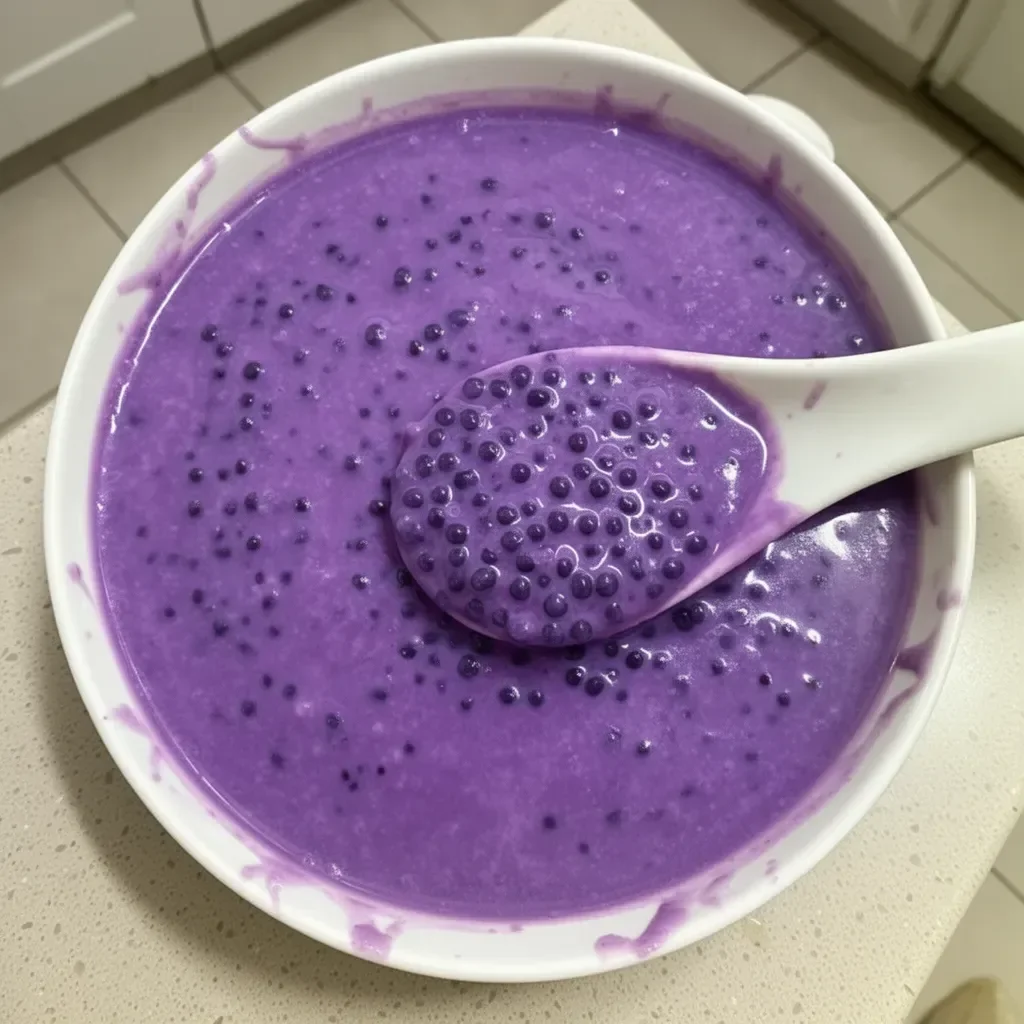
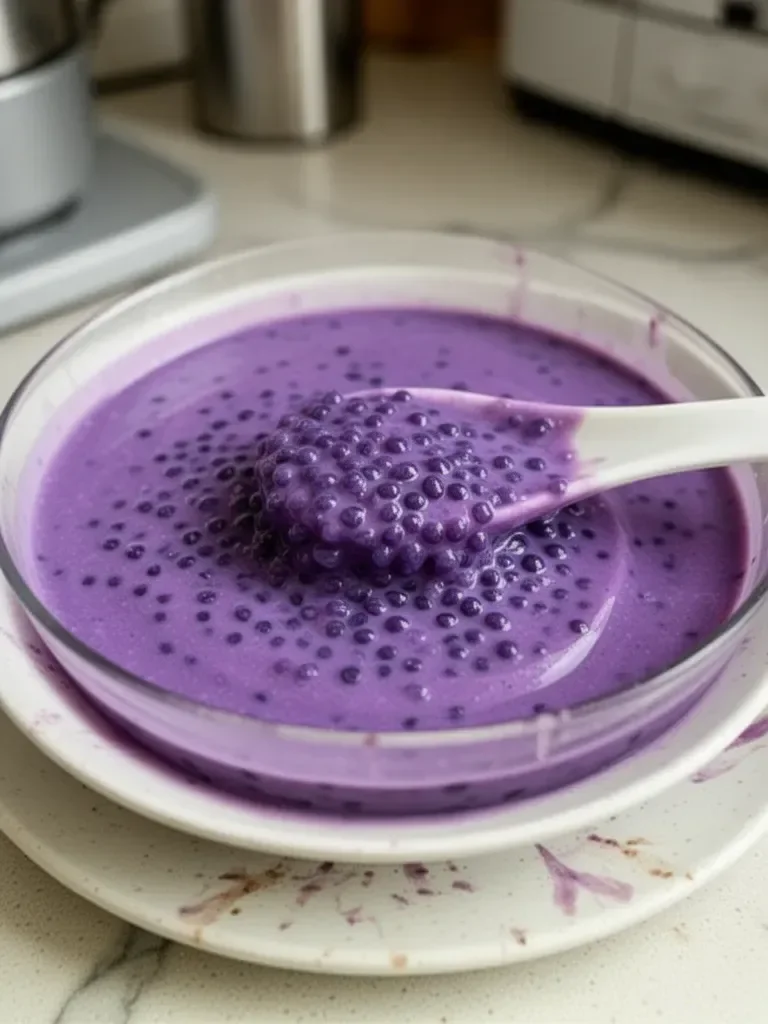
Growing up, few things excited me as much as a family gathering with colorful displays of food. Among all the delicious treats, Ube Sago, or "Purple Yam Sago," stood out with its velvety texture and vibrant hue. Each spoonful brought back memories of joyous laughter and spirited conversations, with the sweet aroma of ube wafting through the air. The combination of the small tapioca pearls enveloped in a rich and creamy concoction always enticed me to go back for seconds…or thirds.
Ube Sago holds a special place in my heart. This indulgent dessert combines flavors that tell a story—a fusion of cultural richness and familial love. The milky, slightly sweet essence of coconut complements the earthy sweetness of ube halaya, while the chewy tapioca adds a fun texture that keeps the experience refreshing. With simple ingredients and an easy recipe, this dessert truly brings people closer together, making it an integral part of any celebration.
The best part? You can customize it with fresh, juicy fruits like strawberries, peaches, or mangoes. This versatile dessert works wonderfully for summer barbecues or cozy winter gatherings. Prepare to fall in love with Ube Sago; the taste of nostalgia awaits.
Understanding Ube Sago
Fundamentals
Ube Sago translates clearly to “Purple Yam Sago,” highlighting its core ingredients. This dessert captivates not just through its bright color but also with its delightful combination of flavors and textures. Ube, a vibrant purple yam, contains a unique flavor profile—a very distinct sweetness that offers depth to the dish.
Tapioca pearls serve as the base, providing a chewy yet delightful bite to complement the creamy and rich mixture of coconut milk and ube halaya. The infusion of extracts enhances the dessert, elevating the taste with a fragrant appeal that captivates the senses. Ube Sago is not just a visually stunning dessert; it’s a delightful adventure for your taste buds.
Preparation/Setup
Perfecting Ube Sago begins with a few essential tools and careful preparation. Begin with a medium pot for cooking the tapioca pearls. You will also need a large mixing bowl for blending the ube halaya and coconut milk. A whisk or sturdy spoon aids in achieving the right consistency. Prepare a chopping board if you plan to add fresh fruits as toppings.
Organization helps streamline the process: gather ingredients such as tapioca pearls, ube halaya, coconut milk, milk, ube extract, vanilla extract, and chopped fruits. Clean surfaces and kitchen tools ensure a smooth cooking experience. Make sure to measure out the ingredients precisely for consistent results.
Ingredients
- 2/3 cup small tapioca pearls
- 1/3 cup ube halaya (up to 1/2 cup for additional sweetness)
- 1/2 cup milk
- 3/4 cup coconut milk
- 1/2 teaspoon ube extract
- 1/2 teaspoon vanilla extract
- Chopped fruit (strawberries, peaches, mango, etc.)
Directions
- Begin by bringing a medium pot of water to a rolling boil.
- Add the tapioca pearls and stir them briefly to prevent sticking.
- Lower the heat and let the pearls boil for 25 minutes. Ensure they become completely translucent. If you see a white dot in the center, continue to cook until it vanishes.
- Once done, drain the tapioca pearls, rinse them in cold water, and soak them in a bowl of cold water. Set aside.
- In a large bowl, incorporate the ube halaya. Gradually whisk in the coconut milk until it fully blends.
- Add the remaining ingredients and stir until you achieve a smooth consistency.
- Drain the tapioca pearls again and add them to the bowl with the mixture.
- Serve immediately or refrigerate for an hour if you prefer it chilled.
- Optionally, top with fresh chopped fruit before enjoying.
Crafting Your Ube Sago
Technique
Creating the perfect Ube Sago involves understanding a few essential techniques. The primary technique centers on cooking the tapioca pearls correctly. Maintaining the correct boiling temperature is critical to achieving that perfect translucent quality. This texture forms the foundation for your dessert.
Another key technique involves blending the ube halaya with coconut milk. Whisk vigorously to ensure a smooth amalgamation that enhances the creaminess of the dish. This mixing plays a crucial role when layering flavors.
Tips/Tricks
- To achieve the best flavor, always select good-quality ube halaya. The more pronounced the ube flavor, the more it enhances your dessert.
- Rinse and soak the cooked tapioca pearls in cold water to prevent them from sticking together.
- Experiment with the sweetness by adjusting the amount of ube halaya. If you have a sweet tooth, try increasing it to 1/2 cup. Feel free to taste as you go!
- Choose a variety of fruits that complement the creamy texture and rich flavor of Ube Sago.
Perfecting Ube Sago
Perfecting Results
Perfecting your Ube Sago comes down to managing the right ratios and cooking times. Always focus on the cooking duration of the tapioca pearls, as that can significantly affect the final texture. Letting them boil too long can make them excessively soft, while undercooked pearls will retain an undesirable toughness.
Considering the right balance of creaminess will also refine your results. Use full-fat coconut milk for a richer experience. The creaminess enhances the overall mouthfeel and elevates the dish from simple to extraordinary.
Troubleshooting/Variations
Should the tapioca pearls become too sticky, make sure to rinse them thoroughly in cold water after cooking. This steps allows you to separate the pearls and regain their delightful texture.
Feel free to tweak the recipe based on personal preferences. If you desire a more adventurous approach, consider adding flavors like grated ginger or pandan extract. These variations can bring unexpected yet delightful notes to your Ube Sago.
Serving Ube Sago
Presentation
When it comes to serving Ube Sago, presentation elevates the experience. Use clear bowls or glasses to display the vibrant colors, layering the dessert will add visual appeal. Top with a colorful assortment of chopped fruits, creating a stunning contrast against the purple hue.
Garnishing with mint leaves adds a pop of freshness and enhances the visual aspect. Consider drizzling with extra coconut milk for an appealing finish.
Pairings/Storage
Ube Sago shines on its own, but it can complement a variety of meals. Serve it as a sweet ending to savory dishes like grilled chicken or seafood dishes. It fits perfectly within festive celebrations and lazy brunches alike.
Store any leftovers in an airtight container in the refrigerator for up to three days. Keep in mind that the texture of tapioca pearls may change upon refrigeration, so it’s best enjoyed fresh.
Ube Sago Delight
Ube Sago encapsulates memories, flavor, and culture with every spoonful. This delightful treat combines a storied history with simple preparations, making it accessible to all. Embrace this recipe, and let the enchanting experience of Ube Sago bring joy to your gatherings and homes, just as it did for me.
Print
Ube Sago: The Delightful Purple Yam Sago
- Prep Time: 10 minutes
- Cook Time: 30 minutes
- Total Time: 40 minutes
- Yield: 4 servings
- Category: Dessert
- Method: Boiling
- Cuisine: Filipino
- Diet: Vegetarian
Description
A delicious dessert combining chewy tapioca pearls, rich ube halaya, and creamy coconut milk, perfect for any celebration.
Ingredients
- 2/3 cup small tapioca pearls
- 1/3 cup ube halaya (up to 1/2 cup for additional sweetness)
- 1/2 cup milk
- 3/4 cup coconut milk
- 1/2 teaspoon ube extract
- 1/2 teaspoon vanilla extract
- Chopped fruit (strawberries, peaches, mango, etc.)
Instructions
- Bring a medium pot of water to a rolling boil.
- Add the tapioca pearls and stir them briefly to prevent sticking.
- Lower the heat and let the pearls boil for 25 minutes until completely translucent.
- Drain the tapioca pearls, rinse them in cold water, and soak in a bowl of cold water. Set aside.
- In a large bowl, incorporate the ube halaya and gradually whisk in the coconut milk until fully blended.
- Add the remaining ingredients and stir until smooth.
- Drain the tapioca pearls again and add them to the mixture.
- Serve immediately or refrigerate for an hour if you prefer it chilled.
- Top with fresh chopped fruit before enjoying.
Notes
For best flavor, choose good-quality ube halaya. Rinse and soak cooked tapioca pearls to prevent sticking. Customize sweetness by adjusting ube halaya amount.