
📑 Table of Contents ▶
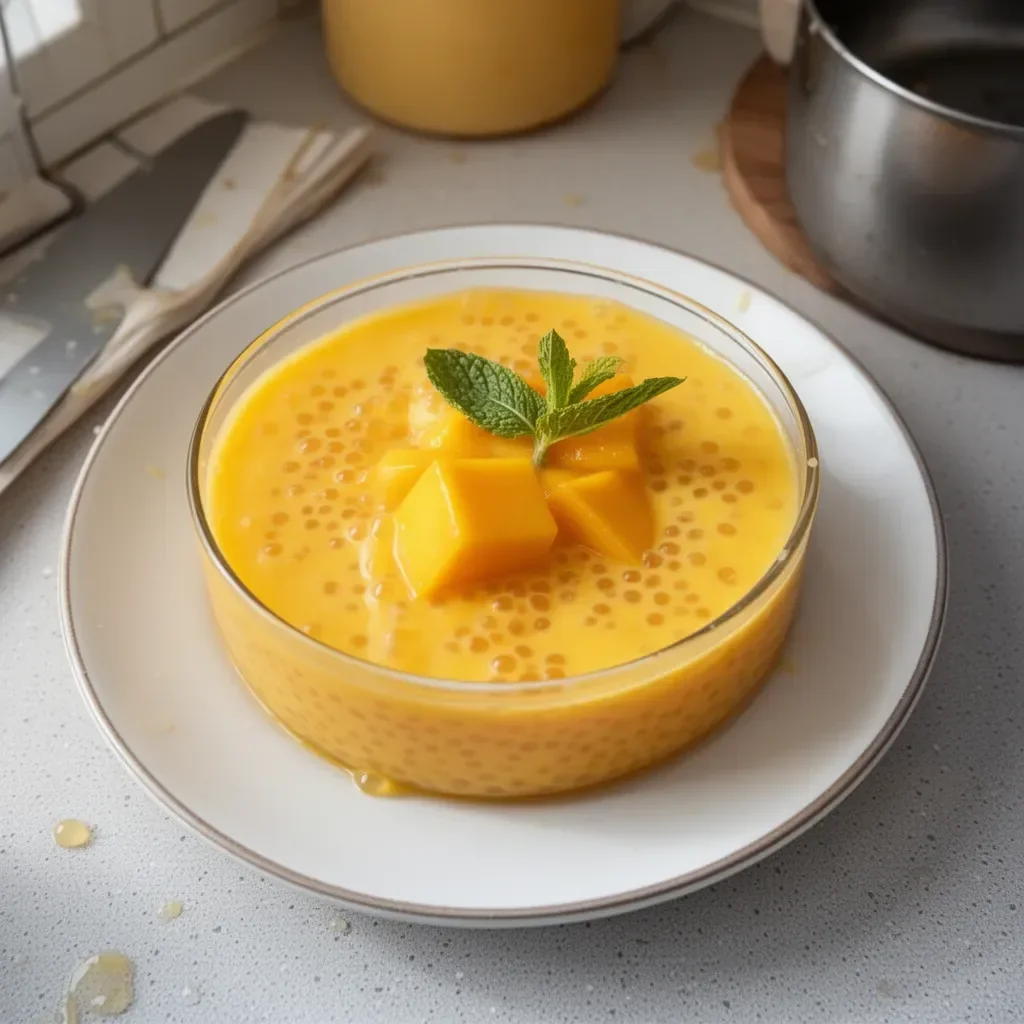
Sweltering summer afternoons often invite memories of tropical treats. Mango Sago stands out as a refreshing choice. I recall sitting outside on a hot day, relishing every spoonful of this creamy dessert made with ripe mangoes and rich coconut milk. Each bite delivered a burst of sweetness that only fresh mangoes can provide. The delightful chewy sago pearls added a unique texture that transformed the treat into something special.
Creating Mango Sago effortlessly conjures up that whimsical sense of summer. Combining diced mangos with tapioca sago pearls and creamy coconut milk elevates a simple dessert into an indulgent experience. This dish brings nostalgia and flavor together, reminding everyone why summertime is truly the best time for icy cool delights. The vibrant colors and textures of Mango Sago make it not just a dessert, but a fantastic centerpiece for any gathering or personal indulgence.
Crafting Mango Sago is about embracing simplicity while enjoying the rich flavors of the tropics. Diving into this creamy dessert feels like a mini-vacation on your plate. Whether serving it at a barbecue, a family gathering, or just for yourself, Mango Sago guarantees satisfaction. Let’s explore the wonderful aspects of this tropical treat that can brighten any moment.
The Magic of Mango Sago
Fundamentals
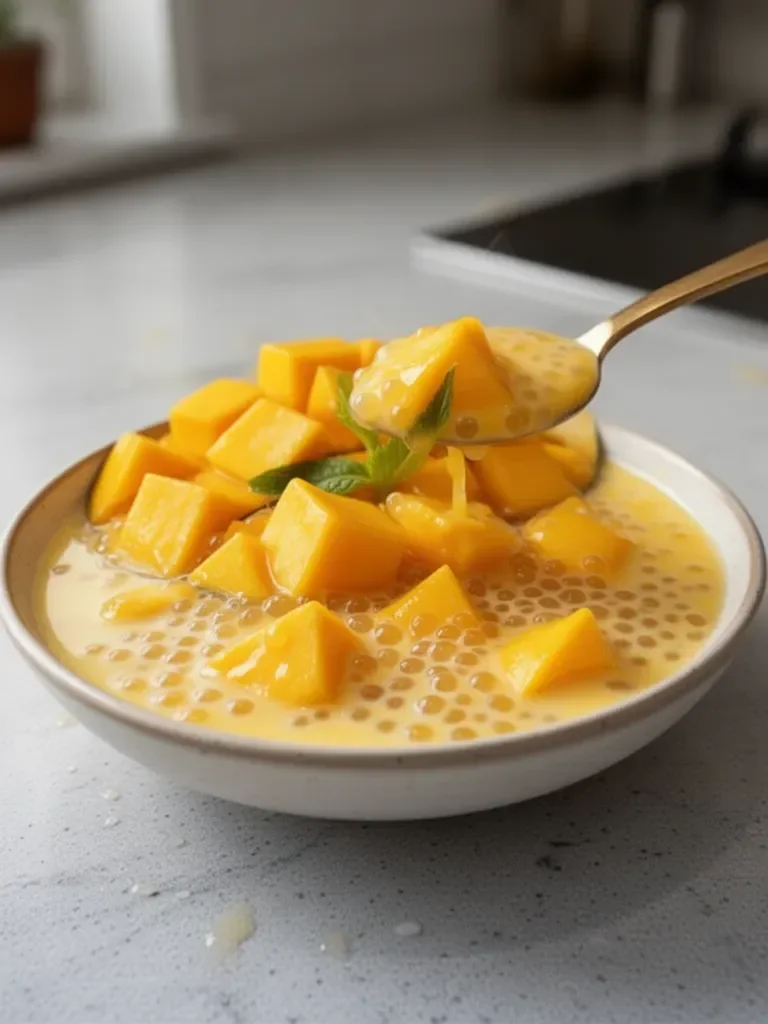
Mango Sago is not just a dessert; it’s a tropical experience. At its core, the dish showcases the sweetness of ripe mangoes, the creaminess of coconut milk, and the chewy texture of sago pearls. This combination creates a harmonious balance that is visually appealing and deliciously satisfying. The dessert’s allure lies in its simplicity. Using just a handful of ingredients transforms into a delightful dish anyone can enjoy.
To make Mango Sago, proper preparation is key. The sago pearls need soaking and cooking to reach the right consistency. Selecting ripe, juicy mangoes ensures the dessert achieves a sweet and rich flavor profile. The coconut milk adds a velvety smoothness that complements the mango perfectly. This dessert caters not just to the taste buds but also the eyes, with its shimmering layers of color.
Preparation/setup
Gathering the right ingredients is the first step toward making Mango Sago. You need two ripe mangos, coconut milk, tapioca sago pearls, and some optional sugar and mint leaves for garnishing. Start by rinsing the sago pearls under cold water, then soak them in water for about 30 minutes. This step ensures the pearls cook evenly and achieve that delightful chewy texture you expect from sago.
Once the sago pearls have soaked, the next step involves cooking them. Boiling water prepares the pot for cooking the pearls. Ensure to stir occasionally for even cooking. This process usually takes about 10 to 15 minutes. Once the pearls turn translucent, drain and rinse them under cold water to stop the cooking process. This rinsing step is crucial in removing any stickiness and keeps the pearls separate.
Ingredients
- 2 ripe mangos, diced
- 1 cup coconut milk
- 1/2 cup tapioca sago pearls
- 1/4 cup sugar (optional)
- Water (for cooking sago)
- Mint leaves (for garnish, optional)
Directions
- Rinse the tapioca sago pearls under cold water and soak them in water for about 30 minutes.
- In a pot, bring water to a boil, then add the soaked sago pearls. Cook for about 10-15 minutes, stirring occasionally until the pearls become translucent.
- Drain the sago pearls and rinse them under cold water to stop the cooking process.
- In a bowl, mix the cooked sago pearls with coconut milk and sugar (if using).
- Layer the diced mango and the sago mixture in serving glasses.
- Chill in the refrigerator for about 30 minutes and serve cold, garnished with mint leaves if desired.
Elevating the Mango Sago Experience
Technique
Creating Mango Sago requires attention to detail and a little technique. While the recipe appears simple, the technique ensures every layer maintains quality and flavor. Each step plays a crucial role in achieving the desired texture and taste. Ensuring accuracy while cooking the sago pearls leads to the perfect consistency: soft yet chewy, with a pleasant bounce.
Pay attention to the quality of the mangoes. They should be sweet, ripe, and juicy for a delicious end result. When combining the diced mangoes with the coconut milk and sago, consider layering them in a glass to create a beautiful presentation. This attention to aesthetics not only enhances the dining experience but also adds an element of fun to serving.
Tips/tricks
Utilizing specific tips can elevate the Mango Sago preparation. When soaking the sago pearls, use enough water for them to expand adequately. This avoids clumping during the cooking process. If you prefer a sweeter dessert, adjust the sugar to your taste. Remember, the natural sweetness of ripe mangoes contributes significantly to the overall flavor.
Chilling the Mango Sago mixture enhances its refreshing nature. Allow it to chill in the refrigerator for at least 30 minutes before serving. Garnishing with mint leaves adds a touch of color and enhances the presentation. The mint aroma pairs delightfully with the mango and coconut flavors.
Perfecting Mango Sago
Perfecting results
Achieving the perfect Mango Sago involves a few techniques and patience. The cooking time for sago pearls is critical; overcooking can lead to mushiness. Ensure you stir them gently during cooking to prevent them from sticking. After cooking, rinsing them helps remove excess starch, ensuring each pearl retains its unique texture.
When layering the dessert, consider alternating between the sago mixture and the diced mango. This creates a visually appealing presentation and allows everyone to enjoy both flavors in every spoonful. The balance of creamy and fruity will ensure a delightful experience for those savoring it.
Troubleshooting/variations
Sometimes, things don’t go as planned while making Mango Sago. If the sago pearls clump together, rinse them again under cold water or stir them gently to separate. If the dessert gets too thick, add a splash of coconut milk to loosen it. For those looking to explore variations, consider adding other tropical fruits, such as diced kiwi or strawberries, for a colorful twist.
Experimenting with flavors can also be fun. Consider infusing the coconut milk with a touch of vanilla or pandan for an aromatic twist. Each of these variations can add a new layer of depth to the traditional Mango Sago experience.
Serving and Storing Mango Sago
Serving/presentation
Presenting Mango Sago beautifully enhances the overall dining experience. Use clear serving glasses or bowls to showcase the vibrant layers of yellow mango and white sago mixture. Consider glazing the edges with a dollop of coconut milk for added visual appeal. Garnishing the dessert with fresh mint leaves elevates the aesthetic and adds a hint of freshness.
Arrange the servings on a colorful platter or wooden board to create an inviting display. This presentation makes it ideal for gatherings or special events, enticing everyone who sees it.
Pairings/storage
Mango Sago pairs wonderfully with other tropical treats. Consider serving it alongside fresh fruit platters featuring pineapple, papaya, and berries for a refreshing dessert table. Coconut-flavored snacks like coconut macaroons make for great accompaniments as well.
For storing leftover Mango Sago, cover the serving glasses with plastic wrap or seal them in an airtight container. Keep it in the refrigerator for up to two days. However, the dessert tastes best when freshly made. Enjoying it within a short period ensures the sago remains chewy, and the mango retains its vibrant flavor.
Mango Sago is a delightful treat that invites you to a tropical paradise right at home. The combination of flavors, textures, and colors creates a memorable experience for everyone involved. Each bite of Mango Sago offers a refreshing taste of summer, proving that simple ingredients can provide incredible satisfaction.
Print
Mango Sago
- Prep Time: 30 minutes
- Cook Time: 15 minutes
- Total Time: 45 minutes
- Yield: 4 servings
- Category: Dessert
- Method: Chilling
- Cuisine: Tropical
- Diet: Vegetarian
Description
A refreshing tropical dessert made with ripe mangoes, chewy sago pearls, and creamy coconut milk, perfect for summer.
Ingredients
- 2 ripe mangos, diced
- 1 cup coconut milk
- 1/2 cup tapioca sago pearls
- 1/4 cup sugar (optional)
- Water (for cooking sago)
- Mint leaves (for garnish, optional)
Instructions
- Rinse the tapioca sago pearls under cold water and soak them in water for about 30 minutes.
- In a pot, bring water to a boil, then add the soaked sago pearls. Cook for about 10-15 minutes, stirring occasionally until the pearls become translucent.
- Drain the sago pearls and rinse them under cold water to stop the cooking process.
- In a bowl, mix the cooked sago pearls with coconut milk and sugar (if using).
- Layer the diced mango and the sago mixture in serving glasses.
- Chill in the refrigerator for about 30 minutes and serve cold, garnished with mint leaves if desired.
Notes
For a sweeter dessert, adjust sugar to taste. Chilling enhances the refreshing nature of the dish.