
📑 Table of Contents ▶
Growing up, Sunday dinners at my grandmother’s house always filled the air with the comforting scents of simmering beef and vegetables. One of my favorite dishes was Korean beef noodles, vibrant and full of flavor. Each bite took me back to those warm family moments, shared over bowls filled to the brim with love and laughter.
The process of making these Korean beef noodles is just as soothing as the dish itself. It begins with fresh, vibrant ingredients that come together seamlessly. The beef, tender and flavorful, plays a starring role as it melds with the savory broth. With the addition of mixed vegetables and gochujang, the flavor profile becomes rich and layered. This dish is an homage to those family gatherings, allowing anyone to recreate that wonderful experience in their own kitchen.
Every slurp of these Korean beef noodles brings together the rich broth, savory beef, and satisfying noodles. It’s a meal that transcends age and time. You can whip up this comforting dish on a weekday evening, turning a simple meal into an extraordinary feast.
Korean Beef Noodles Fundamentals
When diving into the preparation of Korean beef noodles, understanding the fundamentals is crucial. This dish relies on quality ingredients and a thoughtful cooking process. The star players include beef, noodles, and a rich broth that serves as the base for all the flavors to mingle.
Preparation/setup
Start by selecting the right cut of beef. Options like chuck or flank steak yield the best results, thanks to their flavor and tenderness when cooked. Slice the beef thinly so it cooks evenly and absorbs maximum flavor from the broth. Once your beef is prepared, gather the remaining ingredients. Mixed vegetables such as carrots, bell peppers, and bok choy provide color and nutrition, while garlic and ginger add aromatic depth.
Setting up your cooking station is equally important. Ensure that all ingredients are within reach for a smooth cooking experience. Having a large pot ready will allow for easy combining of all components, ensuring flavors meld beautifully.
Ingredients
For Korean beef noodles, gather the following:
- 1 lb beef (chuck or flank steak), sliced
- 8 oz noodles (e.g., udon or rice noodles)
- 4 cups beef broth
- 2 cups mixed vegetables (e.g., carrots, bell peppers, and bok choy)
- 2 tablespoons soy sauce
- 1 tablespoon sesame oil
- 2 cloves garlic, minced
- 1 teaspoon ginger, minced
- 1 tablespoon gochujang (Korean chili paste) or to taste
- Salt and pepper to taste
- Green onions, chopped (for garnish)
Directions
Cooking Korean beef noodles is a straightforward process. It begins with heating sesame oil in a large pot over medium heat. Once hot, add the sliced beef and allow it to brown thoroughly. This browning creates a layer of flavor that enhances the entire dish.
Next, incorporate the minced garlic and ginger, cooking them for an additional minute to infuse their aromatic richness into the beef. Once fragrant, pour in the beef broth and soy sauce. Bring this mixture to a lively simmer, allowing it to bubble gently as the flavors blend.
To elevate the dish, add the gochujang, adjusting to taste. Season with salt and pepper, ensuring each bite is perfectly balanced. After this, mix in the vibrant vegetables and let the mixture simmer until they become tender.
While the vegetables cook, prepare the noodles according to package instructions. Once cooked, drain and set aside. Finally, unite the cooked noodles with the beef mixture, stirring well to combine all components.
Serve the Korean beef noodles hot, garnished with chopped green onions for a fresh and vibrant finish. Enjoying this dish provides a comforting reminder of familial love, warmth, and hearty flavors.
Techniques for Korean Beef Noodles
Mastering the art of Korean beef noodles requires some basic techniques that can significantly enhance the final product. Understanding cooking times and ingredient interactions can truly elevate this dish.
Technique
Searing the beef correctly lays the foundation for rich flavor in Korean beef noodles. Ensure the pan is adequately heated before adding the beef, allowing for proper browning. Crowding the pot can lead to steaming rather than browning, so work in batches if necessary.
When simmering the broth with garlic, ginger, and soy sauce, maintaining a gentle simmer is crucial. A rumbling boil can dilute flavors and make the broth overly cloudy. A calm simmer helps meld the flavors beautifully.
Adding gochujang is another technique that enhances the dish’s complexity. Start with a smaller amount, tasting as you go, to find that perfect balance of heat. This personalized approach makes the dish uniquely yours.
Tips/tricks
To ensure your Korean beef noodles shine, consider the following tips:
- Use freshly minced garlic and ginger: This makes a difference in aroma and flavor intensity.
- Customize with vegetables: Feel free to mix in your favorites or whatever you have on hand to maximize freshness.
- Right noodle choice: Udon noodles offer a chewy texture, while rice noodles provide a lighter alternative. Select the one you prefer.
- Make ahead: Prepare the broth and beef a day ahead. This allows flavors to deepen and makes for an easier cooking experience on the day you want to serve.
With these techniques and tips, every bowl of Korean beef noodles will be a comforting, flavorful delight.
Perfecting Your Korean Beef Noodles
Achieving flawless Korean beef noodles is all about small adjustments and an understanding of the ingredients. The beauty of this dish lies in its flexibility, allowing for creativity while staying true to its roots.
Perfecting results
For the best results, start with high-quality beef. The marbling in the meat enhances tenderness, absorbing flavors well during cooking. Additionally, be mindful of cooking times for the mixed vegetables. Overcooking can lead to mushiness, while undercooking leaves them crunchy. Aim for a vibrant, tender finish.
Adjusting the consistency of the broth may also be necessary, depending on taste. If you prefer a thicker broth, consider adding a cornstarch slurry during simmering. This will create a luscious, velvety sauce that clings beautifully to the noodles and beef.
Troubleshooting/variations
Should the seasoning feel off, don’t hesitate to tweak it. A touch more soy sauce or a pinch of sugar can elevate flavors beautifully. If you crave more heat, additional gochujang can be your friend.
Variations are endless; consider adding different types of protein like chicken or tofu for a unique twist. Alternative vegetables can include snap peas or mushrooms, giving personal flair to the dish.
Experimenting with these adjustments will help you discover your perfect bowl of Korean beef noodles.
Presentation of Korean Beef Noodles
The visual appeal of your Korean beef noodles can enhance the dining experience. A well-presented dish not only looks inviting but also increases anticipation for the first bite.
Serving/presentation
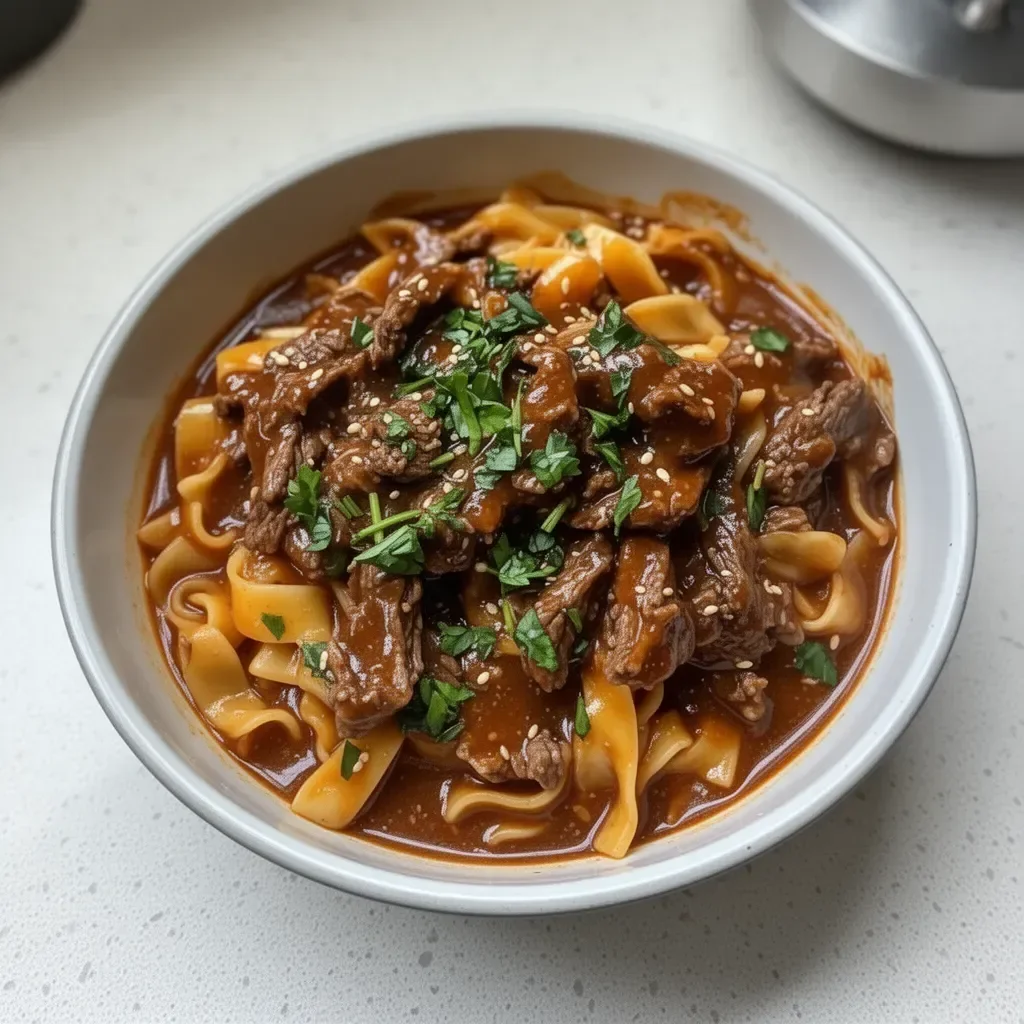
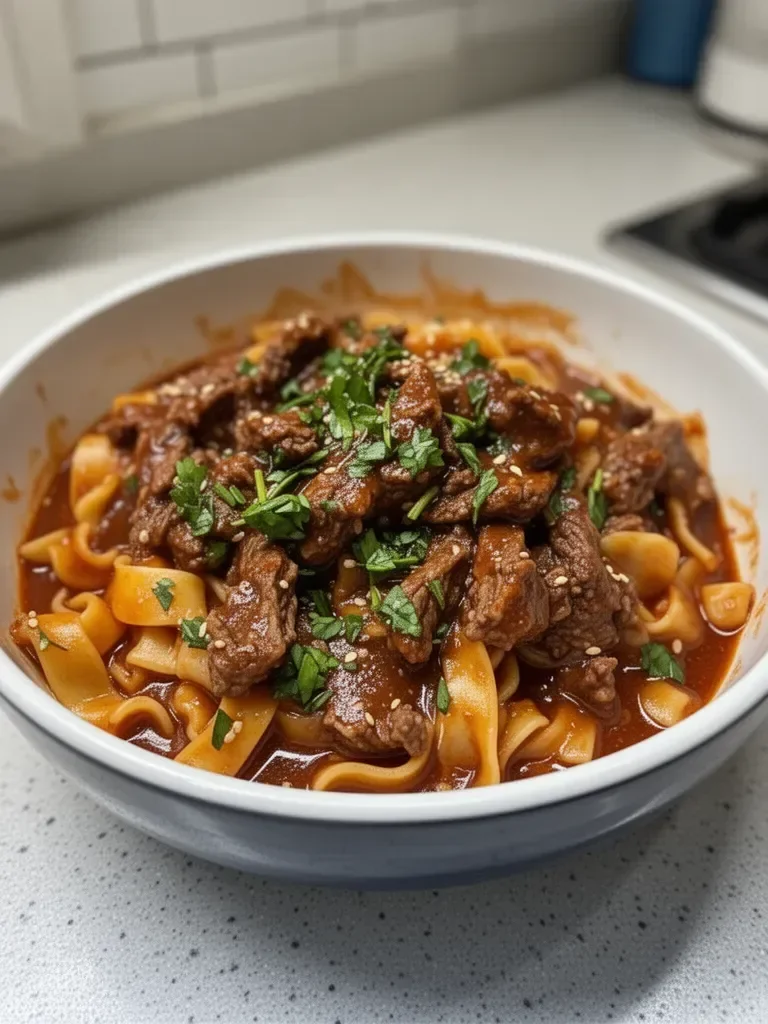
To present Korean beef noodles beautifully, consider using a deep bowl that can contain all components without spillage. Start with a base of noodles, then layer on the beef and vegetables. Carefully pour the aromatic broth over the top, ensuring each ingredient remains visible.
Garnishing with chopped green onions adds a pop of color and freshness. A sprinkle of sesame seeds or chili flakes can further enhance the visual appeal, reflecting the delicious flavors.
Pairings/storage
Korean beef noodles can shine on their own, but complementary sides can elevate the meal experience. Serve with crispy kimchi for a tangy crunch or a light salad with a sesame dressing. These additions contrast beautifully with the richness of the noodles.
For storage, place leftovers in an airtight container and refrigerate. Enjoy within 2-3 days for the best taste and freshness. Reheat gently on the stovetop, adding a splash of broth if needed to revive its moisture.
Conclusion
The journey of preparing Korean beef noodles brings rich flavors and comforting nostalgia into the home. The harmonious blend of savory beef, tender vegetables, and satisfying noodles makes this dish truly special. Each time you prepare it, you recreate the warmth and joy reminiscent of family gatherings. Embracing this recipe leads to delicious meals and treasured moments around the table.
Print
Korean Beef Noodles
- Prep Time: 15 minutes
- Cook Time: 30 minutes
- Total Time: 45 minutes
- Yield: 4 servings
- Category: Main Course
- Method: Stovetop
- Cuisine: Korean
- Diet: None
Description
A comforting dish with tender beef, savory broth, and vibrant vegetables that evokes warm family gatherings.
Ingredients
- 1 lb beef (chuck or flank steak), sliced
- 8 oz noodles (e.g., udon or rice noodles)
- 4 cups beef broth
- 2 cups mixed vegetables (e.g., carrots, bell peppers, and bok choy)
- 2 tablespoons soy sauce
- 1 tablespoon sesame oil
- 2 cloves garlic, minced
- 1 teaspoon ginger, minced
- 1 tablespoon gochujang (Korean chili paste) or to taste
- Salt and pepper to taste
- Green onions, chopped (for garnish)
Instructions
- Heat sesame oil in a large pot over medium heat.
- Add the sliced beef and brown thoroughly.
- Incorporate the minced garlic and ginger, cooking for an additional minute.
- Pour in the beef broth and soy sauce, bringing the mixture to a simmer.
- Add gochujang, adjusting to taste with salt and pepper.
- Mix in the mixed vegetables and simmer until tender.
- Prepare the noodles according to package instructions, then drain.
- Combine the cooked noodles with the beef mixture.
- Serve hot, garnished with green onions.
Notes
Use freshly minced garlic and ginger for better flavor. Customize with different vegetables based on preference.