
📑 Table of Contents ▶
Some of my earliest kitchen memories revolve around the comforting aroma of a simmering stew, a dish that has always felt like a warm hug in a bowl. The beauty of a venison stew or any hearty stew lies in its ability to transform simple ingredients into a rich tapestry of flavors. I’ve spent countless hours perfecting my own recipe, drawing inspiration from family traditions and my personal love for experimenting with seasonal produce.
The process of making venison stew is as therapeutic as it is rewarding. It’s a ritual that begins with the careful browning of the meat, followed by the slow build of flavors as the stew bubbles away. Each step brings a sense of anticipation, knowing that the end result will be a delicious meal shared with loved ones. It’s these shared experiences that truly make cooking special.
Every time I prepare venison stew, I’m reminded of the cozy dinners around the table, where stories were exchanged and laughter filled the room. The aroma of the stew simmering on the stove creates an inviting atmosphere that draws everyone in. In this blog, I aim to capture that same sense of warmth and community, offering a recipe that’s both satisfying and simple to create.
Whether you’re a seasoned cook or just starting out, this venison stew recipe promises to deliver a rich, flavorful experience. By focusing on the basics and embracing a few helpful tips, you’ll find yourself creating a dish that not only nourishes the body but also the soul. Let’s dive into the details and discover how to make this comforting classic your own.
Print
Venison Stew
- Prep Time: 25 minutes
- Cook Time: 120 minutes
- Total Time: 145 minutes
- Yield: 6
- Category: Main Course
- Method: Stewing
- Cuisine: American
Description
Discover how to make a delicious venison stew that is hearty, flavorful, and perfect for cozy nights in. Learn the step-by-step recipe now!
Ingredients
- 2 tablespoons vegetable oil (30 ml)
- 2 pounds (900 g) beef stew meat
- 3 medium onions, chopped
- 2 cloves garlic, minced
- 3 cups (720 ml) water
- 1 tablespoon (15 ml) Worcestershire sauce
- 1 tablespoon (15 ml) salt
- 5 teaspoon (3 ml) dried oregano
- 1 large bay leaf
- 7 small potatoes, peeled and quartered
- 1 pound (450 g) carrots, cut into 1 inch pieces
- 25 cup (60 ml) all-purpose flour
- 25 cup (60 ml) water
Instructions
- Warm the vegetable oil in a large, sturdy pot over medium heat. Add the beef stew meat, cooking and stirring until it is thoroughly browned, about 5 to 7 minutes. Incorporate the chopped onions and minced garlic, cooking and stirring until they become translucent, roughly 5 minutes. Pour in the water, Worcestershire sauce, salt, oregano, and bay leaf. Cover the pot and let the mixture gently simmer until the beef is tender, approximately 1 1/2 to 2 hours.
- Add the quartered potatoes and carrot pieces, cooking until they become soft, which should take 15 to 20 minutes.
- In a small bowl, blend the flour with water; pour this mixture into the stew and continue cooking until it thickens, about 5 to 10 minutes. Before serving, remove the bay leaf.
Notes
- Consider using beef broth instead of water for a richer stew flavor.
- Add a splash of for added depth before simmering the stew.
- Enhance the aroma by sprinkling fresh chopped parsley on top before serving.
Venison Stew Essentials
Fundamentals
Understanding the fundamentals of a great venison stew is the first step toward mastery. At its core, a stew is about layering flavors over time. The key is to start with high-quality ingredients. Fresh vegetables, aromatic herbs, and tender meat come together to create a deep, savory flavor profile.
Choosing the right cut of meat is crucial. For venison stew, the meat should be lean yet robust enough to withstand slow cooking. This ensures the meat becomes tender without losing texture. Additionally, incorporating a balance of seasonings like oregano and bay leaves enhances the natural flavors of the dish.
Preparation and Setup
Preparation is where the magic begins. Start by warming vegetable oil in a sturdy pot over medium heat. Brown the beef stew meat, allowing it to develop a rich, caramelized exterior. This step is essential for building the stew’s depth of flavor. Next, add chopped onions and minced garlic, cooking until they become translucent, releasing their sweet, fragrant aroma.
Once the aromatics are ready, pour in water, Worcestershire sauce, salt, oregano, and a bay leaf. These ingredients form the base of the stew, creating a savory broth that infuses the meat with flavor. Cover the pot and let it simmer, allowing the flavors to meld together beautifully over time.
Crafting the Perfect Venison Stew
Technique
Mastering the technique of making venison stew involves patience and attention to detail. As the stew simmers, it’s important to maintain a gentle heat. This prevents the meat from becoming tough and ensures the flavors develop gradually. Stirring occasionally helps distribute the heat evenly, promoting a harmonious blend of ingredients.
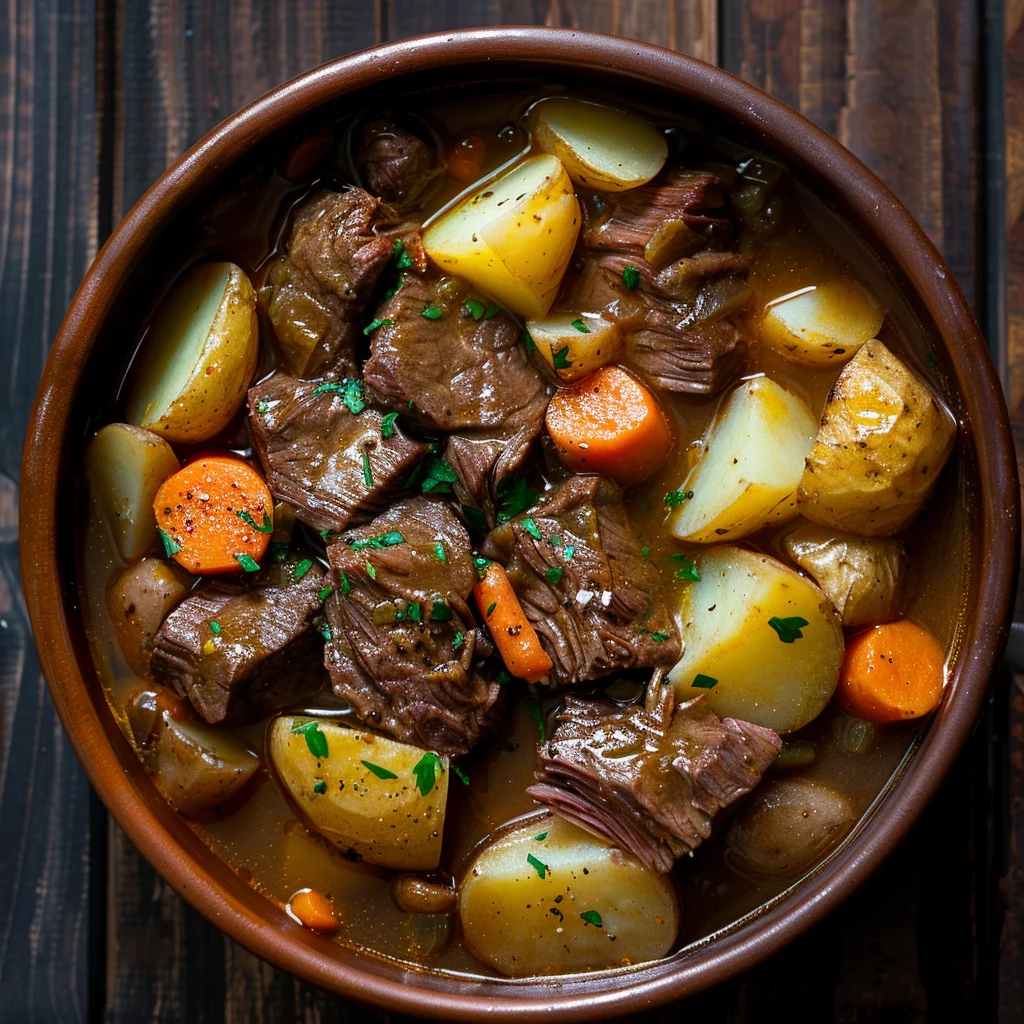
Venison Stew
Adding potatoes and carrots to the simmering stew introduces a hearty texture and natural sweetness. These vegetables not only complement the meat but also absorb the rich flavors of the broth. Cook them until they are tender, enhancing the overall mouthfeel of the dish.
Tips and Tricks
To elevate your venison stew, consider a few helpful tips. Always taste the stew as it cooks, adjusting the seasoning as needed. This ensures a balanced flavor profile. Additionally, allow the stew to rest before serving. This brief pause allows the flavors to settle, resulting in a more cohesive dish.
If you’re curious about alternative techniques, exploring different stew recipes can offer fresh insights. For instance, the one-pot Martha Stewart approach can inspire new methods of preparation. By experimenting with variations, you can tailor the stew to your personal taste preferences.
Enhancing Your Venison Stew
Perfecting Results
Achieving perfection in venison stew involves refining each element of the dish. Focus on achieving the ideal consistency by mixing flour with water and incorporating it into the stew. This step thickens the broth, creating a luscious, velvety texture that coats the ingredients beautifully.
Removing the bay leaf before serving is a small yet important detail. This ensures the stew has a clean finish, free from any unwanted bitterness. Attention to these finer points can elevate the overall quality of the dish, making it truly memorable.
Troubleshooting and Variations
If you encounter any challenges while making venison stew, there are simple solutions to consider. If the stew is too thin, allow it to simmer for a bit longer to reduce the liquid. Conversely, if it becomes too thick, a splash of water can help achieve the desired consistency.
For those interested in exploring variations, consider experimenting with different vegetables or herbs. Incorporating seasonal produce can add a fresh twist to the classic recipe. Resources like venison and pumpkin stew offer creative ideas for adapting the dish to suit different tastes and occasions.
Serving and Enjoying Venison Stew
Presentation
Presentation plays an important role in enhancing the dining experience. Serve venison stew in rustic bowls that highlight its hearty, comforting nature. Garnishing with fresh herbs like parsley or thyme adds a pop of color and a hint of freshness, making the dish visually appealing.
For an added touch of elegance, pair the stew with a side of crusty bread. The bread serves as the perfect vessel for soaking up the rich broth, completing the meal in a satisfying way. Emphasizing these details can transform a simple stew into a dining experience that feels both cozy and refined.
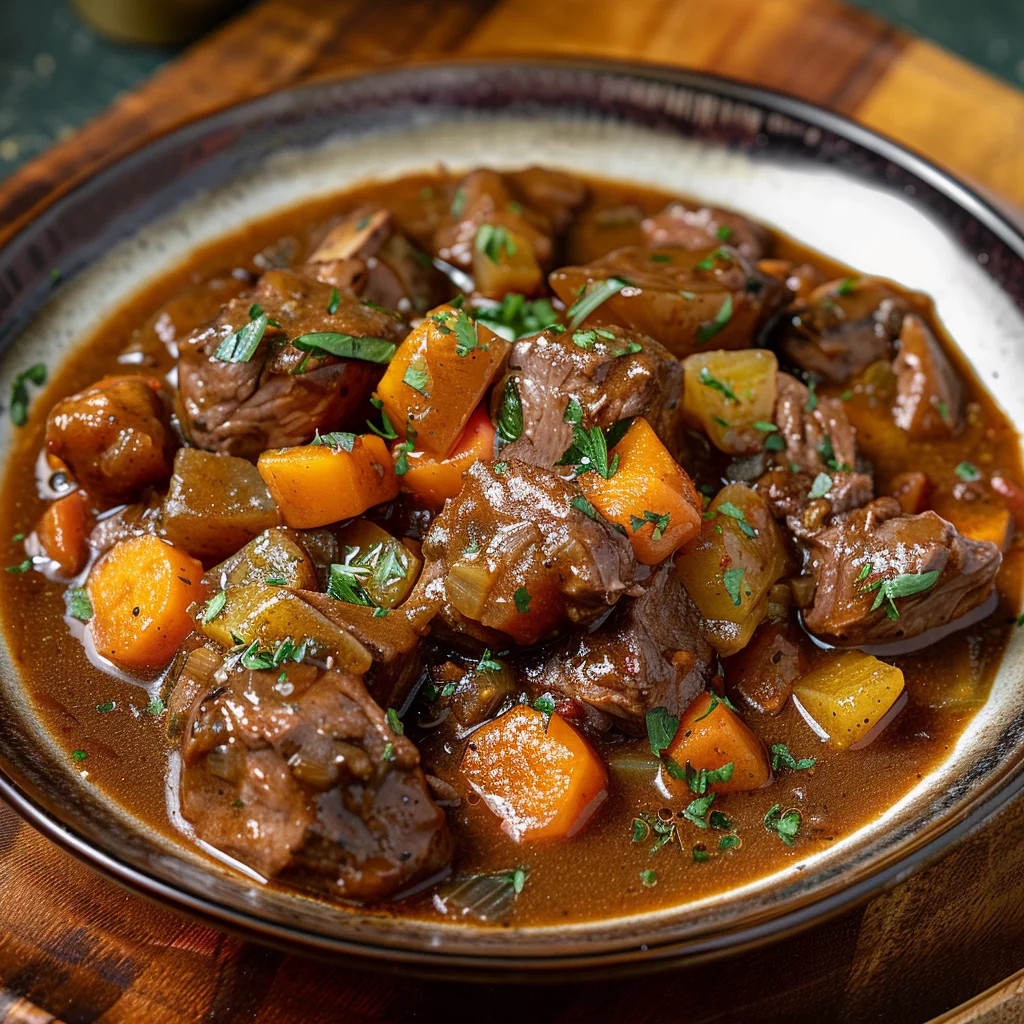
Venison Stew
Pairings and Storage
The beauty of venison stew lies in its versatility. Pair it with a variety of sides, such as a fresh salad or roasted vegetables, to create a balanced meal. For those seeking inspiration, the sous vide method offers a unique approach to cooking beef stew meat, providing an alternative way to enjoy the dish.
When it comes to storage, venison stew is an excellent make-ahead meal. It keeps well in the refrigerator for a few days, allowing the flavors to deepen over time. Simply reheat and enjoy a quick, comforting meal on busy days. This convenience makes venison stew a practical choice for meal planning, ensuring a delicious option is always on hand.
Conclusion
Venison stew, with its rich flavors and comforting qualities, stands as a testament to the art of slow cooking. By mastering the fundamentals and embracing creative techniques, you can craft a dish that delights the senses and warms the heart. The simplicity of its ingredients, combined with the depth of its flavor, makes venison stew a versatile and satisfying meal.
Whether served on a cozy weeknight or as part of a festive gathering, venison stew brings people together over shared enjoyment. Its ability to adapt to various tastes and occasions underscores its enduring appeal. With this recipe, you’ll find yourself not only making a delicious stew but also creating cherished culinary memories.