📑 Table of Contents ▶
Turkey | Thanksgiving Recipes, Side Dishes, Thanksgiving Cooking, Thanksgiving Recipes
Thanksgiving immediately brings to mind the warm, inviting aroma of turkey roasting in the oven. Memories of gathered family around a beautifully set table, chatting and laughing, blend into this scene. The thrill of basting, ensuring crispy skin and juicy meat, fills each holiday season with anticipation. This centerpiece brings not just nourishment but the spirit of togetherness.
Every Thanksgiving, cooking the turkey becomes a cherished tradition. It’s a labor of love, from selecting the perfect bird to the final touches that crown the dish. With each bite, the turkey tells a story—stories of gratitude, of laughter shared, and of family traditions passed down through generations. Preparing turkey encourages creativity in the kitchen and invites everyone to share their favorite recipes, side dishes, and cooking tips.
Turkey requires attention to detail, patience, and care. Each stage sets the tone for a memorable meal. With ample flavors and textures, turkey shines as a versatile and beloved holiday staple. Engaging with its preparation transforms the kitchen into a joyful hub, a space where love and delicious food converge, creating an unforgettable Thanksgiving feast.
Turkey Basics
Fundamentals
Turkey has secured its rightful place as the star of Thanksgiving dinners across the country. Centering meals around it can script a beautiful experience. Understanding the fundamentals helps in crafting a meal that captivates guests and elicits fond memories.
Choosing the right size turkey is essential for a satisfying feast. A typical recommendation is one pound per person to ensure everyone leaves the table happy and full. If expect a larger gathering, consider two smaller turkeys, as they typically roast more evenly than one large specimen.
Remember to select a fresh or properly frozen turkey well in advance. A fresh turkey encourages a shorter preparation time, while a frozen turkey requires a defined thawing method, preferably in the refrigerator over several days. Following proper thawing and preparation protocols guarantees fully cooked meat that delights even the pickiest eaters.
Preparation/Setup
Preparation for a successful Thanksgiving turkey starts days before the big day. Begin by mapping out each step, from purchasing the bird to cooking and serving. Create a checklist to keep everything organized.
On the day before cooking, gather ingredients. A simple brine made from salt, water, and aromatic herbs elevates flavors. Soak the turkey for several hours or overnight, providing moisture and enhancing taste. Make sure to rinse the turkey thoroughly after brining to avoid excessive saltiness.
When it’s time to cook, preheat your oven to the recommended temperature, generally around 325°F. An ideal roasting setup includes placing the turkey breast-side up on a rack in a roasting pan. To add extra moisture, include chopped vegetables, like onions and carrots, at the bottom of the pan.
Ingredients
To prepare a classic turkey dish, gather the following ingredients:
- 1 whole turkey (approximately 12-14 pounds)
- Salt (for brining and seasoning)
- Freshly ground black pepper
- Olive oil or melted butter
- Fresh herbs (such as rosemary, thyme, and sage)
- Garlic (minced)
- Aromatic vegetables (like onions, carrots, and celery)
- Broth or stock (for basting)
These ingredients form the base for a succulent turkey that can easily adapt to personal preferences or seasonal trends. The infusion of herbs and spices creates a delightful flavor that resonates with the essence of Thanksgiving.
Directions
Cooking the turkey involves several key steps:
- Preheat the oven to 325°F.
- Remove the neck and giblets from the turkey cavity; set aside.
- Rinse the turkey under cold water and pat it dry with paper towels.
- Season the turkey generously with salt and pepper, both inside and out.
- Stuff the cavity with herbs, garlic, and some of the aromatic vegetables for added flavor.
- Rub the skin with olive oil or melted butter for a golden finish.
- Place the turkey on a roasting rack in a deep pan, breast-side up.
- Roast the turkey according to weight, approximately 13 minutes per pound.
- Baste every 30 minutes with broth or pan drippings to maintain moisture.
- Check the internal temperature in the thickest part of the thigh, which should reach 165°F.
- When done, let the turkey rest for at least 30 minutes before carving.
Following these steps leads to a beautifully cooked turkey that impresses every guest at your Thanksgiving table.
Mastering Turkey Techniques
Cooking Technique
Cooking techniques for turkey vary across households, each with its unique touches. Opting for a classic roast often yields tender, juicy results. However, experimenting with techniques like spatchcocking, brining, or smoking adds excitement to the meal.
Spatchcocking, or removing the backbone, allows for quicker and more even cooking. This technique also enhances skin crispiness by increasing surface area. Alternatively, smoking imparts a unique flavor profile. It creates a tender bird that is the talk of the dinner table, infused with rich, smoky aromas.
For those who embrace a modern twist, sous vide cooking proves effective in delivering moist and evenly cooked turkey. This method requires precise temperature control and greatly reduces the chances of overcooking.
Tips/Tricks
Perfecting turkey cooking comes down to a few insider tricks:
- Always let the turkey rest after cooking. This allows juices to redistribute, ensuring a juicy slice.
- Invest in a good meat thermometer. This tool guarantees accurate cooking temperatures and eliminates guesswork.
- Consider tenting the turkey with aluminum foil during the last leg of roasting if it browns too quickly. This prevents overcooked skin while allowing the meat to reach the required temperature.
- For added flavor, save the drippings to create a delicious gravy, utilizing the flavorful elements gathered from roasted vegetables and herbs.
Implementing these tricks can take your turkey from good to fabulously grand and impress even the most seasoned Thanksgiving host.
Perfecting Your Turkey Results
Perfecting Results
Achieving perfectly cooked turkey hinges on balance. Combine attentive preparation, proper seasoning, and meticulous cooking practices. Cooking turkey to its optimal temperature yields juicy, satisfying meat that doesn’t dry out.
Pay close attention to timing, ensuring it cooks through without sacrificing tenderness. If you find that the breast meat is done while the thighs still require time, cover the breast with foil to prevent overcooking.
Experimenting with different cooking methods showcases versatility and can lead to the ultimate holiday turkey everyone eagerly anticipates each year. Small tweaks can lead to bigger flavor impacts, elevating dishes to something exceptional.
Troubleshooting/Variations
Common issues arise when preparing turkey, and troubleshooting is key. Overcooked turkey, for instance, creates dry meat that lacks appeal. Avoid this by ensuring consistent monitoring of internal temperatures and cooking times.
Turkey may sometimes appear unevenly cooked. This often happens with larger birds, especially if stuffing is involved. Consider cooking the stuffing separately to promote even cooking throughout the turkey.
If flavors seem lacking, experiment with more herbs and spices. Don’t hesitate to adjust seasoning levels to suit your preferences or those of your guests. Remember, cooking is an art, and each turkey provides a new opportunity to refine your skills.
Serving Your Thanksgiving Turkey
Serving and Presentation
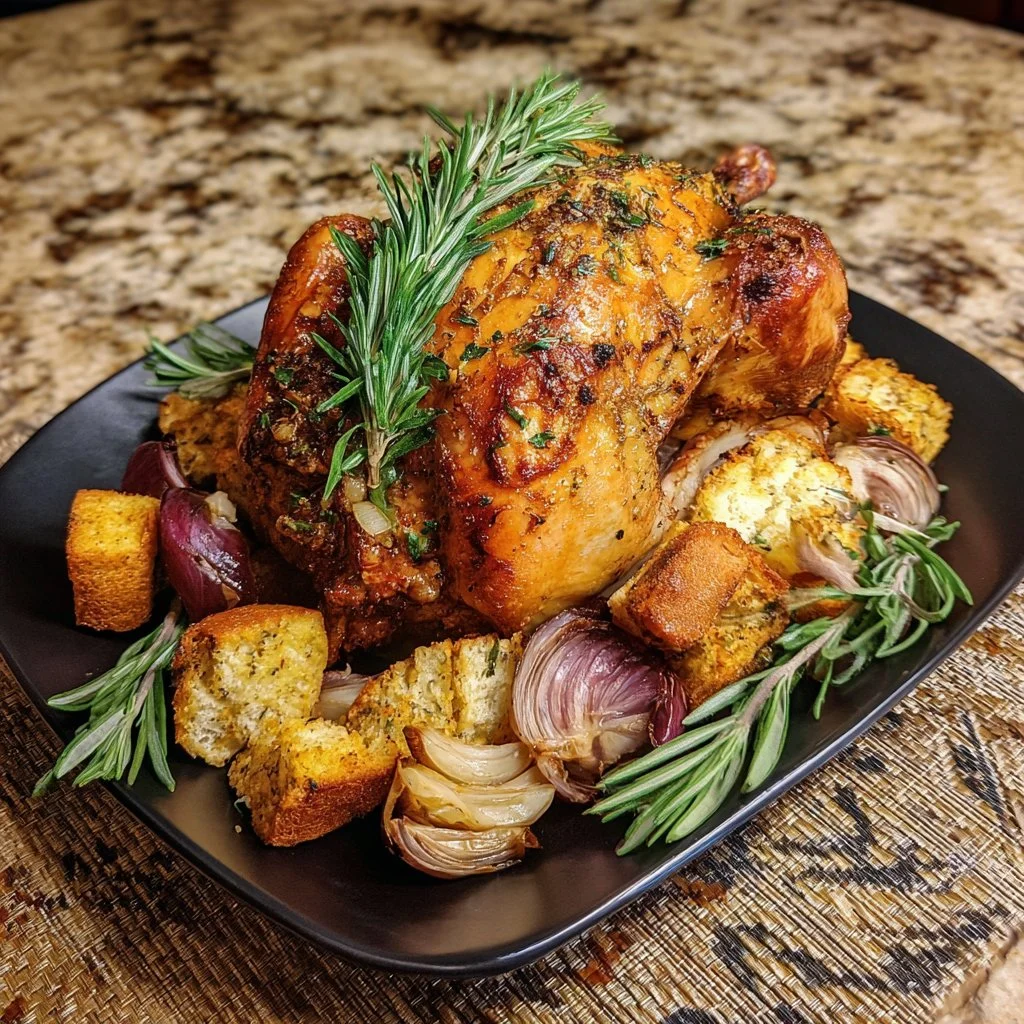
Presentation matters greatly at Thanksgiving. When it comes time to serve, carve the turkey with a sharp knife to create neat slices. Arrange the slices artfully on a large platter, embellishing it with fresh herbs to enhance visual appeal.
Display colorful side dishes around the turkey to create a beautiful, inviting centerpiece. Harvest-inspired decorations, such as small pumpkins or fall foliage, can elevate the table’s aesthetic. Engaging visual presentation celebrates the occasion and shows thoughtfulness behind the meal.
Pairings and Storage
While pairing with beverages is a common thought, focus instead on the selection of delicious side dishes. Mashed potatoes, roasted vegetables, stuffing, and cranberry sauce complement turkey beautifully. Each brings unique flavors and textures, turning the meal into a symphony of tastes.
Storing leftover turkey requires attention to detail. Place cooled turkey slices in airtight containers and refrigerate. They will last up to four days. For longer-term storage, consider freezing portions in sealed bags or containers. This method preserves the turkey for future meals while retaining flavor and moisture.
Experimenting with leftovers can yield fantastic new dishes. Use turkey to create sandwiches, soups, or salads. With a little creativity, every bite of leftover turkey remains delightful long after Thanksgiving.
Conclusion
Thanksgiving turkey holds a unique place in the hearts of many families. From its essential role at the holiday table to the stories and traditions it inspires, turkey resonates deeply. Each preparation turn becomes an opportunity for love, creativity, and shared joy. With thoughtful preparation, and attention to technique, crafting a home-cooked turkey that captivates and nourishes becomes a rewarding endeavor. Whether you stick with classic recipes or explore modern twists, the essence of Thanksgiving remains intact. Celebrate with love, laughter, and the enduring legacy of beautifully roasted turkey.