
📑 Table of Contents ▶
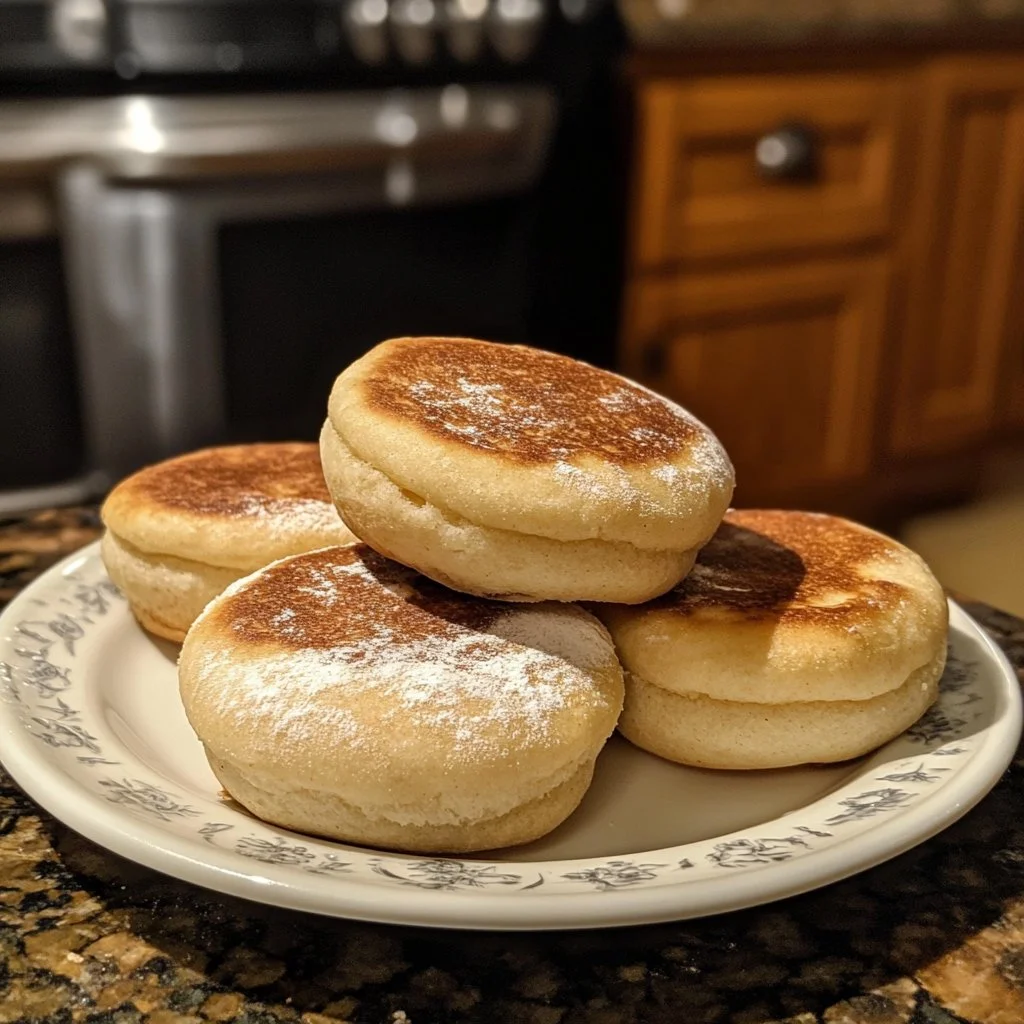
Sourdough English Muffins
The first time I tasted a freshly homemade sourdough English muffin, I knew I had stumbled onto something incredible. The unique flavor and texture danced on my palate, transforming a simple breakfast into a delightful experience. Baking these muffins became a weekend ritual, a moment of joy when I would dust the flour from my hands and watch the dough rise with anticipation.
Crafting sourdough English muffins punctuates my days with a rewarding hands-on experience. The warmth of homemade bread envelops the kitchen, filling it with an aroma that beckons everyone to gather around the table. Each muffin holds a promise of buttery bliss and crispy edges, perfect for toasting. I found that creating this culinary legacy continues to nourish more than my body; it nurtures connections with family and friends.
These sourdough nuggets of joy make every breakfast feel special. Whether topped with jam, avocado, or a simple pat of butter, they elevate any morning. Dive into this recipe, embrace the art of fermentation, and discover how satisfying it is to create warm, comforting, and mouthwatering muffins right at home.
Sourdough English Muffins: The Essentials
Fundamentals
Understanding the fundamentals of sourdough English muffins reveals the art behind creating these beloved breakfast treats. The foundation lies in the sourdough starter, the key to achieving that characteristic tangy flavor. This magical mixture of flour and water evolves over time, capturing wild yeast and bacteria, resulting in a living culture that brings life to your dough.
Next, kneading the dough requires a balance of technique and patience. Proper kneading develops the gluten structure, leading to that fluffy, airy muffin interior. While waiting for the dough to rise may test your patience, that anticipation enhances the satisfaction of the final product. It’s a beautiful process, transforming simple ingredients into something truly extraordinary.
Preparation/Setup
Preparation plays a crucial role in perfecting sourdough English muffins. Gather all necessary ingredients before starting. This includes active sourdough starter, all-purpose flour, water, salt, and a touch of sugar to feed the yeast. Ensuring everything is ready streamlines the process, making it more enjoyable.
Set aside time for both mixing and rising. Typically, the dough requires several hours to rise, and the slow fermentation process enhances flavor and texture. A warm, draft-free area allows the dough to thrive and develop its unique characteristics. Patience pays off in the culinary journey of sourdough English muffins.
Ingredients
- 1 cup active sourdough starter
- 2 cups all-purpose flour
- 3/4 cup water
- 1 teaspoon salt
- 1 tablespoon sugar
- Cornmeal or flour, for dusting
Directions
- In a large bowl, mix the active sourdough starter, water, and sugar until well combined.
- Gradually fold in the flour and salt until a shaggy dough forms.
- Knead on a floured surface for about 10 minutes, or until the dough becomes smooth and elastic.
- Place the kneaded dough into a lightly greased bowl, covering it with a damp towel. Let it rise for 4–6 hours, or until doubled in size.
- After rising, punch down the dough and roll it out to about 1 inch thick. Use a round cutter to cut out muffins and place them on a cornmeal-dusted baking sheet.
- Cover the muffins and let them rest for another hour.
- Preheat a griddle or skillet over medium heat. Cook each muffin for about 5-7 minutes per side, until golden brown and cooked through.
- Allow to cool on a wire rack.
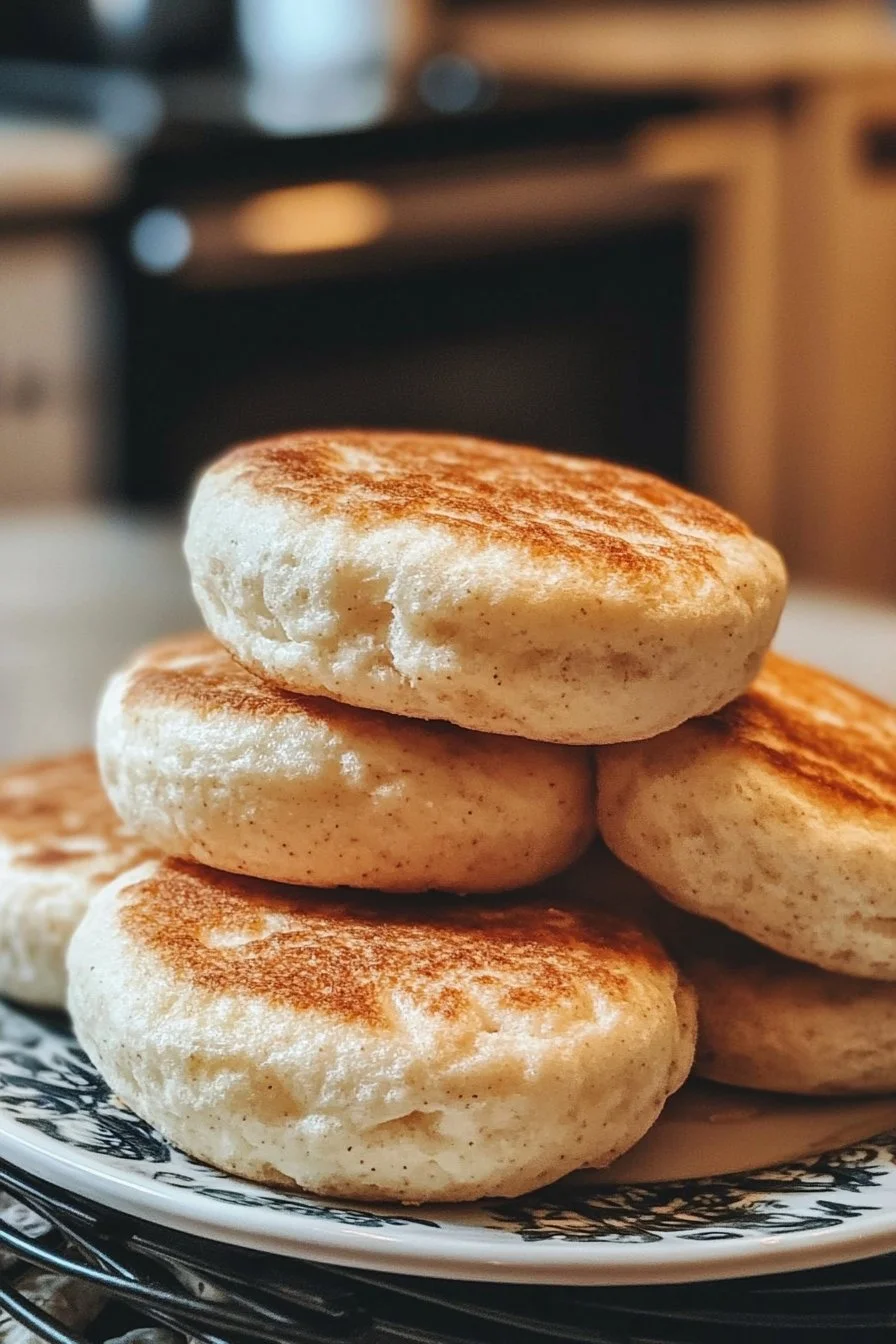
Crafting Your Perfect Sourdough English Muffins
Technique
Mastering the technique of sourdough English muffins hinges on understanding dough hydration. The moisture level directly impacts the final product’s texture. Adjusting the water content slightly can yield a denser or lighter muffin, offering flexibility to suit personal preferences.
Temperature also plays a critical role in fermentation. A warm environment speeds up the process, while cooler surroundings slow it down. Experimenting with different temperatures can help you find the right conditions that produce the best results. Consistency is key, so take note of the temperatures that yield your ideal muffins.
Tips/Tricks
Utilize a trusty thermometer to check doneness while cooking the muffins on the griddle. A perfectly cooked muffin should reach an internal temperature of around 200°F. This step ensures that they’ve cooked through without burning on the outside.
Keep an eye on the first batch. Every stovetop varies, and knowing your equipment helps determine the cooking time. Adjust heat as necessary to achieve the perfect golden brown without overcooking or undercooking.
Perfecting Your Baking Adventure
Perfecting Results
Perfecting sourdough English muffins involves playing with ratios and times. Keep an eye on the dough during its rise; over-proofing can lead to flat muffins. A well-timed dough will produce beautifully risen muffins with an airy crumb.
Experimenting with different flours, like whole wheat or spelt, can subtly alter flavor and texture. Each type offers distinct characteristics, enhancing the muffin experience. Take notes during your baking adventures for future iterations.
Troubleshooting/Variations
If the muffins fail to rise properly, the culprit often lies in the starter’s activity levels. Ensure your sourdough starter is healthy and active before using it. If the muffins turn out denser than desired, consider adjusting the fermentation time or slightly increasing hydration.
Beyond classic recipes, explore variations. Add herbs, spices, or mix-ins like cheese to customize flavors. The beauty of sourdough English muffins lies in their versatility and ability to adapt to personal tastes.
Elevating Your Sourdough English Muffins
Serving/Presentation
Serving sourdough English muffins is an opportunity to get creative. Toast them until golden brown, then spread with butter or your favorite spread. Presentation makes a difference; arrange on a rustic wooden board surrounded by fresh fruit or jams for an inviting breakfast spread.
These muffins are perfect for brunch gatherings, served alongside fresh salads or hearty soups. Enjoy them not just as breakfast but as versatile sides that complement a range of meals throughout the day.
Pairings/Storage
Store leftover sourdough English muffins in an airtight container at room temperature for a couple of days. For longer storage, freeze them. Thaw and toast when ready to enjoy for an easy breakfast option that tastes freshly baked.
Pair them with an assortment of toppings. Cream cheese, avocado, or your favorite nut butter all offer delightful contrasts to the muffin’s textures. Create a gourmet breakfast by adding fresh produce or deli meats for a satisfying meal anytime.
Sourdough English muffins capture the essence of homemade baking—a delightful blend of flavors, textures, and experiences. Each batch offers the perfect canvas for creativity in the kitchen. Enjoy this journey and watch your skills rise, just like the dough!
Print
Sourdough English Muffins
- Prep Time: 15 minutes
- Cook Time: 30 minutes
- Total Time: 45 minutes
- Yield: 6 muffins
- Category: Breakfast
- Method: Baking
- Cuisine: American
- Diet: Vegetarian
Description
Delicious homemade sourdough English muffins with a crispy exterior and a fluffy interior, perfect for toasting and topping.
Ingredients
- 1 cup active sourdough starter
- 2 cups all-purpose flour
- 3/4 cup water
- 1 teaspoon salt
- 1 tablespoon sugar
- Cornmeal or flour, for dusting
Instructions
- In a large bowl, mix the active sourdough starter, water, and sugar until well combined.
- Gradually fold in the flour and salt until a shaggy dough forms.
- Knead on a floured surface for about 10 minutes, or until the dough becomes smooth and elastic.
- Place the kneaded dough into a lightly greased bowl, covering it with a damp towel. Let it rise for 4–6 hours, or until doubled in size.
- After rising, punch down the dough and roll it out to about 1 inch thick. Use a round cutter to cut out muffins and place them on a cornmeal-dusted baking sheet.
- Cover the muffins and let them rest for another hour.
- Preheat a griddle or skillet over medium heat. Cook each muffin for about 5-7 minutes per side, until golden brown and cooked through.
- Allow to cool on a wire rack.
Notes
Keep an eye on the first batch, as cooking time may vary depending on stovetop equipment. A perfectly cooked muffin should reach an internal temperature of around 200°F.