
📑 Table of Contents ▶
- Understanding the Basics of Simple Sautéed Cabbage
- Fundamentals
- Preparation/Setup
- Directions
- Mastering Techniques in Simple Sautéed Cabbage
- Technique
- Tips/Tricks
- Perfecting Your Simple Sautéed Cabbage
- Perfecting Results
- Troubleshooting/Variations
- Serving and Storing Simple Sautéed Cabbage
- Serving/Presentation
- Pairings/Storage
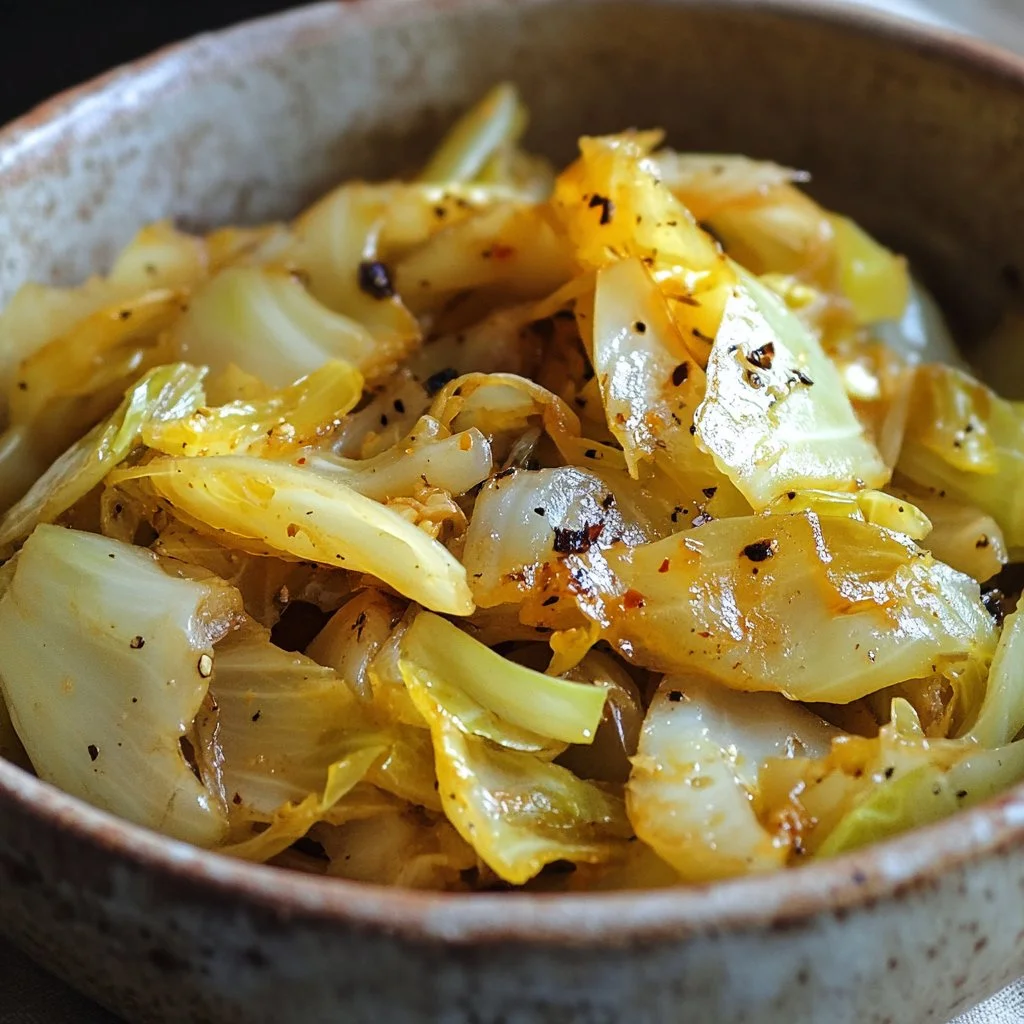
Simple Sautéed Cabbage
The aroma of sautéed cabbage wafted through the air as my grandmother prepared her beloved dish. That warm kitchen felt like home, filled with laughter and stories shared around the dinner table. My family holds a deep connection to simple ingredients that celebrate not just flavor, but togetherness. Sautéed cabbage has been a cornerstone of our meals, transforming humble cabbage into something unforgettable.
Cooking cabbage this way brings out its natural sweetness while ensuring a tender yet slightly crisp texture. Whether as a side dish or a main attraction, sautéed cabbage offers a delightful experience. This recipe showcases how a few straightforward ingredients can create magic in your own kitchen.
Join this culinary journey as we uncover the delightful simplicity of sautéed cabbage, a dish that’s easy to prepare and hard to resist. When you bring sautéed cabbage to your table, you not only honor a cherished tradition but also invite everyone to savor the joys of home-cooked comfort.
Understanding the Basics of Simple Sautéed Cabbage
Fundamentals
Sautéing cabbage might seem straightforward, but it requires attention to detail to achieve the perfect balance of flavor and texture. Cabbage serves as the star of this dish, and selecting the right type affects the overall outcome. A medium head of cabbage provides sufficient volume while remaining manageable for most home cooks.
The choice of olive oil plays an essential role in the cooking process, offering a mild yet rich flavor. Minced garlic infuses the oil, creating a delightful aroma that elevates the dish. Mastering the sautéing technique will help to retain the crunchiness of cabbage while simultaneously coaxing out its natural sweetness.
Preparation/Setup
Preparation for sautéed cabbage involves a few simple steps. Begin by shredding the cabbage into thin strips. This technique maximizes surface area, ensuring more even cooking. Don’t fret about perfection; uneven pieces contribute to a rustic charm.
After shredding, gather the other ingredients needed: olive oil, minced garlic, salt, pepper, and optional apple cider vinegar and red pepper flakes. Having everything organized simplifies your cooking experience.
Before diving in, set the stove to medium heat and take out a large skillet. Allow the skillet to warm up properly, which prevents the garlic from burning while mingling with the oil.
Ingredients
The recipe calls for the following ingredients:
- 1 medium head of cabbage, shredded
- 2 tablespoons olive oil
- 2 cloves garlic, minced
- Salt and pepper to taste
- 1 tablespoon apple cider vinegar (optional)
- Red pepper flakes (optional, for heat)
These ingredients shine individually while coming together to create a delicious dish. Always keep your pantry stocked with these basics for any quick meals.
Directions
- Heat the olive oil in a large skillet over medium heat.
- Add the minced garlic and sauté for about 1 minute until fragrant.
- Add the shredded cabbage to the skillet. Stir well to combine with the garlic.
- Cook, stirring occasionally, for about 5-7 minutes until the cabbage is tender but still slightly crisp.
- Season with salt, pepper, and red pepper flakes if using.
- If desired, add apple cider vinegar for a tangy flavor.
- Serve warm as a side dish.
Mastering Techniques in Simple Sautéed Cabbage
Technique
Learning the technique of sautéing cabbage unlocks endless possibilities in the kitchen. Start with your skillet preheated and the olive oil shimmering; this is your cue to add the garlic. Sautéing the garlic until it’s fragrant ensures maximum flavor infusion.
Once the garlic reaches that perfect golden hue, introduce the shredded cabbage. Stir it well to coat each piece with the aromatic oil. The key is cooking over medium heat while occasionally stirring. This method prevents burning while allowing the cabbage to soften gradually.
Cooking it for about 5-7 minutes achieves the ideal texture, where the cabbage remains crisp yet tender. A vital step is to taste during cooking, adjusting seasoning to your preference.
Tips/Tricks
Keep these tips in mind when making sautéed cabbage:
- Don’t overcrowd the skillet. If necessary, sauté in batches to maintain that crispy texture.
- Experiment with seasoning! Adding a dash of red pepper flakes elevates intensity if you enjoy spice.
- For a milder tang, use less apple cider vinegar or omit it completely. This allows the natural sweetness of the cabbage to shine through.
- Pair sautéed cabbage with various proteins for a complete meal.
Embrace experimentation to discover personal favorites. Cooking is as much about creativity as it is about following instructions.
Perfecting Your Simple Sautéed Cabbage
Perfecting Results
Achieving perfection in sautéed cabbage lies in careful attention to timing and temperature. Cooking it just long enough ensures tenderness while avoiding an overly soft texture. With practice, bringing out the best flavors in your cabbage will become second nature.
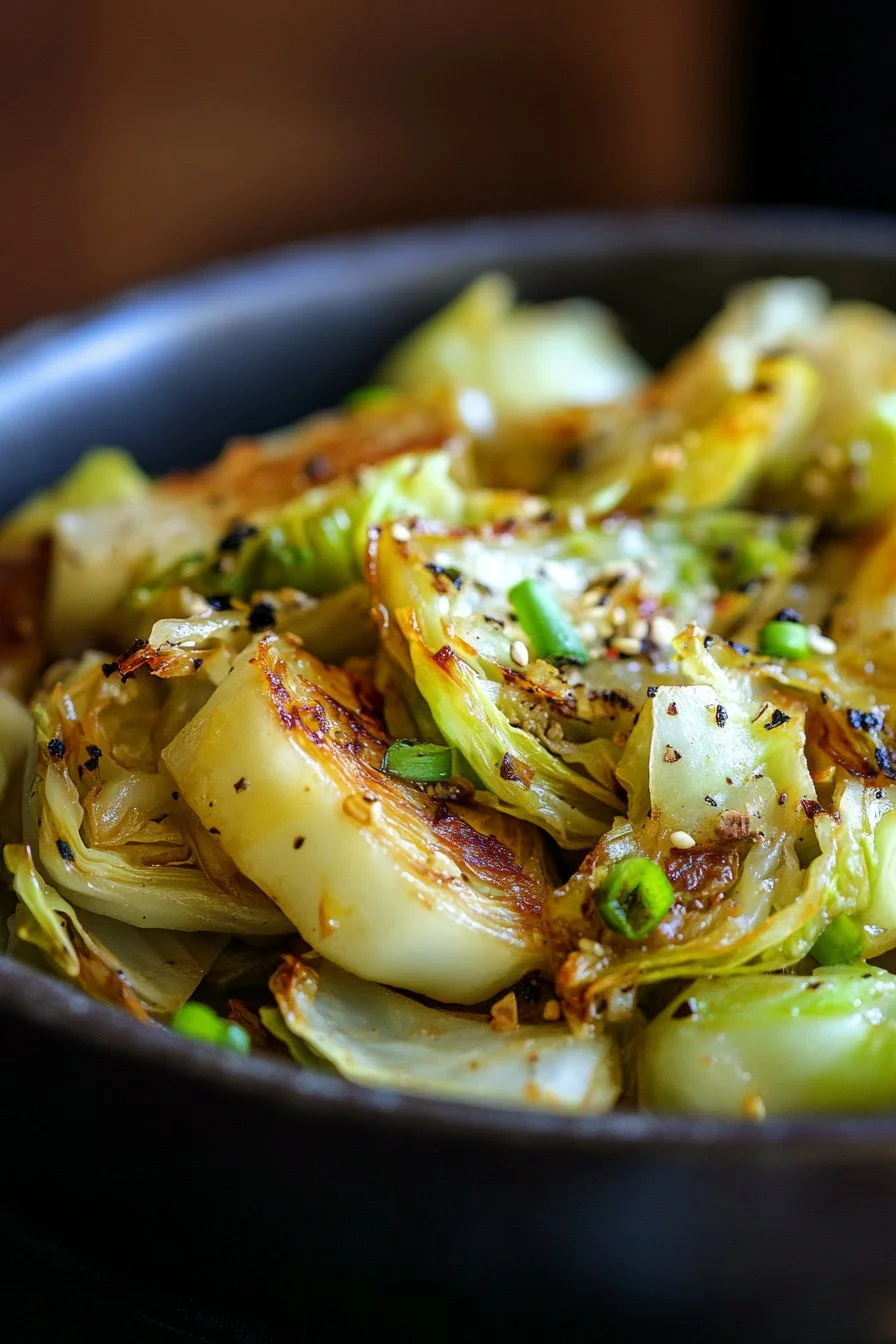
Consider the finish—cabbage should have a slight caramelization for depth of flavor. Adjusting heat throughout the process helps prevent uneven cooking and fiascoes. Also, always season at the right moments; adjusting the seasoning as you go leads to a well-balanced dish that pleases the palate.
Troubleshooting/Variations
Adaptable recipes invite creativity, and sautéed cabbage is no exception. If your cabbage is too soft, consider turning up the heat toward the end for a slightly charred finish.
If you’re looking for flavors beyond traditional garlic and vinegar, consider adding onions or carrots for a sweet note. This variation can provide a colorful and nutritious twist.
Another option is to make the dish heartier by tossing in cooked rice or quinoa before serving. These variations maintain simplicity while enhancing the dish’s appeal.
Serving and Storing Simple Sautéed Cabbage
Serving/Presentation
Presenting sautéed cabbage can enhance the dining experience. A serving on a simple white plate highlights the vibrant colors of the dish. Drizzling a bit of olive oil or sprinkling fresh herbs like parsley or chives can elevate its appearance and flavor.
Serve sautéed cabbage warm to maintain its texture and flavor. This dish makes an excellent accompaniment to various meals, whether paired with grilled chicken or roasted vegetables.
Pairings/Storage
Sautéed cabbage pairs beautifully with diverse flavors but shines best alongside lighter proteins and grains. Think grilled fish or hearty lentil dishes for unexpected harmony.
For storage, keep any leftovers in an airtight container in the refrigerator. Properly stored, sautéed cabbage can last 3-4 days. Reheat gently on the stovetop, adding a splash of olive oil or water to restore the dish’s moisture.
Rediscover simplicity with this classic sautéed cabbage recipe that turns humble ingredients into a memorable meal.
Cooking with love and intention brings families together, marking special moments throughout daily life. The joy of sautéed cabbage is not just in eating but in the experience shared around the table, creating lasting memories with every bite.
Print
Simple Sautéed Cabbage
- Prep Time: 10 minutes
- Cook Time: 10 minutes
- Total Time: 20 minutes
- Yield: 4 servings
- Category: Side Dish
- Method: Sautéing
- Cuisine: American
- Diet: Vegan
Description
A comforting dish of sautéed cabbage that transforms humble ingredients into a delightful experience.
Ingredients
- 1 medium head of cabbage, shredded
- 2 tablespoons olive oil
- 2 cloves garlic, minced
- Salt to taste
- Pepper to taste
- 1 tablespoon apple cider vinegar (optional)
- Red pepper flakes (optional, for heat)
Instructions
- Heat the olive oil in a large skillet over medium heat.
- Add the minced garlic and sauté for about 1 minute until fragrant.
- Add the shredded cabbage to the skillet and stir well to combine with the garlic.
- Cook, stirring occasionally, for about 5-7 minutes until the cabbage is tender but still slightly crisp.
- Season with salt, pepper, and red pepper flakes if using.
- If desired, add apple cider vinegar for a tangy flavor.
- Serve warm as a side dish.
Notes
Don’t overcrowd the skillet; sauté in batches if necessary to maintain crispness. Experiment with seasonings to discover personal favorites.