
📑 Table of Contents ▶
- Part 1 — Flaky Sourdough Pie Crust Fundamentals
- Fundamentals
- Preparation/setup
- Directions
- Part 2 — Mastering Your Flaky Sourdough Pie Crust
- Technique
- Tips/tricks
- Part 3 — Perfecting Your Flaky Sourdough Pie Crust
- Perfecting results
- Troubleshooting/variations
- Part 4 — Enjoying Your Flaky Sourdough Pie Crust
- Serving/presentation
- Pairings/storage
Flaky Sourdough Pie Crust
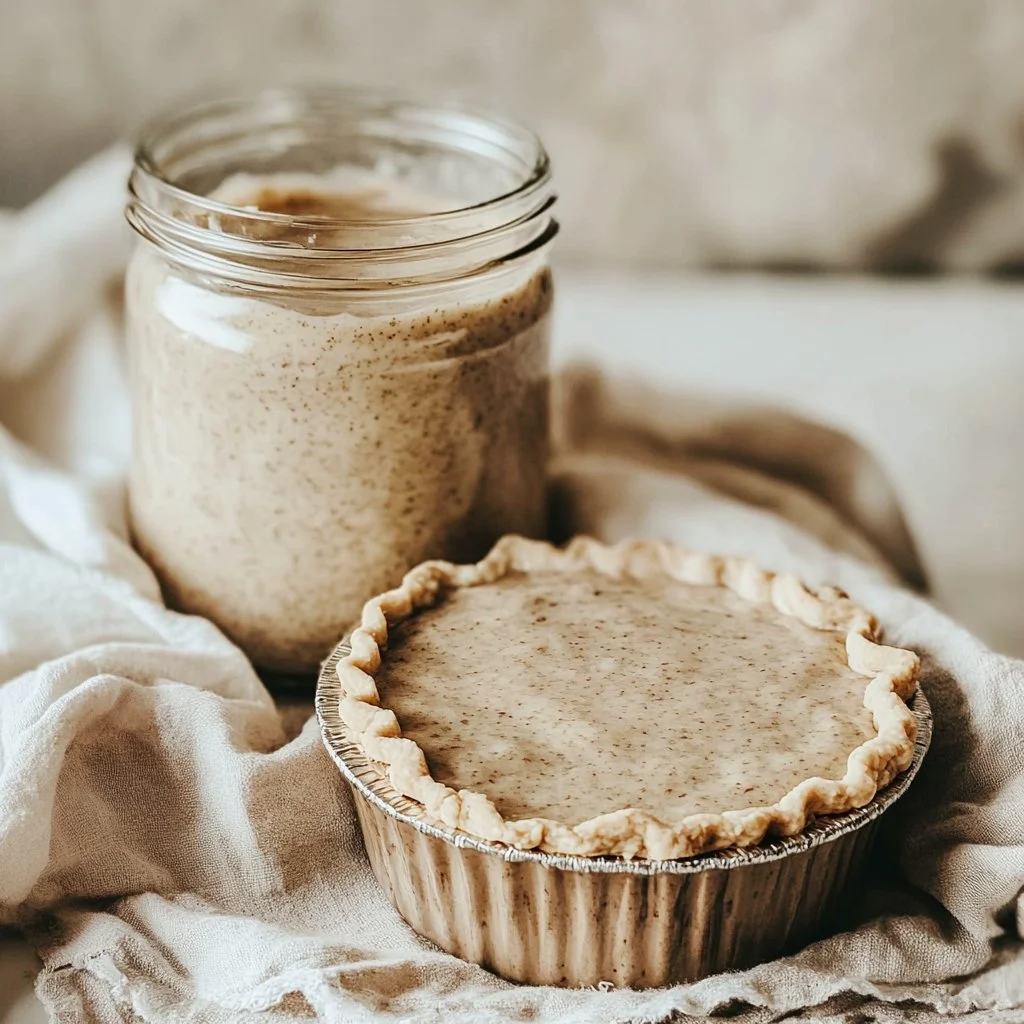
The first time I made a flaky sourdough pie crust, I stood in my kitchen, the warmth of the afternoon sun filtering through the window. I rummaged through my pantry, searching for ingredients, and discovered a nearly full jar of sourdough starter. It sparked a memory of my grandmother’s flaky pastries, her methodical hands folding the dough with care. I felt inspired to create my own version, imagining how the tangy flavor of sourdough could enhance this classic staple.
As I assembled the simple ingredients—flour, salt, sugar, butter, and my sourdough starter—I felt the excitement build. Would this pastry be as light and flaky as I dreamed? With each step, I could almost taste the buttery layers and the perfect crunch. This was about more than just pie crust; it was about reconnecting with family traditions and making something delicious for my loved ones.
A flaky sourdough pie crust is not just a recipe but a way to bring people together. It can elevate any pie, whether savory or sweet, and it’s surprisingly easy to make. In the following sections, I will guide you through the fundamentals of this delightful crust, ensuring you create something special every time.
Part 1 — Flaky Sourdough Pie Crust Fundamentals
Fundamentals
Understanding the components of a flaky sourdough pie crust is crucial. The beauty of this recipe lies in its simplicity. Four core ingredients—flour, salt, sugar, butter, and sourdough starter—come together to create a crust that is far more than the sum of its parts. Each ingredient serves its purpose, contributing to the texture and flavor of the final product.
Flour provides the structure, while salt enhances the overall taste, elevating the other flavors. Sugar adds a hint of sweetness, balancing the tanginess of the sourdough starter. Butter is the secret to that coveted flakiness; it adds richness and moisture. Knowing how to bring these together will determine the success of your crust.
Preparation/setup
Preparing the ingredients is a straightforward process. Start by gathering all components before diving in to ensure a smooth workflow. Measure out 1 ½ cups of all-purpose flour, 1 teaspoon of salt, and 1 tablespoon of sugar. This will form the foundation of your crust.
Next, cold butter is essential for achieving a flaky texture. Cut or grate one cup of cold butter into the dry mixture. Using a food processor or a mixing bowl, combine these ingredients until they resemble coarse crumbs. This step is vital, so take your time to ensure the butter maintains its shape.
Ingredients
To whip up this flaky sourdough pie crust, you’ll need the following:
- 1 ½ cups all-purpose flour
- 1 teaspoon salt
- 1 tablespoon sugar
- 1 cup cold butter
- 1 cup active sourdough starter or sourdough discard
Gather these ingredients, and you will be ready to create a superb pie crust that holds promise for a delicious pie.
Directions
- Add the flour, salt, and sugar to a food processor or a large mixing bowl. Mix to combine.
- Cut or grate the cold butter into the dry ingredients. Mix until you reach a meal consistency with pea-sized pieces of butter.
- Incorporate the sourdough starter and pulse/mix until combined into a ball. Take care not to overmix, as this will melt the butter and cause greasy dough.
- Cut the dough into two equal pieces and shape it into discs. These will serve as your top and bottom crusts.
- Wrap each disc in plastic wrap and chill in the fridge for at least one hour.
- Grease a 9-inch pie plate with nonstick spray or butter and flour.
- Prepare a lightly floured work surface and roll out the pie dough.
- Drape the dough over the pie plate and fit it gently without stretching. Trim around the edges.
- Fold the edge of the dough under so it’s even with the rim of the pie plate, then crimp the edges or press with a fork.
- Add your cooled filling and crimp/seal the edges if making a double-crust pie.
- Bake according to your specific pie recipe.
Part 2 — Mastering Your Flaky Sourdough Pie Crust
Technique
The technique plays a pivotal role when making this flaky sourdough pie crust. The coldness of the butter is a key factor in developing flakiness. As the crust bakes, the butter melts and creates steam, which helps the layers separate, leading to that delightful flaky texture.
When mixing the butter into the flour, aim for visible bits of butter throughout the mixture. This irregularity in size allows for varied textures in the finished crust. It’s important to resist the urge to overwork the dough; doing so will lead to a tough crust instead of a tender one.
Tips/tricks
One trick to ensure perfect flakiness is to chill your tools, such as your mixing bowl and rolling pin. Working with cool tools keeps the butter intact longer during the dough-making process.
Another useful tip is to rotate the dough after a few rolls when spreading it out. This promotes even thickness while preventing sticking. Always roll from the center outward, and be gentle to maintain the delicate texture.
If you’re making this crust ahead of time, you can freeze the discs of dough to use later. Just make sure to wrap them tightly to avoid freezer burn.
Part 3 — Perfecting Your Flaky Sourdough Pie Crust
Perfecting results
Perfecting your flaky sourdough pie crust can take a bit of practice. However, the learning process is immensely rewarding. Pay attention to how the dough looks and feels; it should be slightly tacky but not sticky. If it feels too dry, you can sprinkle a bit of ice water into the mixture to bring it together.
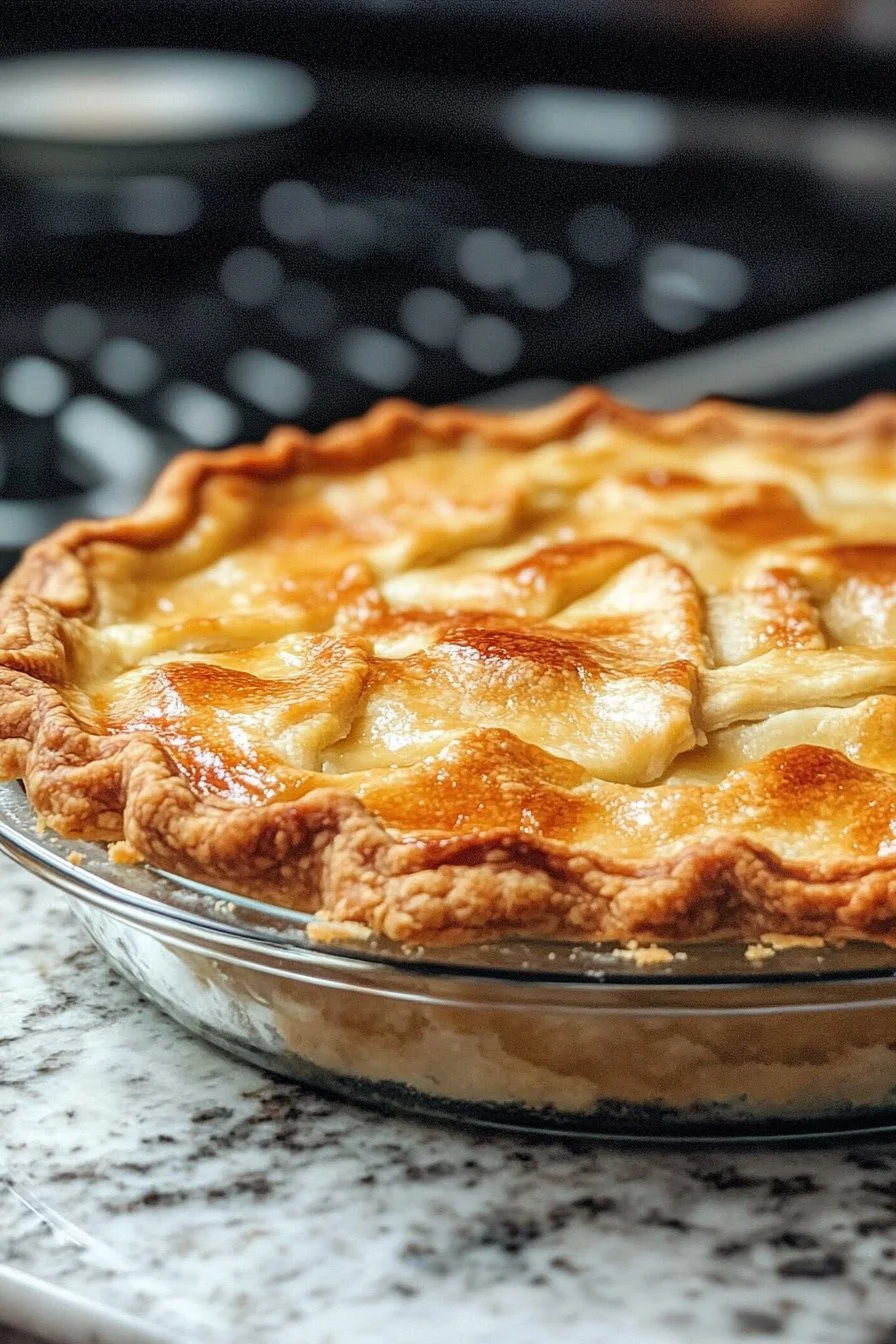
Bake your crust until it turns golden brown, which signals that it’s done. This color not only enhances the visual appeal but also offers a nutty flavor from the toasted flour.
Troubleshooting/variations
While making this pie crust, you may encounter a few common issues. If your crust shrinks during baking, it could be due to overworking the dough or not chilling it long enough. A well-chilled dough tends to hold its shape better.
To add a unique twist, consider incorporating herbs or spices into the dough. Fresh rosemary or thyme can impart fantastic flavors, especially in savory pies.
Part 4 — Enjoying Your Flaky Sourdough Pie Crust
Serving/presentation
Once you’ve successfully baked a pie with your flaky sourdough pie crust, serving it can become a celebratory event. Present the pie on a beautiful platter, allowing the golden crust to shine. Pay attention to how it complements the filling you chose, whether it’s a rich quiche or a sweet fruit pie.
Garnishing with fresh herbs or dusting powdered sugar can elevate the visual impact. Keep in mind that presentation also plays a role in the overall enjoyment of the dish, enhancing the excitement before the first slice.
Pairings/storage
Flaky sourdough pie crust pairs wonderfully with a variety of fillings. Whether you opt for sweet fruit combinations or savory vegetables, the crust holds its own while enhancing flavor.
For storage, keep any leftover pie slices in an airtight container in the refrigerator for up to three days. If you freeze the crust before baking, it can last for up to three months. Just make sure to label and date it for future use.
Creating a flaky sourdough pie crust can become a cherished tradition in your home. Each bite of that crunchy, flavorful pastry brings with it memories of family and warmth, setting the stage for many enjoyable occasions. Enjoy the baking process and the delightful results it brings.
Print
Flaky Sourdough Pie Crust
- Prep Time: 15 minutes
- Cook Time: 60 minutes
- Total Time: 75 minutes
- Yield: 2 crusts
- Category: Dessert
- Method: Baking
- Cuisine: American
- Diet: Vegetarian
Description
A tender and flaky sourdough pie crust that enhances both sweet and savory pies with its rich, buttery flavor.
Ingredients
- 1 ½ cups all-purpose flour
- 1 teaspoon salt
- 1 tablespoon sugar
- 1 cup cold butter
- 1 cup active sourdough starter or sourdough discard
Instructions
- Add the flour, salt, and sugar to a food processor or a large mixing bowl. Mix to combine.
- Cut or grate the cold butter into the dry ingredients. Mix until you reach a meal consistency with pea-sized pieces of butter.
- Incorporate the sourdough starter and pulse/mix until combined into a ball. Take care not to overmix.
- Cut the dough into two equal pieces and shape them into discs.
- Wrap each disc in plastic wrap and chill in the fridge for at least one hour.
- Grease a 9-inch pie plate with nonstick spray or butter and flour.
- Prepare a lightly floured work surface and roll out the pie dough.
- Drape the dough over the pie plate and fit it gently without stretching. Trim around the edges.
- Fold the edge of the dough under so it’s even with the rim of the pie plate, then crimp the edges or press with a fork.
- Add your cooled filling and crimp/seal the edges if making a double-crust pie.
- Bake according to your specific pie recipe.
Notes
For extra flakiness, chill your tools and the dough. You can freeze the discs of dough for up to three months.