
📑 Table of Contents ▶
- The Basics of Chinese Hot & Sour Soup
- Fundamentals
- Preparation/Setup
- Directions
- Crafting the Perfect Bowl of Chinese Hot & Sour Soup
- Technique
- Tips and Tricks
- Perfecting Your Hot & Sour Soup
- Perfecting Results
- Troubleshooting and Variations
- Serving and Enjoying Chinese Hot & Sour Soup
- Serving and Presentation
- Pairings and Storage
- Chinese Hot & Sour Soup
Chinese Hot & Sour Soup
The warmth of Chinese hot and sour soup evokes fond memories of family gatherings during the chilly months. Every winter, my family would sit together, sharing laughs and stories around a steaming bowl of this comforting dish. The balance of flavors captivated everyone around the table—zesty, spicy, and savory, how could you resist?
I can remember my grandmother meticulously preparing each ingredient, ensuring that the tofu was the perfect firmness, the mushrooms were just right, and that the broth had the right tang. The simple ritual of simmering the broth filled our home with a delicious aroma that invited all of us into the kitchen. Cooking this soup became a bonding experience, as we all helped taste-test and add our favorite ingredients.
Crafting Chinese hot and sour soup at home encapsulates those cherished moments. Each spoonful transports me back to the kitchen, where laughter mingled with the sizzle of garlic and the fresh crunch of green onions. More importantly, it reminds me of bringing family together, making good food an integral part of our lives.
Let’s explore the fundamentals, techniques, and tips to create that magical bowl of Chinese hot and sour soup, allowing anyone to experience this comforting dish right at home.
The Basics of Chinese Hot & Sour Soup
Fundamentals
Chinese hot and sour soup stands out due to its unique combination of flavors and textures. At its core, this dish features a harmonious blend of spicy and tangy notes, achieved through key ingredients. Each component plays a vital role in building the depth of flavor. Vegetable broth forms the foundation, infusing everything with a rich, savory base. Shiitake mushrooms contribute umami goodness, while firm tofu offers a satisfying and nourishing protein source.
Carrots add a delightful crunch, creating a contrast to the silkiness of the broth. The soup derives its signature hot and sour characteristics from the careful balance of garlic, soy sauce, rice vinegar, and white pepper. Together, these elements create an unforgettable culinary experience.
Preparation/Setup
Begin by gathering all ingredients to streamline the cooking process. Having everything prepped and ready makes crafting your hot and sour soup efficient and enjoyable. Make sure to thinly slice the tofu and mushrooms, julienne the carrot, and chop the green onions. Mince the garlic finely, as it releases powerful flavors when sautéed.
When ready, set a saucepan over medium heat and pour in the vegetable broth. Monitoring the heat ensures that the broth simmers gently, allowing all the flavors to meld beautifully without burning any of the ingredients. Keep a whisk or spoon handy for stirring in ingredients like the cornstarch slurry, allowing the soup to thicken properly as you go.
Ingredients
Gather these essential ingredients for your Chinese hot and sour soup:
- 4 cups Vegetable Broth
- 1 cup Firm Tofu, thinly sliced
- 1 cup Shiitake Mushrooms (or wood ear), sliced
- 1 small Carrot, julienned
- 2 stalks Green Onion, chopped
- 3 cloves Garlic, minced
- 3 tablespoons Soy Sauce
- 2 tablespoons Rice Vinegar
- 1 teaspoon White Pepper
- 2 tablespoons Cornstarch mixed with 3 tablespoons Water
- 2 Eggs, beaten
- 1 teaspoon Sesame Oil
- Salt to taste
Directions
- Set a saucepan over medium heat and pour in the vegetable broth.
- Add garlic, mushrooms, carrots, and tofu to the broth. Let it simmer for 5–7 minutes.
- Stir in soy sauce, rice vinegar, and white pepper. Taste and adjust for your ideal sour and spice level.
- Slowly pour in the cornstarch slurry while stirring continuously until the soup thickens.
- Reduce heat to low. Gently drizzle the beaten eggs into the soup in a slow stream while stirring in a circular motion to form ribbons.
- Add sesame oil and green onions. Let sit for 1–2 minutes off heat.
- Ladle into bowls and serve hot with optional chili oil or extra vinegar on the side.
Crafting the Perfect Bowl of Chinese Hot & Sour Soup
Technique
Achieving the perfect consistency for your Chinese hot and sour soup depends on the technique employed during cooking. Start by ensuring that you simmer the broth gently. Rapid boiling can lead to an overly cloudy soup that masks the delicate flavors. Instead, allow the ingredients to mingle harmoniously over medium heat.
Stir the soup frequently, especially when gradually adding the cornstarch slurry. This method prevents lumps from forming and ensures an even thickness throughout. When incorporating the beaten eggs, drizzle them in slowly while stirring consistently to create beautiful egg ribbons. This technique showcases the dish’s traditional aspects while enhancing its inviting texture.
Tips and Tricks
To enhance your soup’s flavor, consider these tips:
- Seasoning Balance: Always taste the broth after adding soy sauce and vinegar. The balance of flavors should be tailored to your preferences. Adjust the sourness and spice levels accordingly.
- Ingredient Variations: Feel free to experiment with various vegetables or mushrooms for added texture. Bok choy or bell peppers can complement the recipe nicely.
- Preparation Efficiency: Mincing garlic and chopping vegetables in advance can save time when preparing the soup. It also allows the flavors to infuse better.
- Store Leftovers Wisely: If you have leftovers, store the soup in an airtight container without the green onions or egg ribbons. Add these fresh when reheating to maintain texture.
Perfecting Your Hot & Sour Soup
Perfecting Results
The key to a superb Chinese hot and sour soup lies in the balance of ingredients. Monitoring the simmering time is crucial for achieving tender mushrooms and perfectly cooked tofu. Both elements should retain their shape and not become soggy.
If the soup seems too thick, adjust with a little more vegetable broth or water, gradually adding until you reach your desired consistency. Conversely, if too thin, another splash of cornstarch slurry will help thicken it again.
Experiment with spices and flavors for a uniquely personal twist. A dash of chili flakes or fresh cilantro can elevate the dish and bring out even more depth of flavor.
Troubleshooting and Variations
Not every soup goes perfectly according to plan, but troubleshooting can help resolve common issues:
- Too Sour? Add a pinch of sugar or honey to tone down the acidity from the vinegar.
- Too Spicy? If the heat level hits unexpectedly high, a touch of coconut sugar or additional vegetable broth can help temper it.
- Lack of Flavor? Revisit the balance of garlic, soy sauce, and white pepper. Sometimes, a bit more seasoning can work wonders.
Additionally, you can explore various ways to customize your soup. Adding bamboo shoots or water chestnuts can contribute crunchiness. For those who enjoy heat, layering in extra chili oil or fresh chilies can up the fun factor.
Serving and Enjoying Chinese Hot & Sour Soup
Serving and Presentation
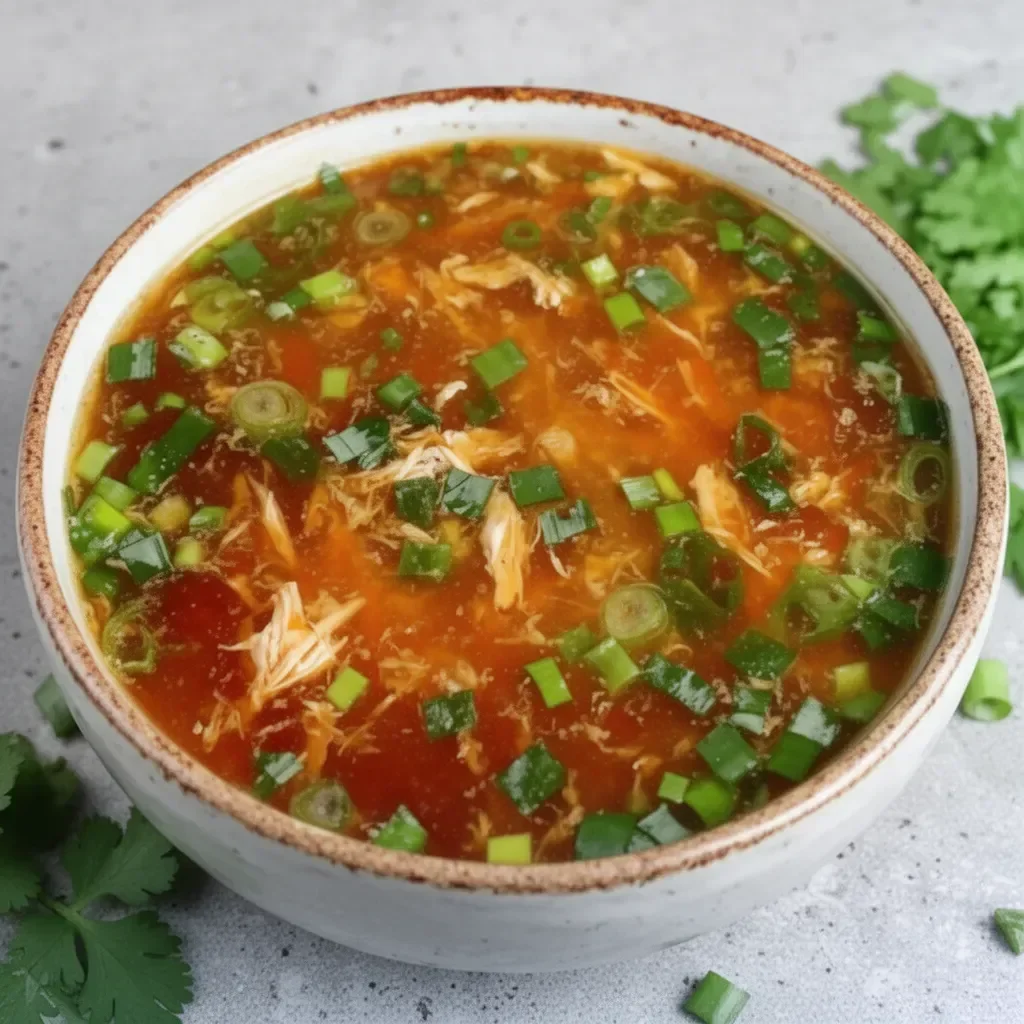
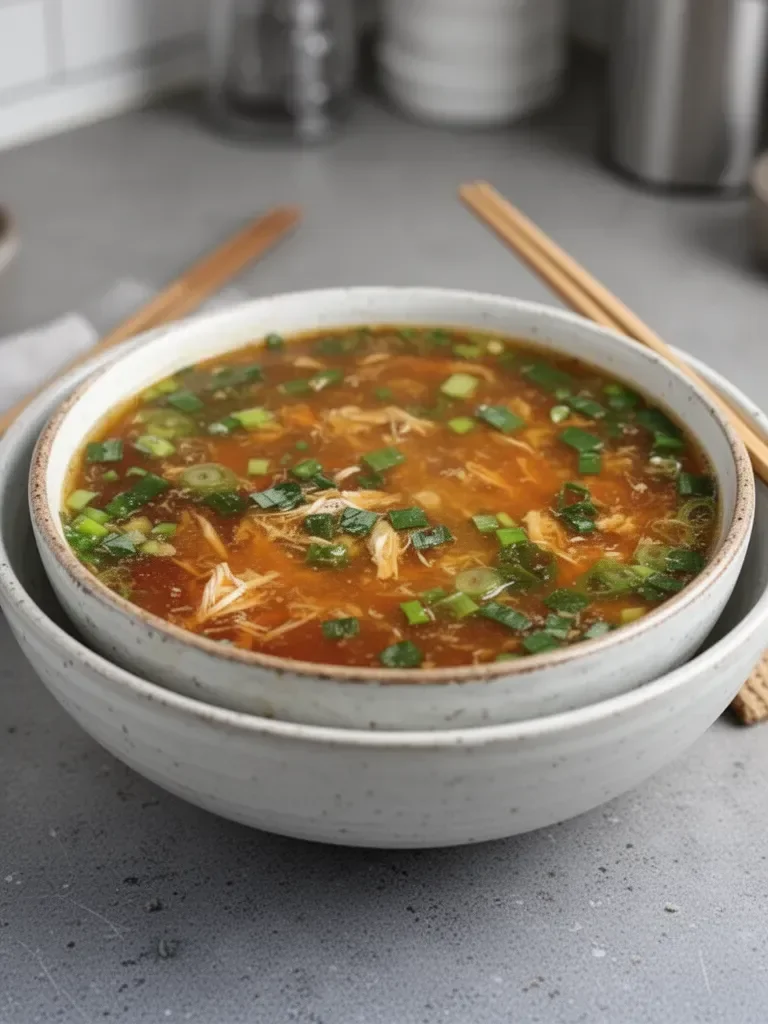
Serve hot and sour soup in charming bowls that showcase its rich color and inviting aromas. Ladle the soup generously, aiming for an equal distribution of vegetables, tofu, and those iconic egg ribbons. Garnish with fresh green onions and possibly extra sesame oil to entice the senses.
Presentation should aim to excite the palate, enticing diners to dig in immediately. A side of chili oil or soy sauce can enhance personal preferences, allowing guests to spice things up as they desire.
Pairings and Storage
While enjoying your hot and sour soup, consider pairing it with steamed rice or crispy spring rolls for a delightful meal. These complementary dishes add delightful textures and flavors that harmonize beautifully.
When it comes to storage, store any leftovers in airtight containers in the fridge for up to three days. Reheat on the stove over low heat, stirring frequently to maintain an even temperature. Avoid reheating too quickly, which can lead to unwanted texture changes in the tofu and vegetables.
Hot and sour soup encapsulates a flavorsome journey that brings together culinary traditions and familial bonds, allowing everyone to share memorable moments around the table.
This classic recipe truly highlights the comforting essence of Asian cuisine. Enjoy making your version and watch how it brings a little warmth to your day.
Print
Chinese Hot & Sour Soup
- Prep Time: 15 minutes
- Cook Time: 15 minutes
- Total Time: 30 minutes
- Yield: 4 servings
- Category: Soup
- Method: Simmering
- Cuisine: Chinese
- Diet: Vegetarian
Description
A comforting and flavorful combination of spicy, tangy, and savory notes, perfect for family gatherings during chilly months.
Ingredients
- 4 cups Vegetable Broth
- 1 cup Firm Tofu, thinly sliced
- 1 cup Shiitake Mushrooms (or wood ear), sliced
- 1 small Carrot, julienned
- 2 stalks Green Onion, chopped
- 3 cloves Garlic, minced
- 3 tablespoons Soy Sauce
- 2 tablespoons Rice Vinegar
- 1 teaspoon White Pepper
- 2 tablespoons Cornstarch mixed with 3 tablespoons Water
- 2 Eggs, beaten
- 1 teaspoon Sesame Oil
- Salt to taste
Instructions
- Set a saucepan over medium heat and pour in the vegetable broth.
- Add garlic, mushrooms, carrots, and tofu to the broth. Let it simmer for 5–7 minutes.
- Stir in soy sauce, rice vinegar, and white pepper. Taste and adjust for your ideal sour and spice level.
- Slowly pour in the cornstarch slurry while stirring continuously until the soup thickens.
- Reduce heat to low. Gently drizzle the beaten eggs into the soup in a slow stream while stirring in a circular motion to form ribbons.
- Add sesame oil and green onions. Let sit for 1–2 minutes off heat.
- Ladle into bowls and serve hot with optional chili oil or extra vinegar on the side.
Notes
Store leftovers in an airtight container without the green onions or egg ribbons. Add these fresh when reheating.