
📑 Table of Contents ▶
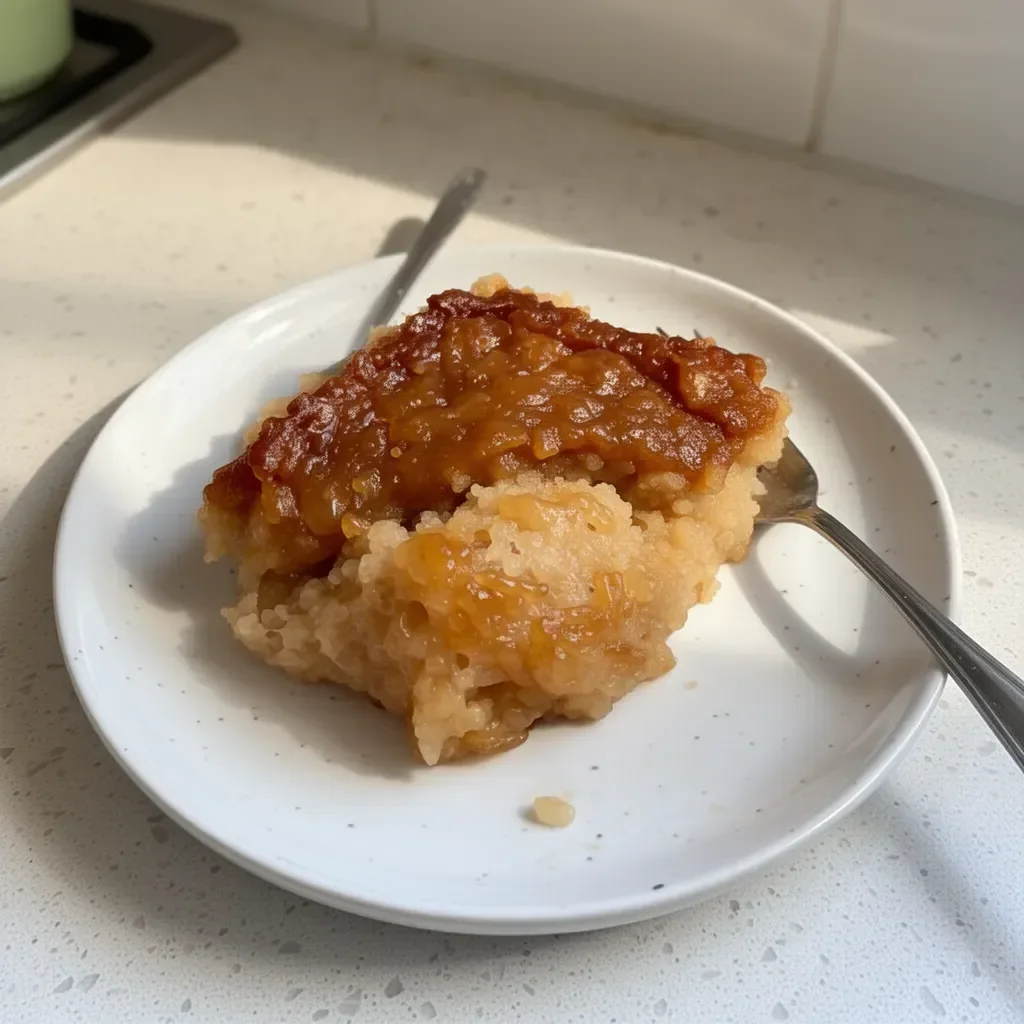
A cherished memory revolves around family gatherings and the delightful aroma of freshly cooked Biko wafting through the air. Growing up, my grandmother would prepare this sweet, sticky rice dessert during special occasions. The combination of glutinous rice and coconut milk always created a warm and inviting atmosphere. Friends and family would eagerly await their turn to experience the gooey sweetness of this Filipino delicacy, made even more special by her loving preparation.
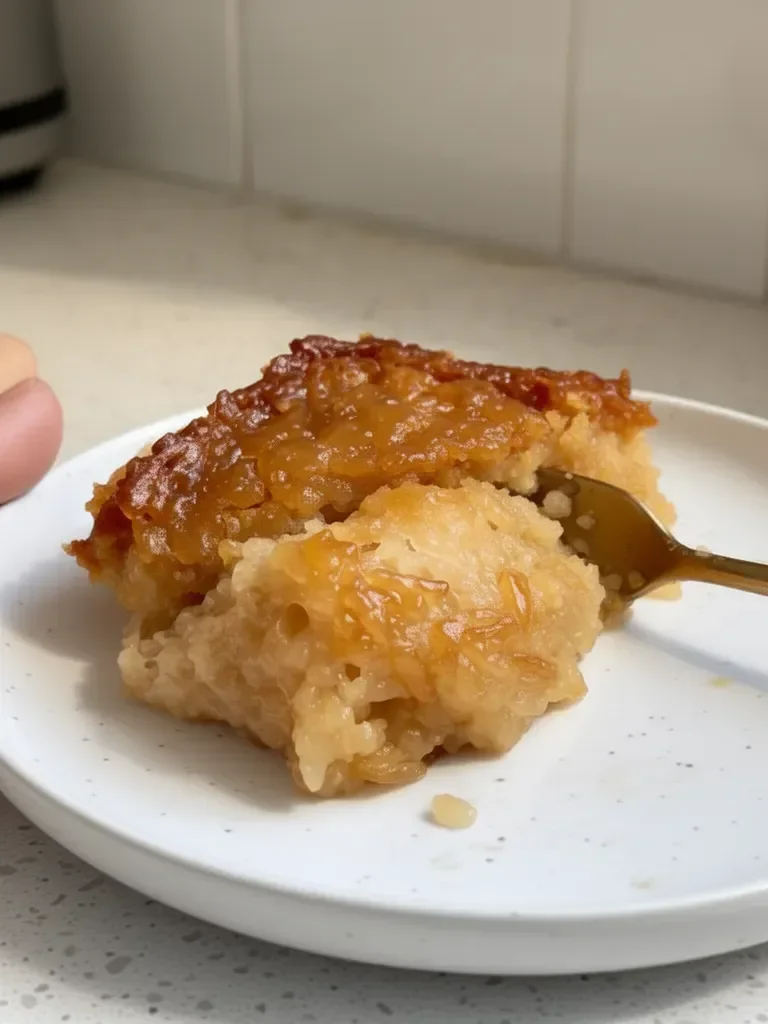
Biko holds a special place across generations, often leading to cherished moments filled with laughter, storytelling, and, of course, dessert. This beloved treat embodies comfort, showcasing the beauty of simple ingredients that, when combined, create something wonderful. With its delightful texture and rich flavor, Biko delights taste buds and nurtures family bonds.
Let’s delve into the fundamentals of making this delicious dessert at home. With just a few pantry staples, you can whip up a batch of Biko that’ll transport you straight to those joyful memories and create new ones along the way.
The Basics of Biko
Fundamentals
Biko is a traditional Filipino dessert made primarily from glutinous rice, coconut milk, and brown sugar. The rich, creamy texture of the coconut milk combined with the sweetness from the brown sugar creates a flavorful experience. Each bite offers a unique blend of chewy rice and the luscious taste of coconut. This delightful treat is a staple at feasts, festivals, and family gatherings.
Glutinous rice is essential in this recipe, as it provides the characteristic sticky texture. Coconut milk adds a creamy richness that complements the sweetness of the brown sugar. The addition of salt enhances the flavors without overwhelming the sweetness. Even without advanced culinary skills, anyone can successfully create Biko in their own kitchen.
Preparation/Setup
Prior to cooking, prepare your glutinous rice by rinsing it thoroughly in cold water. This step ensures that the grains remain separate, allowing for an ideal texture. Soaking the rice for at least two hours softens the grains, making the subsequent cooking process much smoother. Once the rice has soaked, drain it well to remove excess water.
Gather the necessary cooking equipment, including a sturdy pot to mix the ingredients and a baking dish if you plan to serve it in squares. This setup is important to streamline the cooking process. Ensure that you have all ingredients within reach, as it’s easy to get distracted when creating this sweeter side dish.
Ingredients
- 2 cups glutinous rice
- 2 cups coconut milk
- 1 cup brown sugar
- 1/2 teaspoon salt
- 1 cup water
- Banana leaves (optional, for lining)
Directions
-
Rinse the glutinous rice under cold water until the water runs clear. Soak the rice in water for at least 2 hours, then drain.
-
In a pot, combine the drained rice and coconut milk. Add the water and cook over medium heat, stirring occasionally, until the rice is cooked and the mixture is thickened. This should take about 30-40 minutes.
-
Once the rice is cooked, add the brown sugar and salt, mixing well until fully incorporated.
-
If using, line a baking dish with banana leaves. Pour the mixture into the dish and spread it evenly.
-
Allow it to cool and set before cutting into squares or rectangles.
-
Serve and enjoy your homemade Biko!
Mastering the Art of Making Biko
Technique
Cooking Biko requires a bit of patience but can be incredibly rewarding. The key to achieving the perfect consistency lies in controlling the heat when cooking. Stir the mixture often to prevent it from sticking to the bottom of the pot. This ensures even cooking and prevents burning. Don’t rush the process; give it the 30-40 minutes needed for the rice to seamlessly meld with the coconut milk.
When adding the brown sugar and salt, make sure to mix thoroughly. This step is crucial because it enhances the overall flavor of the dish. Taste testing at this stage allows you to adjust the sweetness, ensuring your Biko suits your palate perfectly.
Tips/Tricks
Ensure your rice is well-soaked before starting the cooking process. The soaking period not only makes the rice softer but also affects the final texture of the Biko. Working with high-quality coconut milk leads to a creamier result, enhancing the overall experience. You can also experiment with different sweeteners if you want to adjust flavors.
Using banana leaves to line your baking dish adds authenticity to the dish. It brings a subtle aroma and festive feel. If banana leaves aren’t available, a well-greased dish works just as well.
Perfecting Your Biko
Perfecting Results
Variations in cooking methods may lead to different textures. If your Biko turns out too dry or crumbly, you may need to adjust the ratio of coconut milk to rice. Adding a bit more coconut milk can help achieve that creamy, sticky consistency. On the other hand, if it turns too wet, allow it to cook a little longer without the lid to evaporate excess moisture.
Experimenting with different raw sugar types can also yield interesting results. For a more caramelized flavor, consider using darker sugars or blending in a bit of brown sugar with less conventional sweeteners. The outcome can surprise you in delightful ways.
Troubleshooting/Variations
In some cases, the rice might take longer to cook than expected. If that occurs, simply continue to cook it over medium heat until the desired thickness forms. Having patience during this time can lead to better results. If you’re feeling adventurous, consider adding toppings such as toasted sesame seeds or coconut flakes once the Biko is set.
If you’re planning to make a large batch for an event, Biko can be stored in an airtight container in the refrigerator for about a week. This delightful dessert retains its quality and flavor, making it a perfect addition to any dessert table.
Serving Biko
Serving/Presentation
Serving Biko can be a delightful experience. Cut the cooled mixture into squares or rectangles and arrange them on a plate. The richness of the sweet rice dessert calls for simple garnishes. A sprinkling of toasted coconut flakes on top adds a nice touch while enhancing the visual appeal.
Consider displaying the Biko on banana leaves for an authentic Filipino vibe. Not only does this elevate the presentation, but it also enriches the cultural experience associated with the dish.
Pairings/Storage
Biko pairs beautifully with fresh tropical fruits, such as mango or pineapple. Their natural tartness complements the sweetness of the dessert, creating a delightful balance. For those who enjoy a heavier finish, a scoop of coconut ice cream may add another layer of flavor.
For storage, carefully wrap leftovers in plastic wrap or transfer them into an airtight container. Biko can be refrigerated for up to a week. To enjoy the dessert, simply reheat portions in the microwave.
With these insights and tips, making Biko transforms from just a recipe into a fulfilling experience, connecting past memories with new ones.
The sense of nostalgia that accompanies each bite offers more than just sweetness; it serves as a reminder of tradition, family, and connection. Embrace this culinary journey to create a beautiful dish that resonates with warmth and delight.
Print
Biko
- Prep Time: 120 minutes
- Cook Time: 40 minutes
- Total Time: 160 minutes
- Yield: 8 servings
- Category: Dessert
- Method: Stovetop
- Cuisine: Filipino
- Diet: Vegetarian
Description
A traditional Filipino sweet sticky rice dessert made with glutinous rice, coconut milk, and brown sugar, perfect for family gatherings.
Ingredients
- 2 cups glutinous rice
- 2 cups coconut milk
- 1 cup brown sugar
- 1/2 teaspoon salt
- 1 cup water
- Banana leaves (optional, for lining)
Instructions
- Rinse the glutinous rice under cold water until the water runs clear. Soak the rice in water for at least 2 hours, then drain.
- Combine the drained rice and coconut milk in a pot. Add the water and cook over medium heat, stirring occasionally, until the rice is cooked and the mixture is thickened, about 30-40 minutes.
- Add the brown sugar and salt, mixing well until fully incorporated.
- Line a baking dish with banana leaves if using. Pour the mixture into the dish and spread it evenly.
- Allow it to cool and set before cutting into squares or rectangles.
- Serve and enjoy your homemade Biko!
Notes
Using high-quality coconut milk leads to a creamier Biko. Experiment with different sweeteners to adjust flavors to your liking.