
📑 Table of Contents ▶
- Amish White Bread: A Traditional Comfort
- Fundamentals
- Preparation/setup
- Directions
- Crafting the Perfect Amish White Bread
- Technique
- Tips/tricks
- Perfecting Your Amish White Bread
- Perfecting results
- Troubleshooting/variations
- Serving Your Amish White Bread Delight
- Serving/presentation
- Pairings/storage
- Conclusion
- Amish White Bread
Amish White Bread Recipe
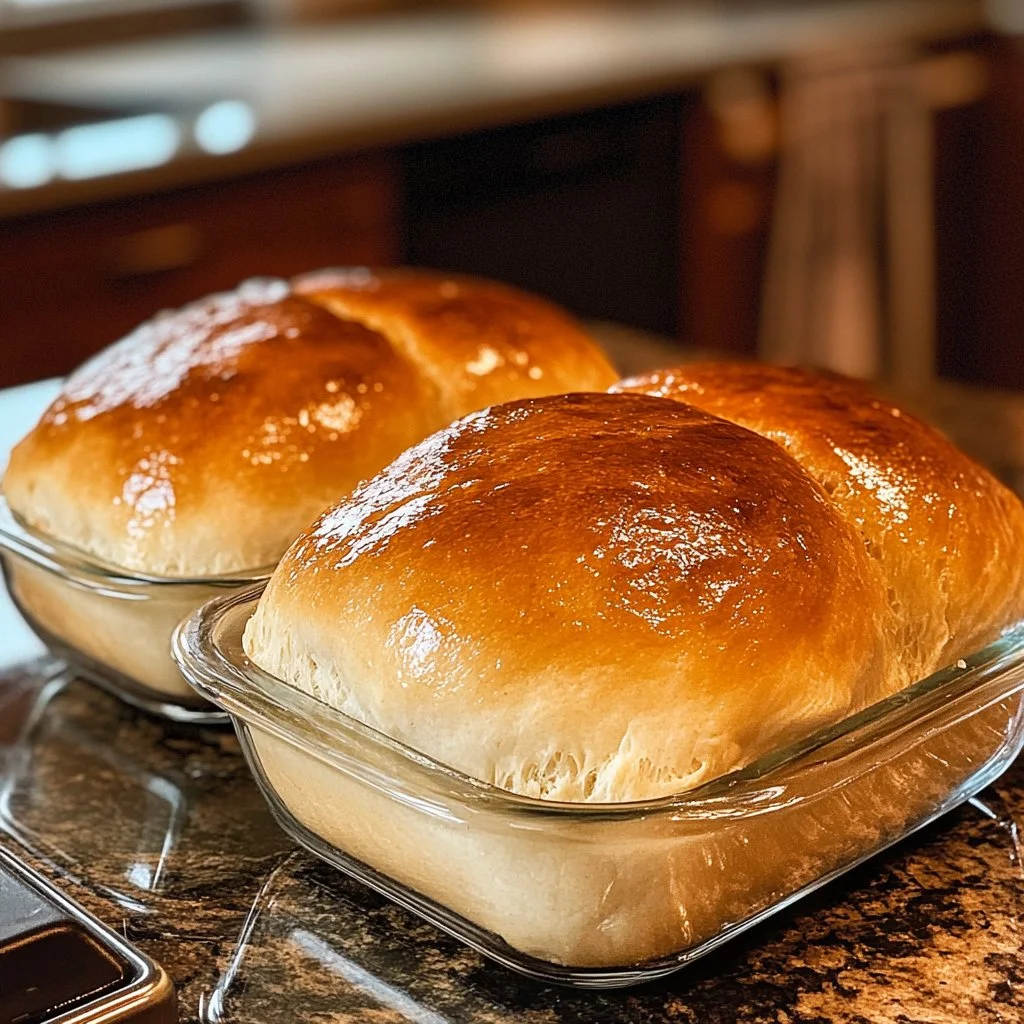
Amish white bread has a special place in many hearts, evoking memories of rushing into grandma’s kitchen, enticed by the warm, inviting aroma of freshly baked bread. The days my family gathered around the table with homemade loaves filling the air with butter and yeast are irreplaceable. This soft, slightly sweet bread captures that nostalgic essence, and for good reason. It pairs wonderfully with just about anything, making it a staple in many households.
Baking Amish white bread offers not just a culinary delight but an experience that brings families together. Whether served as toast for breakfast or as sandwich bread for lunch, its versatility shines in every bite. With only a handful of simple ingredients, it’s entirely possible to replicate that homey feeling right in your kitchen. Each bite transports you back to simpler times and cherished moments spent together.
Creating homemade Amish white bread doesn’t require fancy gadgets or skills. Just follow a few straightforward steps, and you’ll be rewarded with a golden, crusty loaf that your loved ones will rave about. The blend of warm water and milk, combined with sugar, yeast, and flour, transforms into something magical as it rises. Let’s dive into this engaging recipe that’s sure to become a beloved tradition in your home.
Amish White Bread: A Traditional Comfort
Fundamentals
Amish white bread is not just any bread; it stems from a rich tradition of home baking. The essential ingredients create a balanced dough that rises beautifully, resulting in a soft and fluffy texture. Active dry yeast plays a crucial role in this recipe, providing the necessary lift and contributing to the bread’s lovely flavor.
Using warm water and milk set at the right temperatures ensures that the yeast activates correctly. A pinch of powdered ginger, albeit optional, can provide an extra boost to the yeast’s activity, encouraging a more robust rise. This recipe requires simple ingredients that combine in just the right way, producing bread that warms any heart and home.
Preparation/setup
Begin by gathering all your ingredients. Having everything on hand simplifies the baking process. Measure out 1 cup of water and milk, each heated to 110°F to create the ideal environment for the yeast.
Combine the warm water with the milk, then add in the sugar and the yeast. Allow it to bloom for about 5-10 minutes. This step activates the yeast and ensures that the bread rises properly. While waiting, prepare your workspace by lightly flouring your countertop and gathering your mixing equipment, including a large bowl and a wooden spoon or spatula.
Ingredients
The ingredients needed for Amish white bread are straightforward:
- 1 cup water (110°F)
- 1 cup milk (110°F)
- 2/3 cup sugar (you can use less)
- 1 1/2 tablespoons active dry yeast
- 1 1/2 teaspoons salt
- 1/4 cup vegetable oil (coconut oil works great here)
- 5-1/2 cups bread flour (you may need a little more or a little less)
- 2 tablespoons butter (melted)
Directions
- In a large bowl, combine warm water, warm milk, and sugar. Stir well to dissolve.
- Sprinkle the active dry yeast over the liquid. Allow it to rest for 5-10 minutes until foamy.
- Once the yeast is active, mix in the salt and vegetable oil.
- Gradually add the bread flour, one cup at a time, mixing until a soft dough forms.
- Transfer the dough to a floured surface and knead it for about 8-10 minutes until smooth and elastic.
- Place the dough in a greased bowl, cover it with a cloth, and let it rise in a warm place for about 1-2 hours or until it doubles in size.
- Punch down the risen dough and shape it into loaves. Place the loaves into greased bread pans.
- Allow the loaves to rise for another 30-45 minutes.
- Preheat your oven to 350°F and bake the loaves for 25-30 minutes or until golden brown.
- Remove from the pans and brush the tops with melted butter for a soft crust.
Crafting the Perfect Amish White Bread
Technique
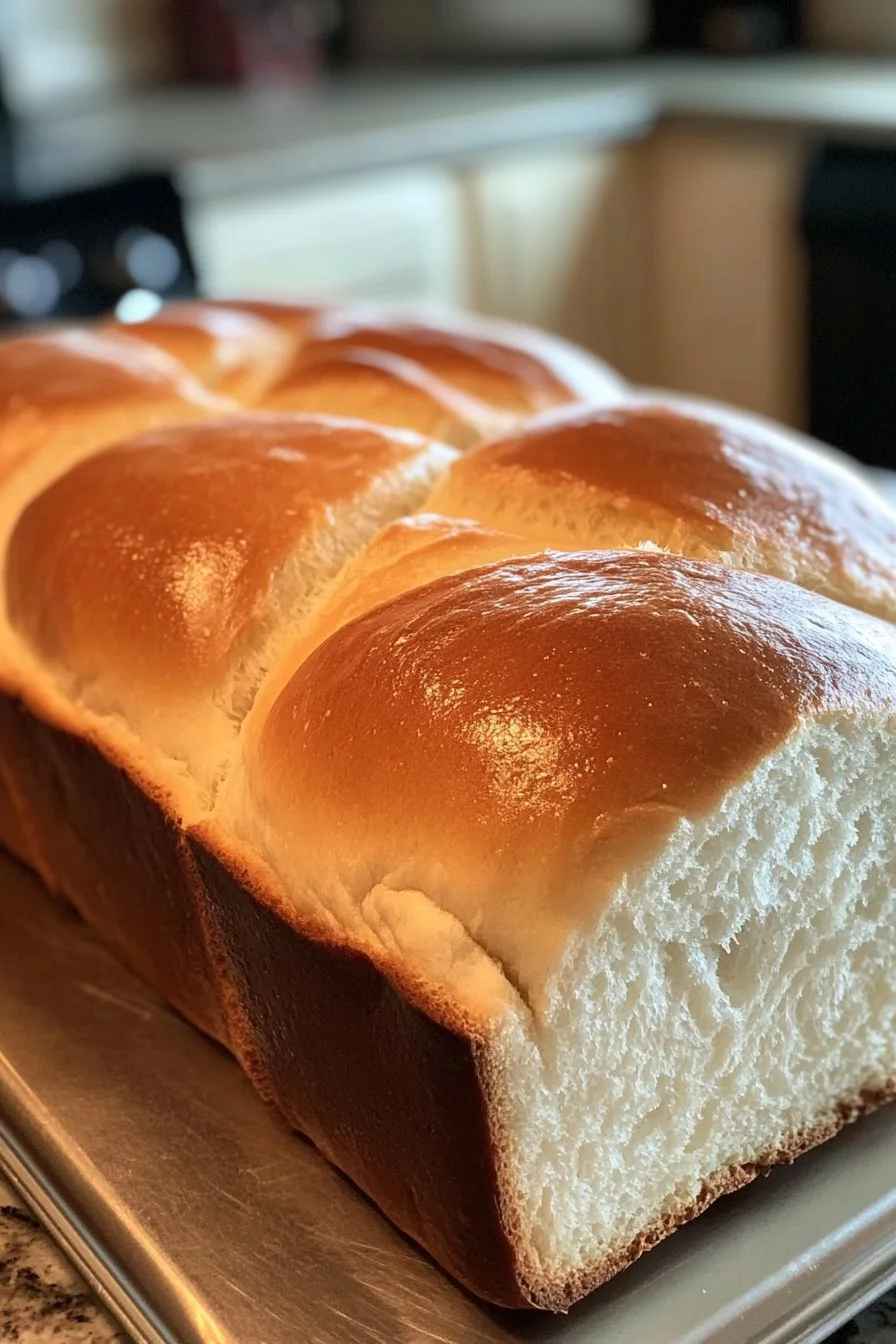
Successful baking requires a good balance of technique and patience. After activating your yeast, it’s essential to mix gently but thoroughly to prevent the dough from becoming too dense. Kneading is crucial; it develops gluten, providing structure to your bread. Knead until the dough is smooth and elastic, feeling soft to the touch.
When shaping your loaves, ensure that you create a tight surface. A well-shaped loaf holds its form while baking, resulting in an appealing shape and texture. Don’t rush through these steps—allow the dough to rise fully in a warm environment. Cold spots in your kitchen can hinder the yeast’s performance.
Tips/tricks
Here are a few handy tips for your baking journey:
- Ensure your ingredients are at the proper temperatures. Too hot or too cold can compromise the yeast.
- Use quality bread flour for better elasticity and structure.
- For a richer flavor, allow your dough to rise for a longer time. An overnight rise in the refrigerator can deepen the flavor.
- Experiment with different fats. While vegetable oil works well, melted butter can add a lovely richness to your bread.
Perfecting Your Amish White Bread
Perfecting results
Achieving the perfect loaf takes practice. Pay attention to how the dough feels during kneading and rising. A well-kneaded dough springs back when poked, indicating it’s ready for the next step. Look for a doubled size during the first rise; patience truly pays off.
If you enjoy a thicker crust, preheat a baking stone in your oven before placing your bread inside. This will create an ideal baking environment, enhancing crust development while maintaining a soft interior.
Troubleshooting/variations
Sometimes, things don’t go as planned in the kitchen. If your bread isn’t rising, check the yeast’s freshness and ensure your liquids are the right temperature. If the texture feels off, consider the flour quantity; adding too much can lead to a dense loaf.
You can also explore variations by adding herbs or spices to the dough for an herbal twist or folding in fruits for a sweet surprise. Each alteration creates unique offerings that stand out on the dinner table.
Serving Your Amish White Bread Delight
Serving/presentation
The visual appeal of your bread can enhance the experience. Serve your Amish white bread warm from the oven, sliced into thick pieces that invite butter or your favorite spreads. Consider arranging slices on a rustic wooden board with a decorative knife for added charm.
A simple fresh herb garnish can elevate the presentation, making the bread even more inviting. Encourage guests to take a slice while it’s warm and lightly brushed with melted butter for an irresistible treat.
Pairings/storage
Amish white bread offers endless pairing possibilities. Serve it alongside soups, salads, or hearty stews for a comforting meal. Try it with spreads like honey or jam for breakfast or use it as the foundation for mini sandwiches during gatherings.
For storage, allow the bread to cool completely before wrapping it in plastic or placing it in an airtight container. Store it at room temperature for up to three days, or freeze slices for longer preservation. Just remember, once you taste your homemade bread, it’ll be hard to resist!
Conclusion
Amish white bread represents both nostalgia and comfort, bringing wonderful memories to life with each loaf. The process of creating this delightful bread connects us to generations of home bakers who shared love and warmth through their creations. Embrace the baking process, savor the results, and allow this wonderful tradition to become a part of your culinary repertoire.
Print
Amish White Bread
- Prep Time: 15 minutes
- Cook Time: 30 minutes
- Total Time: 45 minutes
- Yield: 2 loaves
- Category: Bread
- Method: Baking
- Cuisine: American
- Diet: Vegetarian
Description
A soft, slightly sweet bread that captures the nostalgic essence of homemade baking, perfect for sandwiches or toast.
Ingredients
- 1 cup water (110°F)
- 1 cup milk (110°F)
- 2/3 cup sugar
- 1 1/2 tablespoons active dry yeast
- 1 1/2 teaspoons salt
- 1/4 cup vegetable oil (or melted butter)
- 5 1/2 cups bread flour
- 2 tablespoons butter (melted)
Instructions
- In a large bowl, combine warm water, warm milk, and sugar. Stir well to dissolve.
- Sprinkle the active dry yeast over the liquid and allow it to rest for 5-10 minutes until foamy.
- Mix in the salt and vegetable oil into the yeast mixture.
- Gradually add the bread flour, one cup at a time, mixing until a soft dough forms.
- Transfer the dough to a floured surface and knead for about 8-10 minutes until smooth and elastic.
- Place the dough in a greased bowl, cover, and let it rise in a warm place for 1-2 hours or until it doubles in size.
- Punch down the risen dough and shape into loaves. Place into greased pans.
- Allow the loaves to rise again for another 30-45 minutes.
- Preheat the oven to 350°F and bake for 25-30 minutes or until golden brown.
- Remove from pans and brush the tops with melted butter for a soft crust.
Notes
For a richer flavor, allow your dough to rise longer. An overnight rise in the refrigerator can enhance the taste.