

📑 Table of Contents ▶
There’s nothing quite like the aroma of freshly baked sourdough rolls wafting through the kitchen. A few years ago, I discovered the magic of sourdough starter and its ability to transform simple ingredients into something extraordinary. On that day, I awkwardly mixed the ingredients, watching as the dough came to life before my eyes.
I remember excitedly gathering my family for dinner, anticipating their reaction to the warm, fluffy rolls. As we broke bread together, the sourdough rolls brought laughter and enjoyment around the table. It was that moment I realized food is not just fuel; it connects us and enhances our shared experiences.
Baking sourdough rolls became one of my favorite activities. The process, while simple, yields delicious results that can enhance any meal. Let’s dive into the art of making sourdough rolls, where the combination of flour, water, salt, sugar, and yeast creates a delightful treat perfect for any occasion.
Understanding Sourdough Rolls
Fundamentals
Sourdough rolls embody the craftsmanship of bread-making, where each ingredient plays a crucial role. The foundation lies in the balance between the flour and the sourdough starter. All-purpose flour offers structure and texture, while the sourdough starter introduces natural yeast and tangy flavor.
Understanding how to manage this balance is essential. The active dry yeast adds an extra boost, ensuring that the rolls rise beautifully. Incorporating the right amount of salt enhances flavor, while sugar interacts with the yeast, promoting fermentation.
Creating delectable sourdough rolls requires patience, but the payoff is worth it. The steps may seem straightforward, but the magic happens through fermentation and kneading, which creates the rolls’ characteristic lift and chewiness.
Preparation/Setup
Preparation begins with gathering all the ingredients needed for the sourdough rolls. You will need 3 cups of all-purpose flour, 1 cup of sourdough starter, 1 cup of warm water, 2 teaspoons of salt, 1 tablespoon of sugar, and 1 teaspoon of active dry yeast.
Start by selecting a large mixing bowl. The platform for combining the ingredients requires ample space for mixing and kneading. Additionally, utilize a separate bowl for activating the yeast. Make sure you have a clean, greased bowl for rising the dough and baking sheets ready for the rolled dough balls.
Just like a painter prepares a canvas, ensure that your workspace is tidy and organized. This straightforward setup will make the process flow smoothly, allowing you to focus on creating those delicious sourdough rolls with minimal distractions.
Ingredients
The ingredients list is a crucial part of sourdough roll preparation. Each component serves a purpose, transforming the dough from a simple mixture into a light and fluffy final product.
- 3 cups all-purpose flour: Provides structure and chew.
- 1 cup sourdough starter: Delivers flavor and natural leavening.
- 1 cup warm water: Hydrates the flour and activates the yeast.
- 2 teaspoons salt: Enhances flavor and regulates yeast activity.
- 1 tablespoon sugar: Fuels the yeast for better fermentation.
- 1 teaspoon active dry yeast: Gives the dough an added lift.
Gather these ingredients before you start baking. Familiarizing yourself with them helps not only in the process but also in understanding the transformation that occurs during mixing and rising.
Directions
- In a large mixing bowl, combine the flour, sugar, and salt.
- In a separate bowl, mix the warm water and yeast, letting it sit until frothy.
- Stir in the sourdough starter and yeast mixture into the dry ingredients.
- Mix until a dough forms, then knead for about 10 minutes until smooth.
- Place the dough in a lightly greased bowl, cover, and let it rise for 1-2 hours until doubled in size.
- Punch down the dough and divide it into small balls.
- Place on a baking sheet, cover, and let rise again for about 30-45 minutes.
- Preheat the oven to 400°F (200°C).
- Bake for 20-25 minutes or until golden brown.
- Let cool slightly before serving.
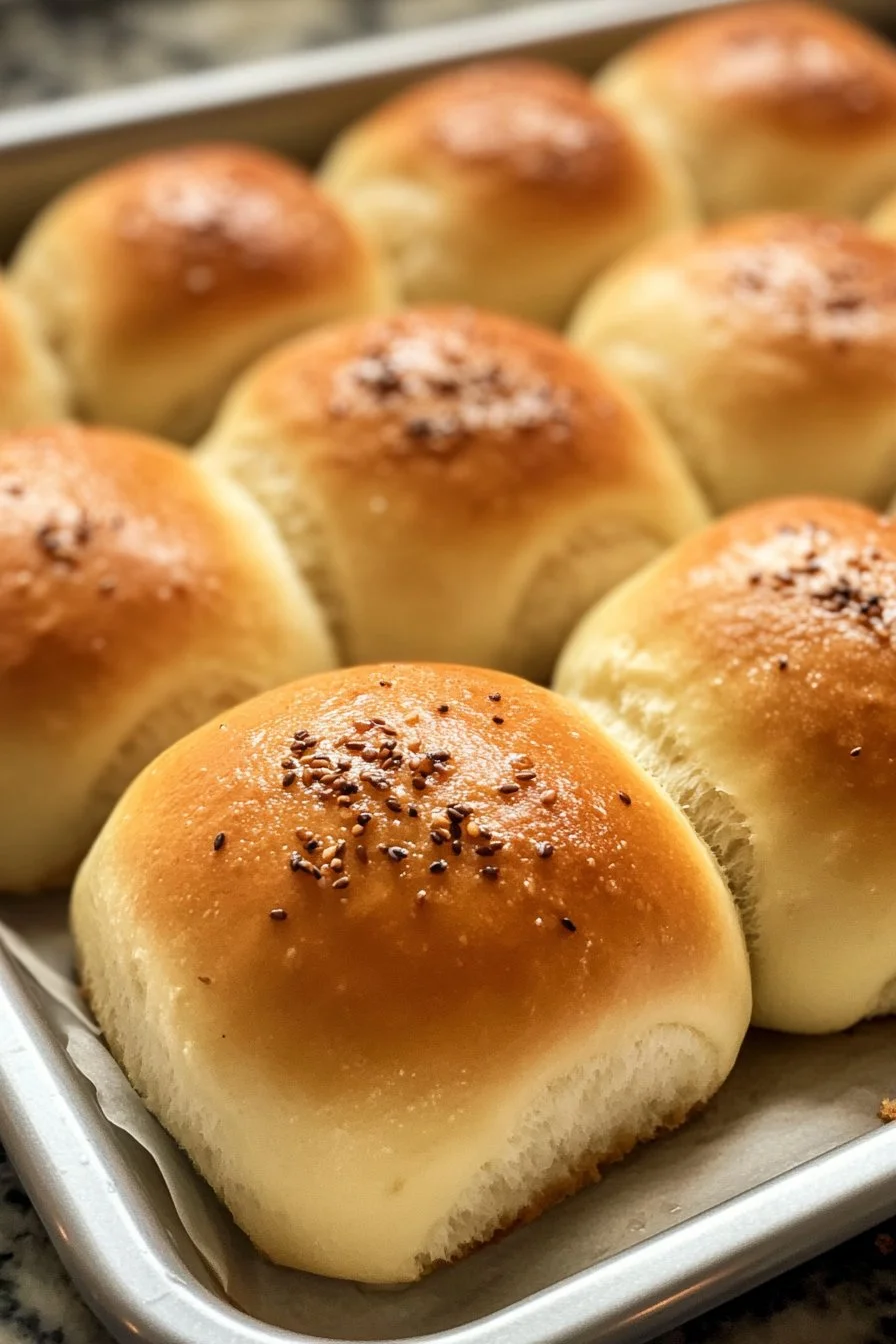
Mastering Sourdough Rolls
Technique
Crafting sourdough rolls involves specific techniques to achieve the best results. Kneading the dough is a vital component, as it develops the gluten and creates elasticity. This step ensures that your rolls have the right texture and aren’t too dense. Aim for about 10 minutes of kneading until the dough feels smooth and elastic.
While your dough rises, it becomes a living organism, expanding due to the fermentation process. This patience is central to the sourdough experience; each rise develops the flavor and texture of the rolls.
Additional techniques include controlling the temperature while your dough rises. Warmer environments can speed up fermentation, resulting in pronounced sourness. Conversely, cooler spaces can allow for a slower fermentation, leading to milder flavors. Understand your kitchen’s climate to adjust rising times accordingly.
Tips/Tricks
Baking sourdough rolls is an art, but a few tips can enhance the process. First, always ensure your sourdough starter is active. Feed it regularly to maintain its potency. An inactive starter won’t provide the lift or flavor needed.
Experimenting with hydration levels can also lead to varied textures. Higher hydration doughs yield softer, airier rolls, while lower hydration creates denser options. Don’t be afraid to iterate and find your perfect balance.
Another trick involves adding steam to your baking environment. Placing a pan of water in the oven can help generate steam, contributing to a crustier exterior. This simple step can elevate the quality of your rolls.
Enhancing Sourdough Rolls
Perfecting Results
Perfecting your sourdough rolls hinges on understanding the science behind the ingredients and techniques. Monitoring the dough’s rise is essential. A properly risen dough expands double in size, creating air pockets that make for a light texture.
Practice makes progress; each baking session will reveal new insights. Keep a journal of your experiences—note any adjustments and the resulting flavors.
Visual cues tell a story in bread-making. A golden-brown crust and a hollow sound when tapped indicate perfectly baked rolls. Don’t rush the baking process; trust your instincts, and remember that each attempt teaches you something new.
Troubleshooting/Variations
Occasionally, sourdough rolls may not turn out as expected. If the rolls are dense, consider whether the dough rose adequately. Insufficient rising may indicate a need for a warmer environment or a more active starter.
For variations, add herbs, garlic, or cheese during the mixing stage for a twist on the classic recipe. Embrace creativity; sourdough rolls adapt well to various flavors and enhancements.
Incorporating seeds or grains can also alter the texture and increase nutritional value. Try adding sunflower seeds or whole grains for added crunch and health benefits.
Enjoying Sourdough Rolls
Serving/Presentation
Presenting your sourdough rolls can elevate any meal. Arrange them on a wooden cutting board garnished with fresh herbs for a rustic appeal. Use parchment paper or linen napkins against the backdrop, allowing the whiffs of freshly baked bread to envelop your guests.
Serve warm, freshly out of the oven, alongside butter or your favorite spreads. The delectable texture and flavor serve as the perfect companion to soups, salads, or even meat dishes.
Sharing sourdough rolls can foster connection, embodying the shared experience of homemade cooking. The act of breaking bread truly brings people together in ways few things can.
Pairings/Storage
Storing your sourdough rolls requires care to maintain freshness. Allow them to cool fully before storing. Use an airtight container or bag at room temperature for a day or two. For longer storage, freeze the rolls.
When ready to enjoy frozen rolls, simply pop them in the oven to reheat. This method preserves flavor and texture, keeping the rolls delicious for longer.
Plan pairings with savory spreads or soups. These rolls complement meals without overwhelming the palate. Focus on enhancing the meal rather than overshadowing it with richness.
Conclusion
The journey of crafting sourdough rolls unfurls an adventure through simple ingredients. Each batch weaves together family, friends, and shared moments. Capturing the essence of baking lies in patience, practice, and most importantly, enjoyment.
By exploring the art of sourdough, bakers create more than just rolls; they build memories. Embrace the process, from collecting ingredients to savoring the first warm bite. Each session in the kitchen unfolds a new chapter of flavor and connection.
Print
Sourdough Rolls
- Prep Time: 15 minutes
- Cook Time: 25 minutes
- Total Time: 45 minutes
- Yield: 12 rolls
- Category: Bread
- Method: Baking
- Cuisine: Bread
- Diet: Vegetarian
Description
Delicious and fluffy sourdough rolls that bring warmth and connection to your table.
Ingredients
- 3 cups all-purpose flour
- 1 cup sourdough starter
- 1 cup warm water
- 2 teaspoons salt
- 1 tablespoon sugar
- 1 teaspoon active dry yeast
Instructions
- In a large mixing bowl, combine the flour, sugar, and salt.
- In a separate bowl, mix the warm water and yeast, letting it sit until frothy.
- Stir in the sourdough starter and yeast mixture into the dry ingredients.
- Mix until a dough forms, then knead for about 10 minutes until smooth.
- Place the dough in a lightly greased bowl, cover, and let it rise for 1-2 hours until doubled in size.
- Punch down the dough and divide it into small balls.
- Place on a baking sheet, cover, and let rise again for about 30-45 minutes.
- Preheat the oven to 400°F (200°C).
- Bake for 20-25 minutes or until golden brown.
- Let cool slightly before serving.
Notes
Ensure your sourdough starter is active for the best results. Adding steam to the oven can create a crustier exterior.