
📑 Table of Contents ▶
Soy Sauce Eggs
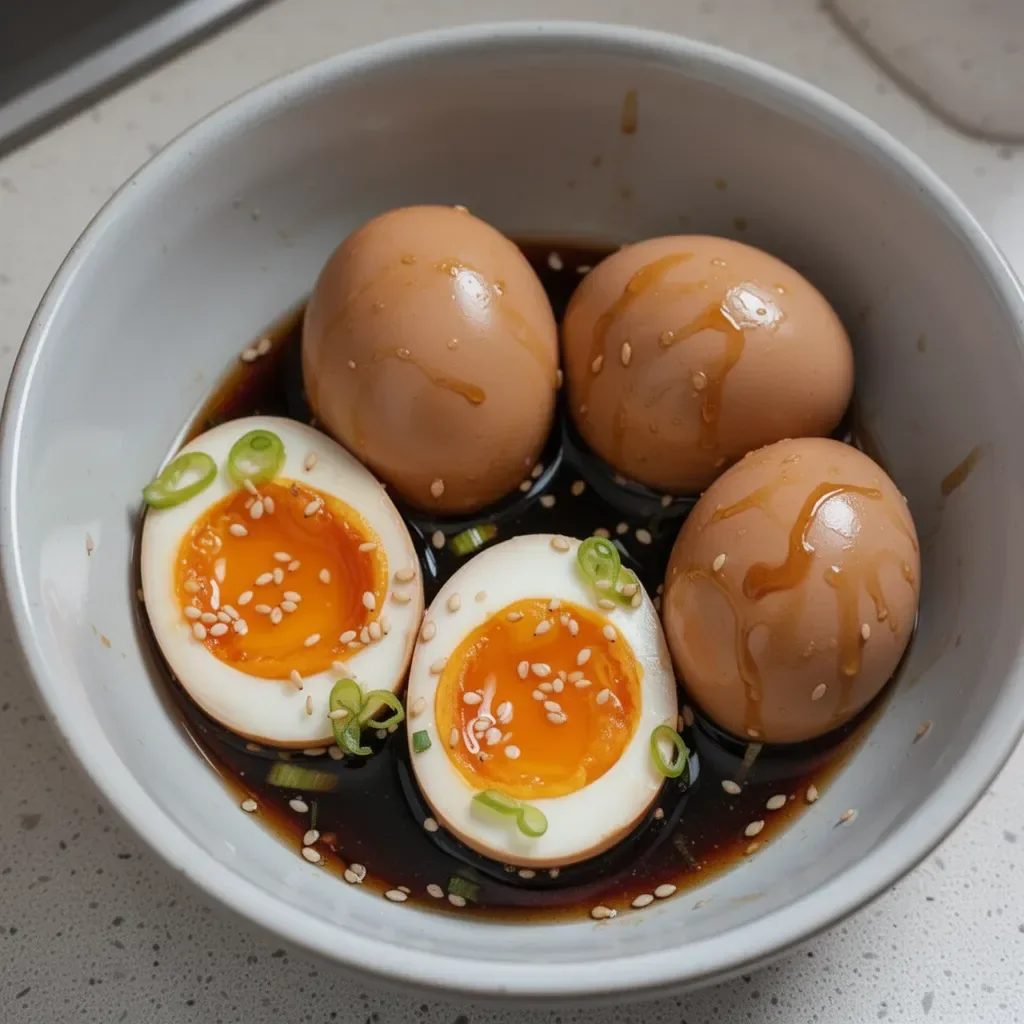
The first time I discovered soy sauce eggs was in a small, bustling restaurant while traveling through the city. I remember savoring the deep umami flavor that enveloped each bite. Those beautifully marbled eggs, steeped in a savory soy sauce bath, were unlike anything I had tasted before. The way the soy sauce infused the eggs created a delightful contrast to their creamy texture.
Soy sauce eggs quickly became a staple in my kitchen. They serve as an incredible side dish, snack, or even a main attraction in a salad. The simplicity of the ingredients combined with the rich flavors never ceases to amaze me. Preparing these delicious eggs is an easy affair, making them perfect for both simple meals and fancy gatherings.
Eschewing complicated techniques in favor of straightforward steps, these soy sauce eggs deliver sheer satisfaction. Each bite contains flavor-packed joy. Knowing how easy they are to make, I look forward to preparing them often. Students, parents, and foodies alike can enjoy this delightful treat without a fuss.
Part 1: The Basics of Soy Sauce Eggs
Fundamentals
Soy sauce eggs utilize a simple combination of ingredients. Notably, the primary components include eggs, soy sauce, and garlic, which create a wonderful harmony of flavors. Rice vinegar adds a subtle tang, while sugar enhances the overall taste, grounding the saltiness from the soy sauce.
This dish is not only delicious but also exciting because of the way it involves a bit of waiting. The magic happens when the eggs steep in the soy sauce mixture, absorbing the flavors over time. This step is crucial in transforming plain boiled eggs into a gourmet delicacy that can impress anyone.
Preparation/setup
Start by preparing the icy bath for the eggs. When the cooking time ends, you’ll need that cold water with ice cubes to stop the cooking process immediately. This method ensures that you achieve the perfect texture, whether you prefer runny yolks or slightly firmer ones.
Next, gather all the ingredients you will need for the soy sauce mixture. A small saucepan will work perfectly for bringing together the soy sauce, grated garlic, rice vinegar, sugar, and water. Having everything ready to go keeps the workflow smooth and enjoyable.
Ingredients
- 6 large eggs
- ¾ cup soy sauce
- 3 garlic cloves, grated
- 1½ tablespoons rice vinegar
- 1½ tablespoons sugar
- 2 cups water
These ingredients form the heart of soy sauce eggs. Every component plays its role; the eggs provide substance while the soy sauce and garlic deliver depth and flavor.
Directions
Prepare a bowl with cold water and enough ice cubes to create an icy bath. Set aside.
In a medium saucepan, bring enough water to cover the eggs to a rolling boil. Carefully drop the eggs into the water and boil for 7 minutes for runny yolks or 7½ minutes for firmer yolks. Carefully swirl the water for the first 1½ minutes to help center the yolk.
After the desired cooking time, remove the eggs from the pan and place them in the ice bath. Leave them submerged for 2 minutes or until cool enough to handle. Under slow running water, deshell the eggs and place them on a paper towel to remove excess water.
Add soy sauce, grated garlic, rice vinegar, sugar, and water to a small saucepan and bring to a boil. Lower the heat to a simmer and cook for 3 minutes. Remove from heat and allow the mixture to cool to room temperature.
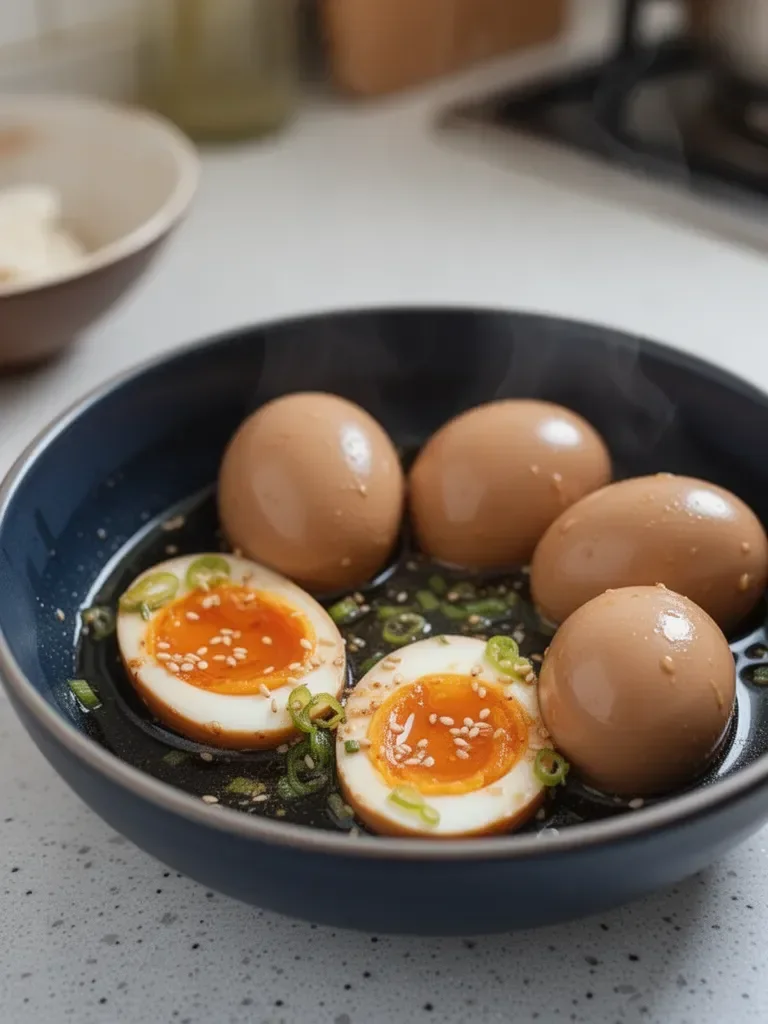
Pour the soy sauce mixture into a medium or large bowl. Add the eggs and cover. Allow the eggs to steep in soy sauce until they are deep brown in color; they are best if left for 12–24 hours before eating. The soy sauce eggs will keep for 4-5 days in the mixture.
Part 2: Mastering Soy Sauce Eggs
Technique
The technique for making soy sauce eggs centers on timing and temperature. Boiling the eggs for just the right length is critical in determining their final texture. This simple technique proves that anyone can achieve amazing results with practice.
After boiling, the ice bath is essential. It halts the cooking process quickly, preventing overcooked, rubbery eggs. Mastering this egg-boiling technique allows you to create the perfect soy sauce eggs time after time.
Tips/tricks
To elevate your soy sauce eggs to new heights, consider experimenting with various steeping times. While 12 to 24 hours is ideal, leaving them in the mixture longer allows the flavors to deepen even further.
You can also add additional ingredients to the soy sauce mixture. Consider experimenting with slices of fresh ginger or green onions to introduce a different flavor note. Just ensure you adjust the measurements accordingly to maintain balance.
Part 3: Perfecting Soy Sauce Eggs
Perfecting results
Keep in mind that the quality of your ingredients matters. Fresh, high-quality eggs yield the best results. Farm-fresh eggs often have a richer flavor and a creamier texture, making them the ideal candidate for this dish.
Additionally, opt for a good-quality soy sauce. The flavor profile can vary significantly among brands. Feel free to taste-test and find one that suits your palate best.
Troubleshooting/variations
If the eggs are too salty, consider soaking them in water for a short period before serving. This can help balance the flavors if you accidentally steep them for too long.
Experimenting with variations can also keep things exciting. Add chili flakes to the soy sauce mixture for some heat or even blend in a splash of sesame oil for a hint of nuttiness. The possibilities are endless for creating your personalized soy sauce egg experience.
Part 4: Serving Soy Sauce Eggs
Serving/presentation
Once the soy sauce eggs have steeped to perfection, they are ready to shine on your table. You can slice them in half to reveal the gorgeous yolk and display them on a beautiful plate. Garnishing with fresh herbs like cilantro or green onions adds a delightful touch.
These eggs can stand alone as an appetizer or be served alongside rice and vegetables for a complete meal. Their visually appealing appearance makes them perfect for gatherings.
Pairings/storage
Although soy sauce eggs excel on their own, they pair wonderfully with a variety of dishes. Serve them alongside avocado toast or stir-fried vegetables for a nutritious meal. They also go well in salads, providing protein and flavor.
When it comes to storage, the soy sauce eggs can easily last for 4-5 days in the mixture. Keeping them submerged helps preserve their flavor and texture. If any eggs remain after a few days, their flavor will deepen further, making those last bites a true treat.
By following these procedures and tips, soy sauce eggs will become a standout dish in your culinary repertoire. Enjoy the journey of exploring this delicious recipe while delighting anyone lucky enough to enjoy them.
Print
Soy Sauce Eggs
- Prep Time: 15 minutes
- Cook Time: 10 minutes
- Total Time: 12 hours 25 minutes
- Yield: 4 servings
- Category: Side Dish
- Method: Boiling
- Cuisine: Asian
- Diet: Vegetarian
Description
Delicious soy sauce eggs, marinated to perfection, are a delightful blend of umami flavors and creamy texture, perfect as a side dish or snack.
Ingredients
- 6 large eggs
- ¾ cup soy sauce
- 3 garlic cloves, grated
- 1½ tablespoons rice vinegar
- 1½ tablespoons sugar
- 2 cups water
Instructions
- Prepare a bowl with cold water and enough ice cubes to create an icy bath. Set aside.
- Boil enough water in a medium saucepan to cover the eggs. Carefully drop the eggs into the water and boil for 7 minutes for runny yolks or 7½ minutes for firmer yolks.
- Swirl the water for the first 1½ minutes to help center the yolk.
- Remove the eggs from the pan and place them in the ice bath. Leave them submerged for 2 minutes or until cool enough to handle.
- Deshell the eggs under slow running water and place them on a paper towel to remove excess water.
- Add soy sauce, grated garlic, rice vinegar, sugar, and water to a small saucepan and bring to a boil. Lower the heat to a simmer and cook for 3 minutes.
- Allow the mixture to cool to room temperature.
- Pour the soy sauce mixture into a medium or large bowl. Add the eggs and cover.
- Steep the eggs in soy sauce until they are deep brown in color; they are best if left for 12–24 hours before eating.
- Store the soy sauce eggs in the mixture for up to 4-5 days.
Notes
For best results, use fresh, high-quality eggs and soy sauce. Consider adding additional ingredients like fresh ginger or green onions for extra flavor.