

📑 Table of Contents ▶
Sourdough Sandwich Bread
There’s something magical about baking sourdough sandwich bread that transcends the confines of mere culinary practice. The aroma wafting through the kitchen during the rise and bake evokes memories of family gatherings, where the smell of freshly baked bread signifies comfort and home. Crafting sourdough sandwich bread has become a cherished ritual, a way to connect with both tradition and family.
Each loaf becomes a canvas for creativity, showcasing how versatile this bread can be. Whether it’s slathered with butter or piled high with your favorite fillings, the taste is always satisfying. The blend of sourdough’s tangy bite and the soft, tender crumb makes it a perfect choice for lunchboxes or cozy dinners at home. Baking sourdough sandwich bread transforms basic ingredients into something extraordinary, inviting everyone to savor each bite and moment.
When you delve into the journey of making sourdough sandwich bread, you uncover more than a recipe; you engage with time-honored techniques and flavorful traditions that bring joy to the everyday. Embracing this process unlocks the doors to not only nurturing your kitchen skills but also nurturing the connections that matter most.
Sourdough Sandwich Bread Essentials
Fundamentals
Making sourdough sandwich bread starts with understanding the basic components. The heart of this loaf lies in the sourdough starter, a living culture that breathes life into the dough. This key ingredient not only provides natural leavening but also imbues the bread with its characteristic tang. Using warm filtered water enhances the fermentation, encouraging active yeast to thrive.
The sugar plays a crucial role too, not just for sweetness but to feed the yeast during the fermentation process. Olive oil adds richness and a satisfying texture, while sea salt brings out the flavors of the other ingredients. Finally, the bread flour provides the necessary structure for a soft, airy bread. Knowing how these elements work together is essential for success in this baking adventure.
Preparation/setup
Preparation paves the way for a successful baking experience. Gather all your ingredients and tools before diving in. A large mixing bowl will serve as the foundation for your dough creation, and a greased loaf pan is essential for shaping your bread. Set aside a damp cloth to cover the dough during its first rise, creating a warm environment that fosters fermentation.
As you prepare, remember that baking is both a science and an art. Measuring ingredients accurately ensures that each component works harmoniously. The beauty of sourdough sandwich bread lies in its simplicity, so focus on the little details, such as the temperature of your water and the consistency of your dough. These initial steps set the stage for creating a loaf filled with flavor and character.
Ingredients
To create a delectable sourdough sandwich bread, gather the following ingredients:
- 1/3 cup (65 grams) sourdough starter
- 1⅓ cups (300 grams) warm filtered water
- 1/4 cup (56 grams) sugar
- 3½ – 4 cups (500 grams) bread flour
- 1½ tablespoons (20 grams) extra-virgin olive oil
- 2 teaspoons (9 grams) sea salt
These ingredients meld together to form a dough that rises beautifully, resulting in the perfect loaf for sandwiches, toasts, or simply enjoying with a bit of butter.
Directions
- In a large bowl, mix the sourdough starter and warm water until combined.
- Stir in the sugar, olive oil, and sea salt.
- Gradually add the bread flour until a soft dough forms.
- Cover with a damp cloth and let it rise overnight at room temperature.
- The next day, shape the dough into a loaf and place it in a greased loaf pan.
- Let it rise for an additional 1-2 hours until doubled in size.
- Preheat the oven to 375°F (190°C).
- Bake for about 30-35 minutes or until the bread is golden brown and sounds hollow when tapped.
- Allow to cool before slicing.
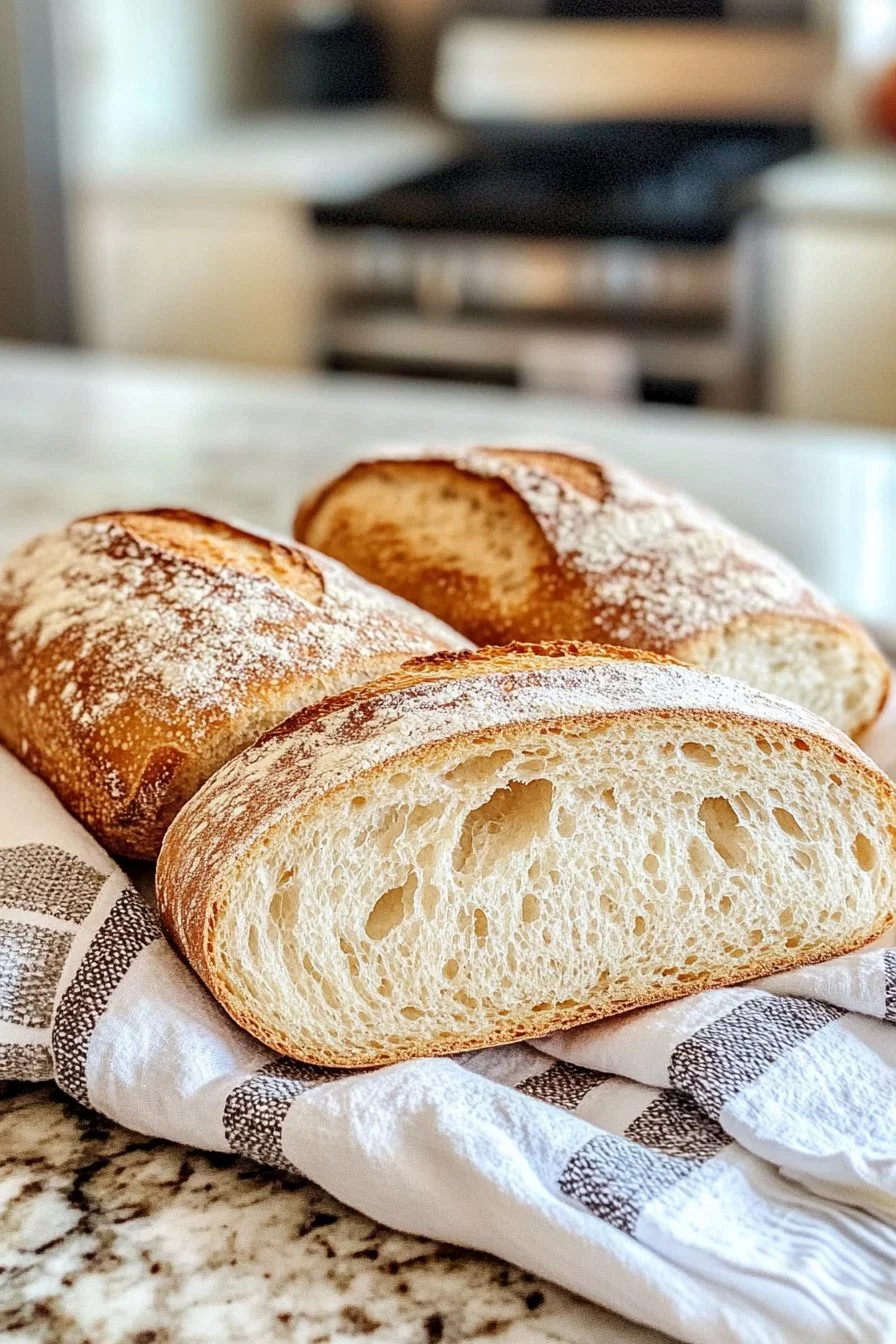
Crafting the Perfect Sourdough Sandwich Bread
Technique
Mastering the technique of sourdough sandwich bread starts with nurturing the starter. Feed it regularly and monitor its activity, as a vibrant starter is key to a successful loaf. When mixing the dough, take care to combine the wet and dry ingredients until no dry flour remains. This technique ensures even hydration throughout the dough.
As you shape the dough into a loaf, focus on tension. Creating surface tension will help your loaf rise beautifully in the oven. Pay attention to the rest periods too; allowing the dough to rise sufficiently makes a difference in texture and flavor. Proper timing is crucial, so patience will reward you with a scrumptious outcome.
Tips/tricks
To enhance your bread-making journey, consider a few helpful tips. Use a kitchen scale for precise measurements, ensuring consistent results with each bake. Experiment with the rising times; warmer spaces may shorten them, while cooler environments could extend them. This flexibility can lead to unique flavors developing in your bread.
Including additional hydration can achieve a more open crumb structure, which many bakers desire. For a learning experience, try adjusting the flour ratio slightly or incorporating a touch of whole wheat flour for a different flavor profile. Documenting each bake allows you to track successes and learn from each attempt.
Fine-Tuning Your Sourdough Sandwich Bread
Perfecting results
Even after following a recipe, baking can sometimes present challenges. Pay attention to your dough’s texture during mixing. It should feel soft and slightly tacky but not overly sticky. Adjust your flour as necessary to achieve this balance.
When it comes to baking, keep an eye on the color of the crust. A golden-brown loaf is typically indicative of doneness. If you find your bread is browning too quickly, consider placing it in the oven covered with foil for part of the baking process. This method can help develop a perfect crust without burning.
Troubleshooting/variations
Troubles may arise, so being prepared will enhance your confidence. If your loaf doesn’t rise as expected, it could be due to an inactive starter or insufficient rising time. Always check the starter’s bubbles and volume before using it. Adjusting the rising conditions can make a significant difference in the outcome. Experimenting with different types of bread flour can also contribute to varied results.
Looking to broaden your horizons? Consider adding herbs, seeds, or other flavor enhancers to your dough. This variation can turn a standard loaf into a memorable centerpiece for any meal.
Enjoying Sourdough Sandwich Bread
Serving/presentation
Presentation plays a big role in how we enjoy sourdough sandwich bread. After cooling, slice the loaf with a serrated knife for clean edges and beautiful presentation. Serve it on a wooden cutting board, allowing the rustic feel of the bread to shine. Paired with an array of toppings, each slice can take center stage at breakfast, lunch, or dinner.
Consider serving warm slices with butter or a drizzle of olive oil. Toasted slices work well as a base for your favorite sandwiches or as a vehicle for spreads. The simplicity of sourdough sandwich bread allows it to complement countless toppings, making it a versatile choice.
Pairings/storage
These sandwiches can be prepared to perfection by combining delightful toppings ranging from avocado and tomatoes to cucumbers and various spreads. The options are endless. Fresh herbs or greens can elevate a simple sandwich, creating an enjoyable bite every time.
To store your sourdough sandwich bread, allow it to cool completely before wrapping it in a clean cloth or placing it in a paper bag. This helps maintain its crust while preserving moisture. For longer storage, consider slicing the bread and freezing it, allowing you to enjoy fresh bread anytime.
Freshly baked sourdough sandwich bread stands as a testament to culinary creativity, showcasing the beauty of simple ingredients transformed into something extraordinary.
With each slice, it tells a story of patience, tradition, and the joy that comes from sharing good food with loved ones.
Print
Sourdough Sandwich Bread
- Prep Time: 15 minutes
- Cook Time: 30 minutes
- Total Time: 45 minutes
- Yield: 1 loaf
- Category: Bread
- Method: Baking
- Cuisine: General
- Diet: Vegetarian
Description
Homemade sourdough sandwich bread with a delightful tang, perfect for sandwiches or toast.
Ingredients
- 1/3 cup (65 grams) sourdough starter
- 1⅓ cups (300 grams) warm filtered water
- 1/4 cup (56 grams) sugar
- 3½ – 4 cups (500 grams) bread flour
- 1½ tablespoons (20 grams) extra-virgin olive oil
- 2 teaspoons (9 grams) sea salt
Instructions
- In a large bowl, mix the sourdough starter and warm water until combined.
- Stir in the sugar, olive oil, and sea salt.
- Gradually add the bread flour until a soft dough forms.
- Cover with a damp cloth and let it rise overnight at room temperature.
- The next day, shape the dough into a loaf and place it in a greased loaf pan.
- Let it rise for an additional 1-2 hours until doubled in size.
- Preheat the oven to 375°F (190°C).
- Bake for about 30-35 minutes or until the bread is golden brown and sounds hollow when tapped.
- Allow to cool before slicing.
Notes
For a more open crumb structure, consider adjusting the hydration level of the dough.