
📑 Table of Contents ▶
Sourdough Bagels Recipe
Creating homemade sourdough bagels fills the kitchen with a warm, delightful aroma that brings back memories of lazy Sunday mornings. The process feels almost meditative. Measuring out the ingredients to form the perfect dough feels rewarding. Kneading the dough by hand, feeling its texture change under my palms, connects me deeply with the authentic craft of baking.
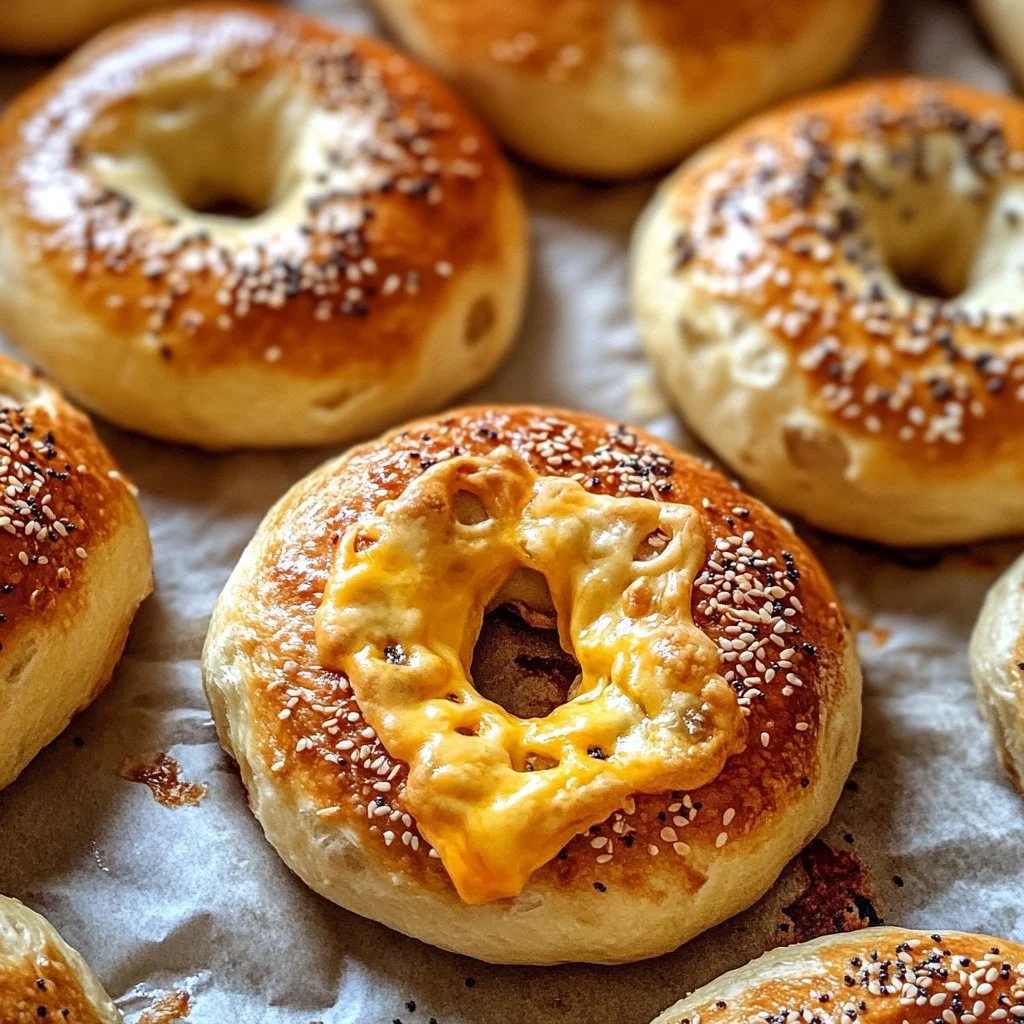
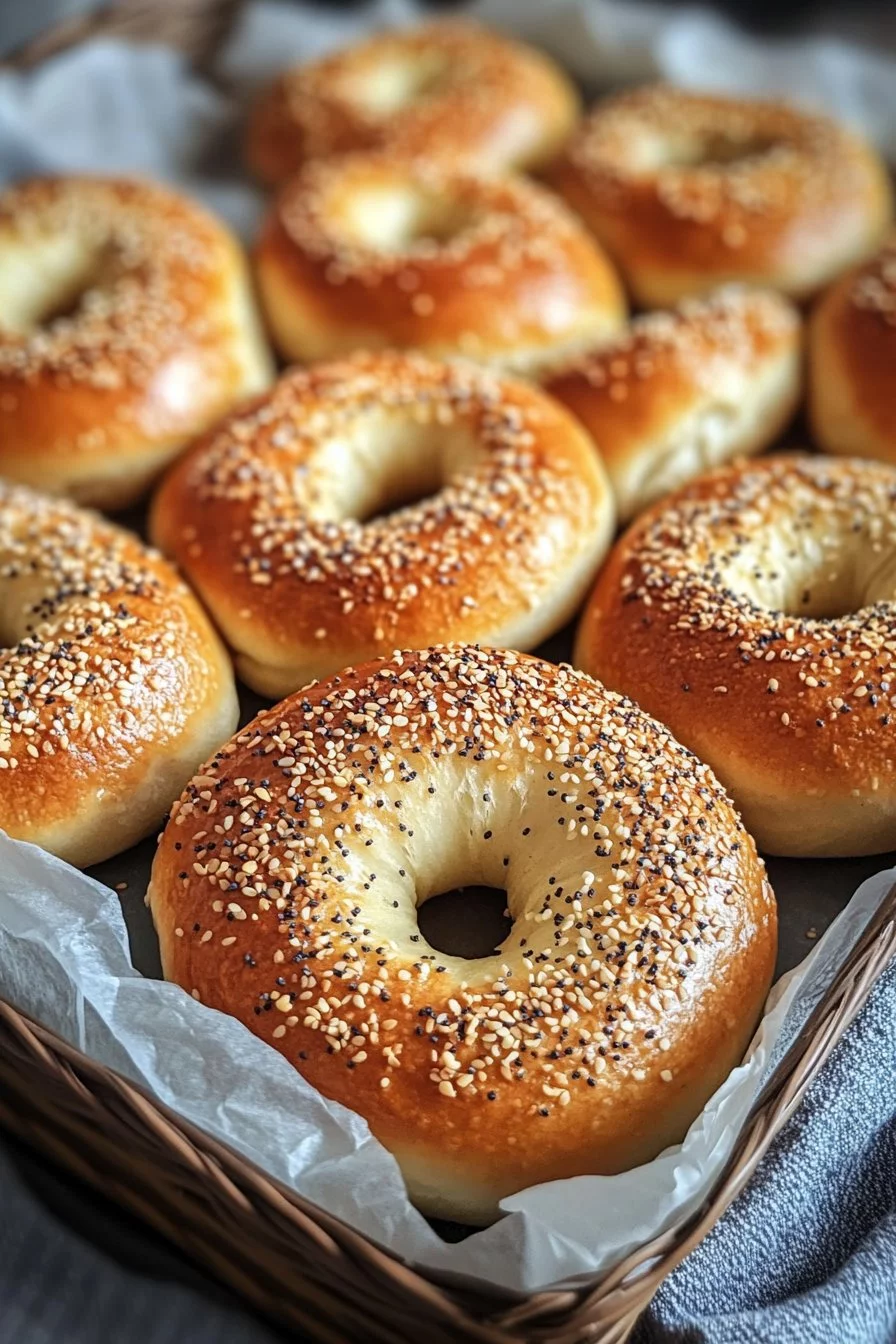
When I discovered sourdough bagels, my world of breakfast transformed. The soft, chewy inside perfectly contrasts with a golden, slightly crisp exterior. Making them from scratch has not only elevated my breakfast game but has also become cherished moments shared with my family.
This recipe highlights the beauty of active starters, warm water, and a little bit of patience, bringing out the best qualities in each ingredient. Baking these bagels lets me share love in the form of baked goods. Let’s dive right into this recipe for delicious, homemade sourdough bagels that will undoubtedly become a new favorite.
Perfecting Sourdough Bagels
Fundamentals
Sourdough bagels rely on the unique characteristics of sourdough starter. The active, bubbly starter incorporates natural yeast, which adds wonderful flavor. Many people find that using a homemade starter elevates the taste and texture of their bagels and gives them a character unlike any other. Achieving the right fermentation balance creates that coveted chewy texture that defines traditional bagels.
Understanding the fermentation process stands crucial in making perfect sourdough bagels. During fermentation, the yeast breaks down sugars in the dough, creating bubbles that cause the dough to rise. When baked, these bubbles result in a light and airy bagel.
Preparation/setup
Start by gathering your ingredients and tools. You will need 150g of active, bubbly sourdough starter, 250g of warm water, 500g of bread flour, 40g of sugar, and 11g of salt. It’s best to have everything measured out before you begin mixing. A large bowl, a countertop, and parchment paper for baking will help streamline the process.
Prepare your workspace to minimize hassle. Consider a Danish dough whisk for initial mixing, as it blends ingredients efficiently. Having a clean environment boosts morale while baking, allowing you to focus on creating your sourdough bagels.
Ingredients
- 150g active, bubbly starter
- 250g warm water
- 500g bread flour
- 40g sugar
- 11g salt
- 20g honey (for boiling bath)
These ingredients collaborate beautifully, creating a wonderful base for your bagels. Pay attention to each measuring step. Accurate amounts will enhance consistency and flavor throughout your baking experience.
Directions
- In a large bowl, combine 150g active starter, 250g warm water, and 40g sugar. Mix by hand or use a Danish dough whisk to achieve a milky liquid texture.
- Add 500g bread flour and 11g salt. Mix until fully incorporated.
- Knead the dough by hand for 5–6 minutes, developing the texture and flavor. The dough will take on a stiff and slightly bumpy look.
- Cover the dough and let it rest for 60 minutes.
- After resting, stretch and fold the dough for 30 seconds using the heel of your hand.
- Once it becomes smoother, place it in a warm area to rise until doubled in size—typically 8–12 hours.
Mastering the Technique
Technique
Developing the right kneading technique forms the backbone of quality bagels. Hand-kneading allows for better understanding of dough texture. Pull and fold sections while turning the bowl clockwise to integrate air pockets. This method enhances both flavor and chewiness.
Pay attention during the stretching and shaping phase. Once the dough rises, divide it into equal pieces and shape each into a ball. Punch a hole in the center of each ball and stretch outward carefully. This technique not only shapes the bagels but also creates an even cooking surface.
Tips/tricks
For best results, monitor dough temperature and environment. The fermentation process varies significantly based on kitchen temperature. If your home is cold, consider a space heater to maintain warmth, which can speed up the rising process. Conversely, if it’s too warm, cover your dough with a damp cloth to avoid over-proofing.
Using a thermometer for the water helps achieve the perfect warmth. Ideally, warm water should sit between 100-110°F for optimal yeast activity. Adjusting water temperature ensures that your starter activates effectively and creates perfectly chewy bagels.
Perfecting Your Bagels
Perfecting results
Achieving the perfect bagel requires attention to each step. If your bagels come out too dense, consider increasing the kneading time or adjusting the water-to-flour ratio slightly. Allowing more time for the dough to prove also ensures better texture and flavor.
Visual cues can also guide your process. The dough should double in size and feel slightly elastic after the first rise. If your bagels don’t rise properly, try incorporating a warm proofing chamber. This helps yeast do its magic.
Troubleshooting/variations
If you face issues with boiling, remember the honey bath adds flavor and shine. Boil bagels only until they become slightly puffy—about 30 seconds on each side—to avoid overcooking. If they absorb too much water, reduce boiling time slightly.
If you’re in the mood for variety, experiment with toppings before baking. Adding seeds, herbs, or cheese can adjust the dynamic flavor profile. You might even consider adding a touch of garlic powder for a hit of savory flavor.
Serving Sourdough Bagels
Serving/presentation
Serve your sourdough bagels warm with a simple spread of butter or cream cheese. Garnishing with fresh herbs or a sprinkle of sea salt adds a touch of sophistication. Create a delightful brunch spread by pairing them with fresh fruits, avocado, or smoked salmon to create a well-rounded meal.
Don’t hesitate to slice your bagels open while still warm, allowing the topping to melt a little. This warmth enhances the flavors and brings out the bagel’s delightful chewy texture.
Pairings/storage
A well-made sourdough bagel tastes best when fresh but can last for several days if stored correctly. Allow them to cool completely, then place them in an airtight container at room temperature. For longer storage, freeze them wrapped tightly in plastic wrap, and reheat them straight from the freezer when desired.
Experiment with different spreads such as hummus or even fruit preserves for breakfast or snacks. Enjoying these sourdough bagels throughout the day provides endless possibilities!
Conclusion
Creating homemade sourdough bagels involves dedication but comes with immeasurable rewards. The comforting aroma that fills your kitchen, along with the soft, chewy texture, allows everyone to enjoy a delicious experience. Follow each step closely, savoring the journey as much as the end product. Transform your weekday breakfasts and family gatherings with these delightful bagels, each bite a reminder of the love and effort behind it.
Print
Sourdough Bagels
- Prep Time: 15 minutes
- Cook Time: 30 minutes
- Total Time: 45 minutes
- Yield: 8 servings
- Category: Breakfast
- Method: Boiling and Baking
- Cuisine: Baking
- Diet: Vegetarian
Description
Delicious homemade sourdough bagels with a chewy texture and golden crisp exterior, perfect for breakfast.
Ingredients
- 150g active, bubbly sourdough starter
- 250g warm water
- 500g bread flour
- 40g sugar
- 11g salt
- 20g honey (for boiling bath)
Instructions
- In a large bowl, combine the sourdough starter, warm water, and sugar. Mix until you achieve a milky liquid texture.
- Add bread flour and salt, mixing until fully incorporated.
- Knead the dough by hand for 5–6 minutes until it becomes stiff and slightly bumpy.
- Cover the dough and let it rest for 60 minutes.
- Stretch and fold the dough for 30 seconds using the heel of your hand.
- Place the dough in a warm area to rise until doubled in size, typically 8–12 hours.
- After rising, divide the dough into equal pieces and shape each into a ball with a hole in the center.
- Boil each bagel in a water bath with honey for 30 seconds on each side.
- Bake the bagels in a preheated oven until golden brown.
Notes
Monitor dough temperature and environment for best results; adjust boiling time as needed.