
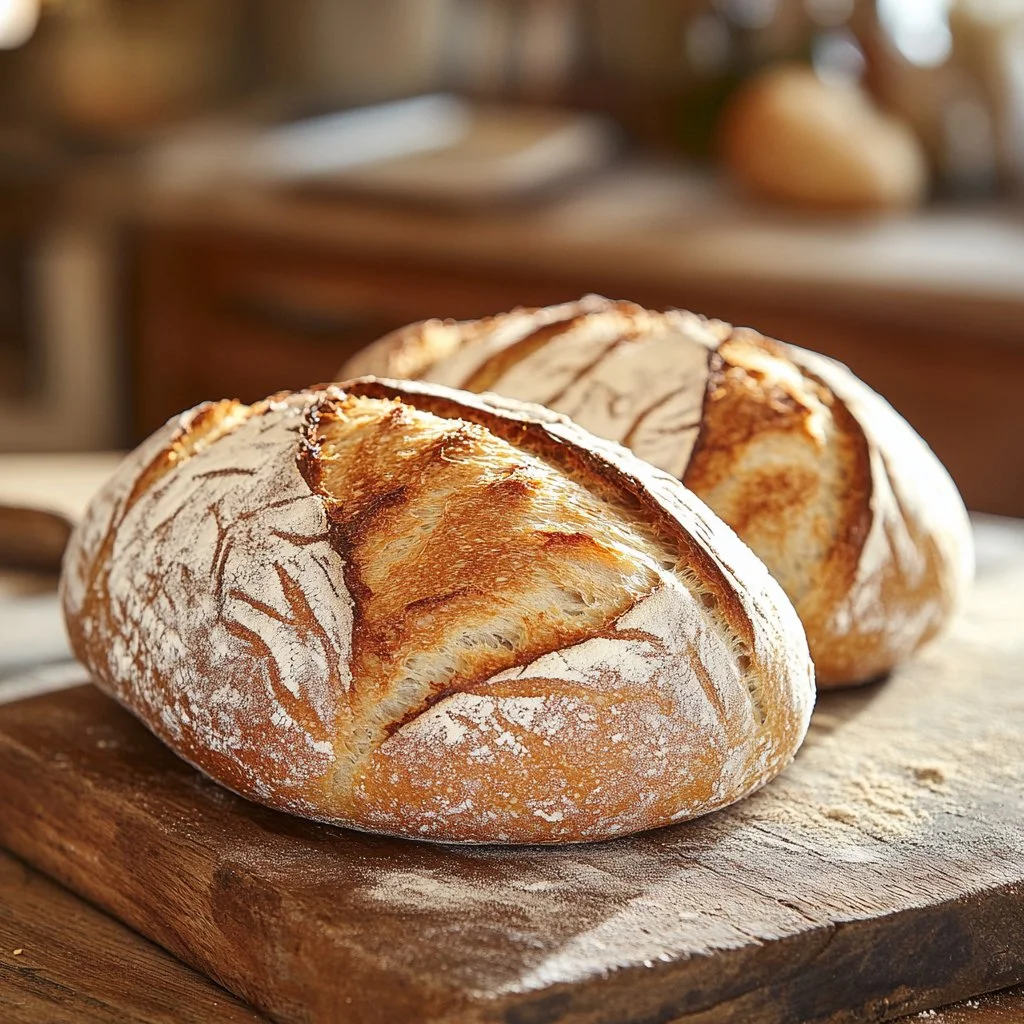
📑 Table of Contents ▶
- Understanding Soft and Chewy Sourdough Bread
- Fundamentals
- Preparation/Setup
- Directions
- Baking Soft and Chewy Sourdough Bread
- Technique
- Tips & Tricks
- Perfecting Your Sourdough Bread
- Achieving the Right Texture
- Troubleshooting Variations
- Serving and Storing Soft and Chewy Sourdough Bread
- Presentation
- Pairings & Storage
- Soft and Chewy Sourdough Bread
Soft and Chewy Sourdough Bread Recipe Perfect for Beginners
A few years ago, I found myself fascinated by the art of baking bread. I watched countless videos, hastily scribbled notes, and spent weekends experimenting in the kitchen. The process seemed daunting at first, but I quickly fell in love with the rhythm of kneading dough and watching it rise. There’s something magical about sourdough bread—its crunching crust and soft, chewy interior.
I started my sourdough journey with a simple recipe. It required only a handful of ingredients, which made it all the more appealing. As I crafted my first loaf, I felt a connection to generations of bakers who documented their techniques and passed down their secrets. The smell of freshly baked bread wafting through my home solidified my passion.
Through trial and error, I discovered that the character of sourdough bread comes not only from the technique but also from the starter itself. This living culture adds depth and unique flavor, making the bread special. With this recipe, new bakers can embrace the art of creating soft and chewy sourdough bread right in their own kitchens.
Understanding Soft and Chewy Sourdough Bread
Fundamentals
Soft and chewy sourdough bread relies on a few foundational elements. First and foremost is the sourdough starter, which acts as a natural leavening agent. With its wild yeast and bacteria, it ferments the dough, creating a distinct flavor and texture. The type of flour you choose greatly impacts the final product. Bread flour has higher protein content, making it ideal for achieving that perfect structure.
Water plays a crucial role in the dough’s hydration level. More hydration leads to a lighter crumb and chewier texture, whereas less hydration can produce denser bread. Salt enhances flavor and strengthens gluten, resulting in a well-developed dough. Understanding these fundamentals lays the groundwork for successful sourdough baking.
Preparation/Setup
Before diving into the recipe, prepare your sourdough starter. Feed it a few hours in advance, ensuring it is bubbly and active. Choose a spacious area in your kitchen to work your dough. Gather your ingredients: 4 cups of bread flour, 1 ½ cups of water, 2 teaspoons of sea salt, and ½ cup of sourdough starter. If you wish, you can include optional ingredients like chia seeds, sesame seeds, flax seeds, or herbs for added flavor.
Make sure to have the necessary tools ready: a large mixing bowl, a clean towel, a floured work surface, a proofing basket or bowl, and a Dutch oven. Being organized streamlines the process and allows you to focus on the fun aspects of baking.
Ingredients
- 4 cups bread flour (500 g): The base of our dough, providing the necessary structure.
- 1 ½ cups water (350 ml): Hydrates the flour and helps form gluten.
- 2 teaspoons sea salt (10 g): Enhances flavor and strengthens dough.
- ½ cup sourdough starter (100 g): The living culture that ferments the dough.
Optional additions for flavor:
- Chia seeds
- Sesame seeds
- Flax seeds
- Fresh or dried herbs like rosemary or thyme
- Garlic powder
- Shredded cheese
Directions
- Begin by combining the bread flour, water, sea salt, and sourdough starter in a large bowl. Mix until no dry flour remains.
- Cover the bowl with a clean towel and let the dough rest for 30 minutes. This resting period is crucial for autolyse, allowing the flour to absorb the water.
- Wet your hands and gently stretch and fold the dough around the bowl 4-5 times. Repeat this every 30 minutes for 2 hours.
- Cover the bowl again and let the dough ferment at room temperature for 4-6 hours, until it has doubled in size.
- Lightly flour your work surface and shape the dough into a round ball. Place it seam-side up in a floured proofing basket or a bowl lined with a towel.
- Cover the dough and let it rise for 1-2 hours, or refrigerate overnight for slower fermentation.
- Preheat your oven to 500°F (260°C) and place your Dutch oven inside to preheat for 30 minutes.
- Turn your dough onto parchment paper and score the top with a sharp knife to allow steam to escape. Transfer the dough to the hot Dutch oven, cover with the lid, and bake for 20 minutes.
- After 20 minutes, remove the lid and bake for another 20-25 minutes until it achieves a beautiful golden brown color.
- Let the bread cool completely on a wire rack before slicing.
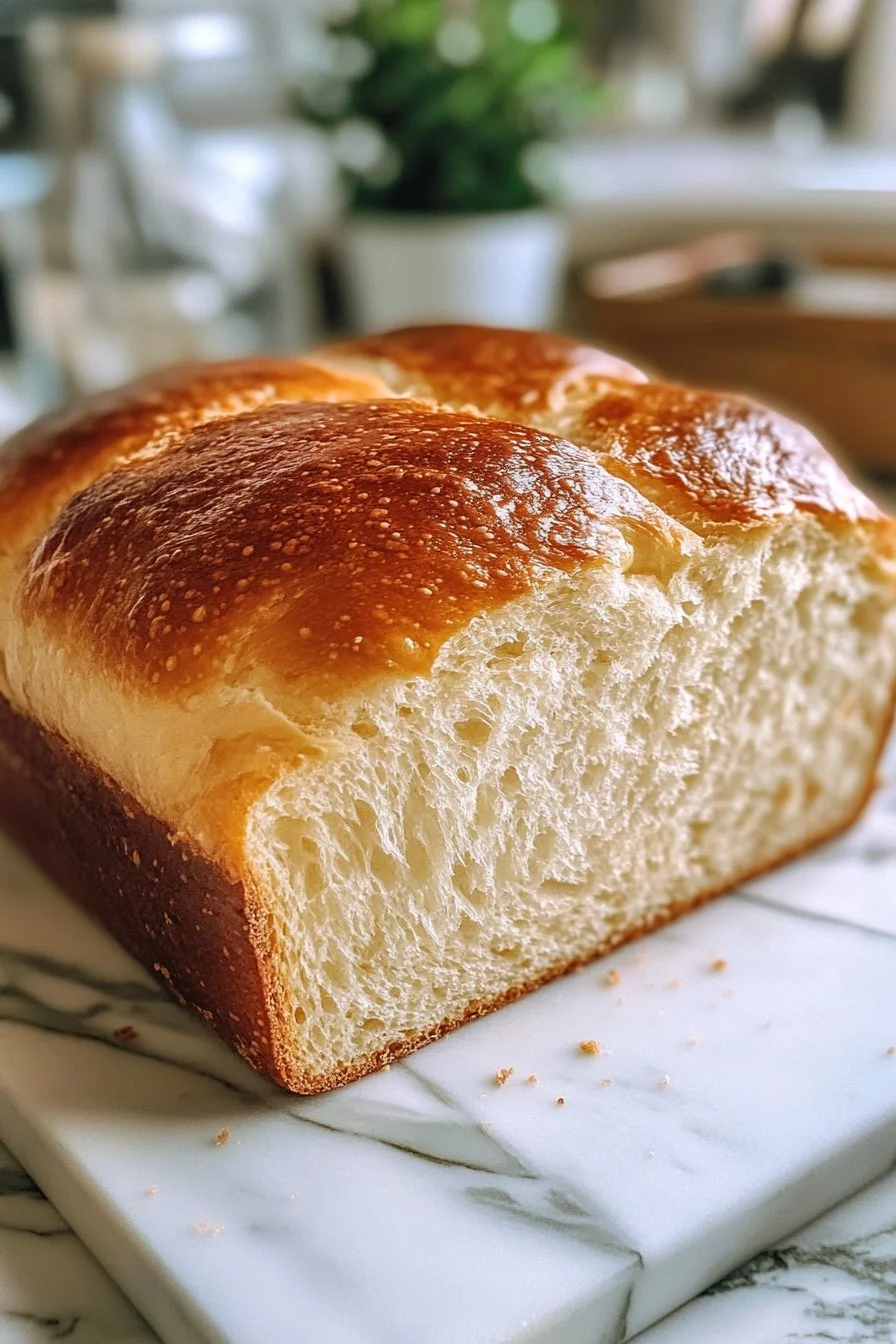
Baking Soft and Chewy Sourdough Bread
Technique
Creating soft and chewy sourdough bread requires patience and attention to detail. Begin by focusing on how you mix and handle the dough. Do not rush the stretch and fold process; it strengthens the gluten, providing the desired chewiness. Keep your hands moist to make handling the dough easier without adding too much extra flour, which can alter the dough’s hydration.
Pay attention to the fermentation times. Each kitchen has different temperatures and humidity levels that affect rising times. Using visual cues, like the dough doubling in size, will guide you better than adhering strictly to a clock.
Tips & Tricks
- Monitor Your Starter: Ensure it’s active and bubbly. A healthy starter is key to successful sourdough bread.
- Hydration Levels: Experiment with adding more water to the dough for a softer texture. Just be cautious, as it can make handling more challenging.
- Temperature: Warmer environments accelerate fermentation. If your kitchen is cool, let the dough rise longer.
- Scoring: Make confident cuts on the surface before baking to control where the bread will expand.
Perfecting Your Sourdough Bread
Achieving the Right Texture
Perfecting soft and chewy sourdough bread takes practice. Pay attention to your dough’s consistency and ensure it feels elastic yet not overly sticky. Sometimes, it may help to perform a "windowpane test," stretching a small piece of dough between your fingers. If it stretches without tearing, you’ve developed enough gluten.
As you bake more loaves, take notes on the outcomes. Each time you bake, consider how the weather or your starter’s condition may affect the bread. The more experience you gain, the better you can troubleshoot and adjust techniques to achieve your ideal loaf.
Troubleshooting Variations
Occasionally, things don’t go as planned. If your bread doesn’t rise adequately, check the activity level of your starter. It might not have been bubbly enough. For a denser loaf, consider increasing the fermentation times or adjusting your flour-to-water ratio.
If your crust is too hard, try lowering the oven temperature slightly or covering the bread to prevent excessive browning. Additionally, experimenting with different flours, like whole wheat or rye, can create diverse flavors and textures in your sourdough bread.
Serving and Storing Soft and Chewy Sourdough Bread
Presentation
After the cooling period, slice your sourdough bread carefully using a serrated knife. Showcase its beautifully baked crust and soft, airy crumb. Serve slices alongside flavorful accompaniments such as olive oil, homemade dips, or even salads. A thick slice makes for an excellent base for sandwiches or toast.
Pairings & Storage
Freshly baked sourdough bread pairs wonderfully with many dishes. Use it for hearty soups, salads, or as an elegant addition to charcuterie boards. Store any leftover bread in a paper bag at room temperature for up to 3 days. For longer storage, wrap it in plastic wrap and place it in the freezer for up to a month. When ready to enjoy, simply thaw and reheat for that freshly-baked experience.
Soft and chewy sourdough bread becomes a staple that elevates everyday meals and gatherings. Embarking on this baking adventure allows you to connect with food in a meaningful way, all while indulging in delicious homemade goodness.
Print
Soft and Chewy Sourdough Bread
- Prep Time: 60 minutes
- Cook Time: 45 minutes
- Total Time: 105 minutes
- Yield: 1 loaf
- Category: Bread
- Method: Baking
- Cuisine: American
- Diet: Vegetarian
Description
A beginner-friendly recipe for crafting soft and chewy sourdough bread at home.
Ingredients
- 4 cups bread flour (500 g)
- 1 ½ cups water (350 ml)
- 2 teaspoons sea salt (10 g)
- ½ cup sourdough starter (100 g)
- Optional: chia seeds, sesame seeds, flax seeds, fresh or dried herbs, garlic powder, shredded cheese
Instructions
- In a large bowl, combine the bread flour, water, sea salt, and sourdough starter. Mix until no dry flour remains.
- Cover the bowl with a clean towel and let the dough rest for 30 minutes.
- Wet your hands and gently stretch and fold the dough in the bowl 4-5 times, repeating this every 30 minutes for two hours.
- Cover the bowl again and let the dough ferment at room temperature for 4-6 hours until doubled in size.
- Lightly flour your work surface and shape the dough into a round ball. Place it seam-side up in a floured proofing basket or bowl lined with a towel.
- Cover the dough and let it rise for 1-2 hours, or refrigerate overnight for slower fermentation.
- Preheat your oven to 500°F (260°C) and place your Dutch oven inside to preheat for 30 minutes.
- Turn your dough onto parchment paper, score the top with a sharp knife, and transfer to the hot Dutch oven. Cover and bake for 20 minutes.
- Remove the lid and bake for an additional 20-25 minutes until golden brown.
- Let the bread cool completely on a wire rack before slicing.
Notes
Ensure your sourdough starter is bubbly and active for best results. Experiment with hydration levels and ingredients for different textures and flavors.