
📑 Table of Contents ▶
- Soft Brioche Bread: Understanding the Basics
- Fundamentals
- Preparation/Setup
- Directions
- Soft Brioche Bread: Mastering Techniques for Success
- Technique
- Tips & Tricks
- Soft Brioche Bread: Perfecting the Recipe
- Perfecting Results
- Troubleshooting/Variations
- Soft Brioche Bread: Serving Ideas and Storage Tips
- Serving & Presentation
- Pairings & Storage
- Conclusion
Soft Brioche Bread
The smell of freshly baked brioche wafts through the kitchen every Sunday morning at my childhood home. Soft brioche bread became a weekly ritual, the perfect start to family brunches. I remember the warmth of the dough as my mother kneaded it on the countertop, her fingers working it into the perfect consistency. The simple joy of tearing into a slice of warm brioche, its buttery richness melting in my mouth, is a memory forever cherished.
Creating soft brioche bread is not just about the final loaf but the entire process. The act of mixing, kneading, and waiting for the dough to rise built anticipation. Today, I share this recipe to help you recreate those delightful memories. This bread isn’t just for breakfast; it can elevate any meal with its tender crumb and subtly sweet flavor. With just a few ingredients, you can master the art of brioche at home.
Let’s dive into making soft brioche bread that will remind you of those cherished moments and bring a little warmth to your kitchen.
Soft Brioche Bread: Understanding the Basics
Fundamentals
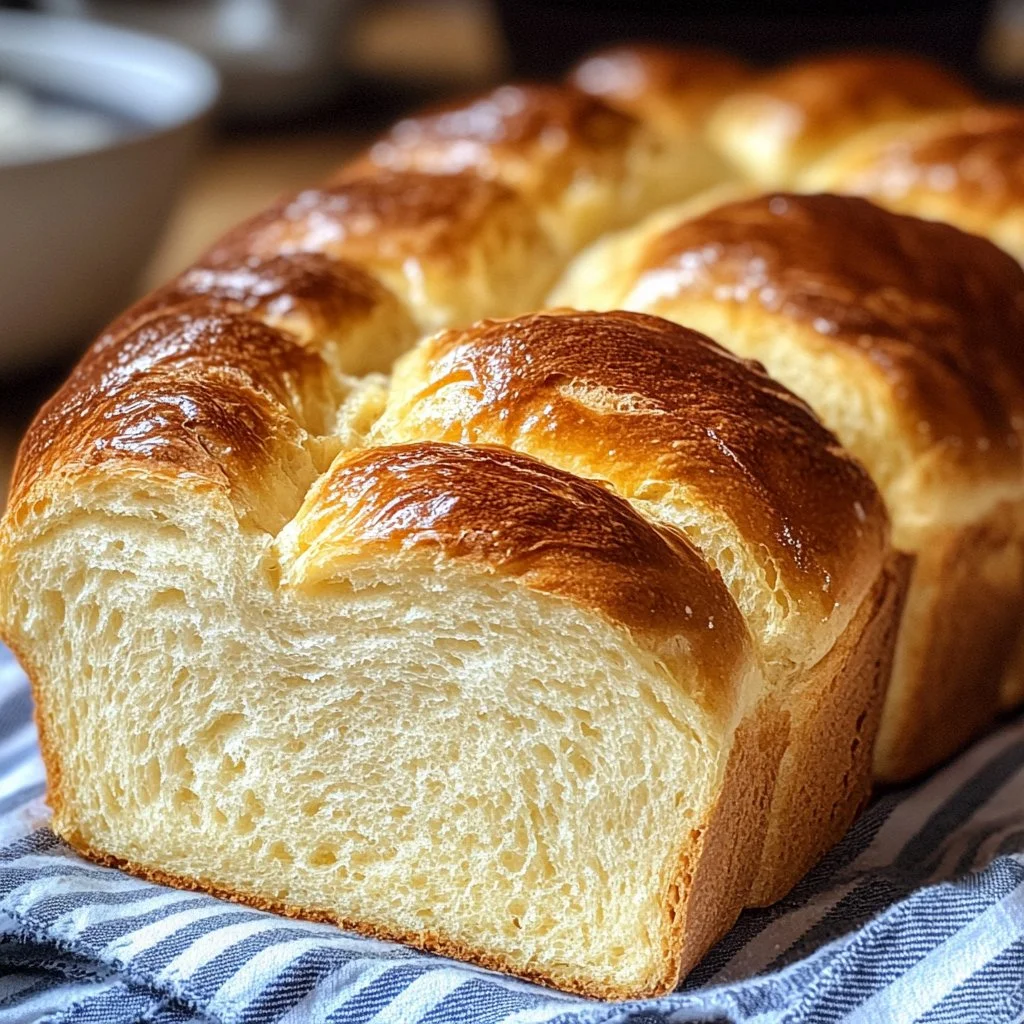
Soft brioche bread stands out with its buttery flavor, delicate crumb, and rich texture. It’s a bread that folds beautifully into any meal, whether it’s breakfast, lunch, or even dessert. The rise of soft brioche bread is due to the balance of ingredients, specifically flour, butter, eggs, milk, and sugar. Each element plays a crucial role in developing the signature fluffiness characteristic of this bread.
Choosing your flour is an essential step; all-purpose flour will work but using bread flour can add a delightful chewiness. Yeast brings the bread to life, allowing it to rise perfectly. Softening the butter and warming the milk helps integrate these ingredients during the mixing process, ensuring a smooth and even dough.
Preparation/Setup
Before diving into the actual baking, setting up your workspace makes the process more enjoyable. Gather all the ingredients to streamline your workflow. Measure out 4 cups of flour, 1/4 cup of sugar, a packet of active dry yeast, and 1 teaspoon of salt. Warm half a cup of whole milk to about 110°F, and have your eggs and butter ready at room temperature.
A clean countertop or large mixing bowl serves as your workspace. Using a stand mixer with a dough hook can simplify the mixing and kneading processes. If you don’t have one, a wooden spoon and your hands work just fine! This preparation lays the foundation for success in creating soft brioche bread.
Ingredients
Here’s a closer look at the essential ingredients for transforming your kitchen into a bakery.
- 4 cups all-purpose or bread flour
- 1/4 cup granulated sugar
- 1 packet (2 1/4 tsp) active dry yeast
- 1 tsp salt
- 1/2 cup whole milk (warmed to about 110°F)
- 4 large eggs (room temperature)
- 1/2 cup unsalted butter (softened and cut into chunks)
- 1 egg (for egg wash)
- 1 tbsp milk (for egg wash)
Each component contributes to the soft texture and indulgent flavor of the brioche, making them indispensable to the recipe’s success.
Directions
-
Activate the Yeast: Combine the warm milk, sugar, and yeast in a small bowl. Let it sit for about 5-10 minutes until foamy.
-
Mix the Dough: In a large mixing bowl, add flour and salt. Create a well in the center and pour in the activated yeast mixture, followed by the eggs. Mix until the dough starts to come together.
-
Knead the Dough: Transfer the dough to a floured surface. Knead for about 10 minutes, adding in the softened butter gradually, until the dough is smooth and elastic.
-
First Rise: Place the dough in a greased bowl, cover with a damp towel or plastic wrap. Allow it to rise in a warm environment for about 1-2 hours, or until it doubles in size.
-
Shape the Loaf: Punch down the dough gently and turn it out onto a floured surface. Shape it into a loaf and place it in a greased loaf pan.
-
Egg Wash & Bake: In a small bowl, whisk together the egg and tablespoon of milk. Brush the mixture over the loaf. Preheat the oven to 350°F and let the dough rise for another 30-45 minutes. Bake for 25-30 minutes, or until golden brown.
-
Cool & Serve: Remove the loaf from the oven and let it cool in the pan for about 10 minutes before transferring to a wire rack to cool completely.
Soft Brioche Bread: Mastering Techniques for Success
Technique
Baking soft brioche bread requires understanding the science behind your ingredients. Kneading the dough activates the gluten, creating a network that traps the gas produced by the yeast. This gluten network gives brioche its lovely structure and lightness.
Adjusting your kneading time can alter your final product. Knead just enough to create smooth, elastic dough — typically about 10 minutes. Over-kneading can make the bread tough. Monitor the dough’s texture closely; it should be slightly tacky but not overly sticky.
Tips & Tricks
To achieve the best results with your soft brioche bread, consider these tips. Ensure your yeast is alive and active; a quick test involves checking whether it foams in warm milk. This guarantees that your bread rises beautifully.
Temperature plays a critical role in fermentation. If your kitchen is cold, consider placing the dough in an oven with the light on to create warmth. Patience is key; allow your dough to rise fully for the best flavor and texture.
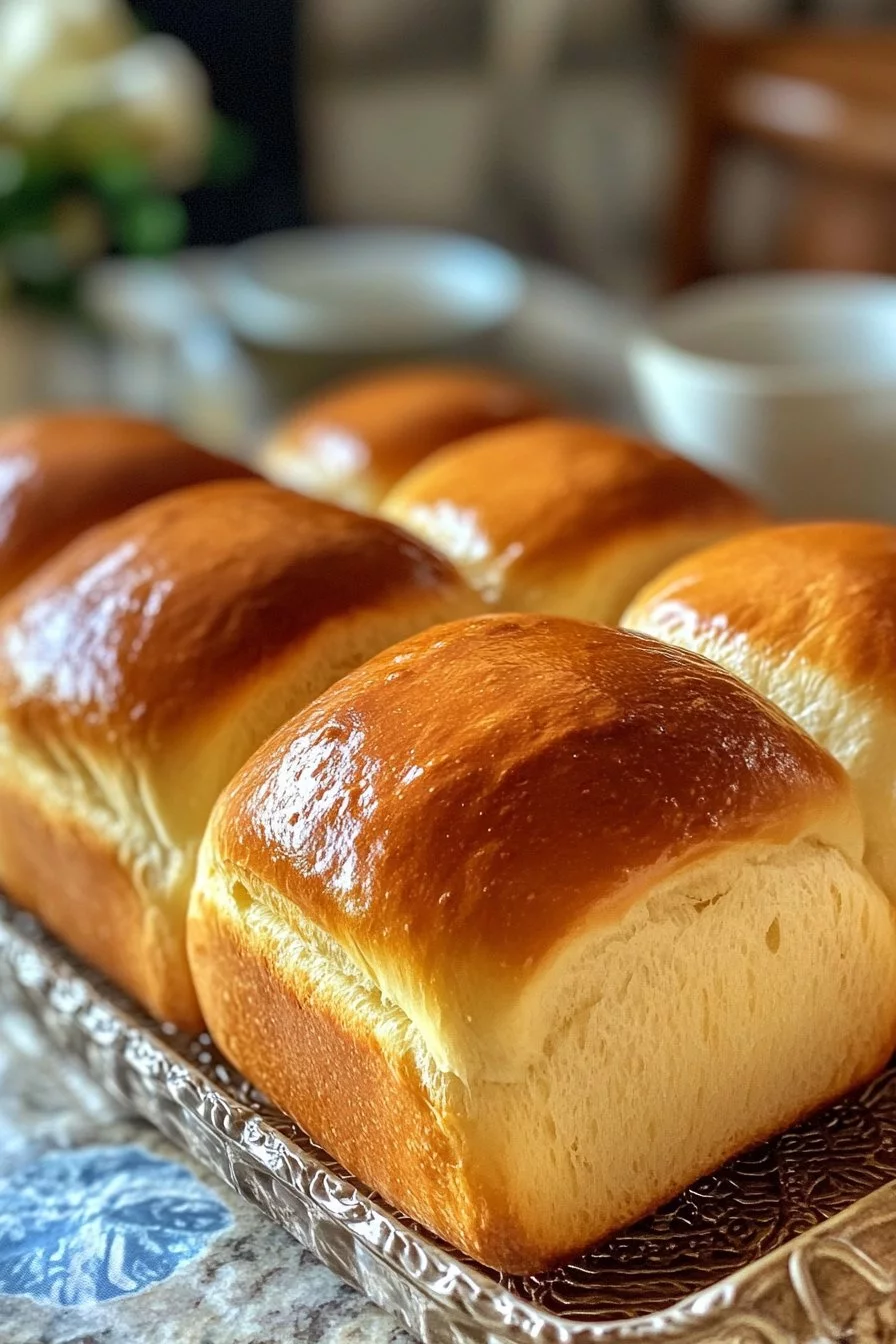
When shaping the loaf, be gentle to maintain the air bubbles formed during the first rise; this keeps the bread soft. Lastly, don’t skip the egg wash; it gives your brioche that beautiful golden-brown finish.
Soft Brioche Bread: Perfecting the Recipe
Perfecting Results
Achieving soft brioche bread takes practice, but keep these guidelines in mind to perfect your technique. Consistency in measurements matters. Use a kitchen scale for precise flour measurement, ensuring accuracy in your ingredients.
Past experiences may guide you on adjusting your rising times based on the specifics of your kitchen environment. A warm day might require less time for the first rise, while a chilly room might need more.
Testing for doneness involves tapping the bottom of the loaf; it should sound hollow. Your bread must also reach an internal temperature of about 190°F to ensure it’s fully baked without being dry.
Troubleshooting/Variations
Every baker experiences hiccups along the way. If your brioche bread doesn’t rise as expected, ensure your yeast is fresh and your ingredients were at the right temperature. A flat loaf could indicate insufficient kneading or a too-cool rise area.
Don’t hesitate to experiment with your brioche recipe. Adding ingredients like vanilla for a touch of sweetness or herbs for savory options can transform your brioche into a versatile base for various dishes. For example, using lemon zest or orange peel can infuse delightful flavors into your bread.
Soft Brioche Bread: Serving Ideas and Storage Tips
Serving & Presentation
Soft brioche bread serves wonderfully warm right out of the oven. Slice it and serve with butter and jam for a simple breakfast or brunch option. For a more elaborate presentation, try cutting thick slices for French toast or bread pudding, showcasing the brioche’s lovely crumb.
Consider toasting slices, spreading them with nut butter, or adding fresh fruit for a colorful brunch plate. Brioche also pairs well with cheeses, making it an excellent choice for brunch boards.
Pairings & Storage
Storing soft brioche bread requires gentle care to maintain its soft texture. After cooling completely, wrap the loaf tightly in plastic wrap or aluminum foil to prevent drying out. Storing it at room temperature allows it to stay fresh for up to three days.
For longer storage, cut the bread into slices and freeze. This way, you can enjoy soft brioche bread whenever the craving strikes, simply thawing your slices at room temperature or toasting them for a delightful treat.
Conclusion
Soft brioche bread embodies warmth, nostalgia, and joy right in your kitchen. The process from mixing to kneading creates a bond, not only with the ingredients but with the delightful memories attached to baking. Every bite transports you to a simpler time, making brioche not just a recipe but a cherished experience. Embracing this homemade version brings a sense of accomplishment. Enjoy the fruits of your labor, allowing soft brioche bread to become a part of your traditions.
Print
Soft Brioche Bread
- Prep Time: 30 minutes
- Cook Time: 30 minutes
- Total Time: 60 minutes
- Yield: 10 servings
- Category: Bread
- Method: Baking
- Cuisine: French
- Diet: Vegetarian
Description
A delightful and buttery soft brioche bread, perfect for all meals, capturing the joy of family brunches.
Ingredients
- 4 cups all-purpose or bread flour
- 1/4 cup granulated sugar
- 1 packet (2 1/4 tsp) active dry yeast
- 1 tsp salt
- 1/2 cup whole milk (warmed to about 110°F)
- 4 large eggs (room temperature)
- 1/2 cup unsalted butter (softened and cut into chunks)
- 1 egg (for egg wash)
- 1 tbsp milk (for egg wash)
Instructions
- Activate the Yeast: Combine the warm milk, sugar, and yeast in a small bowl. Let sit for about 5-10 minutes until foamy.
- Mix the Dough: In a large mixing bowl, add flour and salt. Create a well in the center and pour in the activated yeast mixture, followed by the eggs. Mix until the dough starts to come together.
- Knead the Dough: Transfer to a floured surface. Knead for about 10 minutes, gradually adding the softened butter until the dough is smooth and elastic.
- First Rise: Place the dough in a greased bowl, cover, and let rise in a warm environment for 1-2 hours, or until doubled in size.
- Shape the Loaf: Punch down the dough gently, turn out onto a floured surface, shape into a loaf, and place in a greased loaf pan.
- Egg Wash & Bake: Whisk together the egg and tablespoon of milk. Brush over the loaf, let rise for another 30-45 minutes, then bake at 350°F for 25-30 minutes until golden brown.
- Cool & Serve: Let cool in the pan for 10 minutes before transferring to a wire rack to cool completely.
Notes
For best results, ensure your yeast is active and use room temperature ingredients. Adjust rising times based on your kitchen environment.