
📑 Table of Contents ▶
- Part 1 — The Basics of Same Day Sourdough Bread
- Fundamentals
- Preparation/setup
- Directions
- Part 2 — Mastering Your Same Day Sourdough Craft
- Technique
- Tips/tricks
- Part 3 — Perfecting Results in Your Baked Sourdough Loaf
- Perfecting results
- Troubleshooting/variations
- Part 4 — Serving your delicious Sourdough
- Serving/presentation
- Pairings/storage
- Conclusion
- Same Day Sourdough Bread by Dinnertime
How to Make Same Day Sourdough Bread by Dinnertime
Making sourdough bread often requires a multi-day process, but you can enjoy a fresh loaf by dinnertime if you plan ahead. One evening, I decided to surprise my family with homemade sourdough, but the daunting thought of waiting for days to let the dough ferment filled my mind. I thought, wouldn’t it be great to have this delicious, crusty bread ready for dinner that very day?
With just a bit of preparation and some carefully timed steps, I transformed my vision into a reality. The tangy aroma of sourdough filling the kitchen while my family gathered for dinner was worth the effort. Each bite of the warm bread reminded us all that good food brings people together, making our mealtime even more special.
Whether you’re a beginner or a seasoned baker, making same day sourdough bread can become a cherished tradition in your house. The steps may seem extensive, but each one builds on the last, turning simple ingredients into something truly spectacular by the time dinnertime arrives.
Part 1 — The Basics of Same Day Sourdough Bread
Fundamentals
Sourdough bread relies on a balance of time and temperature to develop flavor and texture. Generally, bakers mix bread flour and water to create a dough, and then introduce an active sourdough starter for leavening. By strategically timing each step, you can create a delicious loaf in a single day.
Understanding the role of each ingredient is crucial. The bread flour gives structure and strength, while the whole wheat flour adds depth of flavor and nutrition. The water hydrates the flour, activating the gluten and enhancing the final product. The salt not only flavors the bread but also strengthens the dough and controls fermentation.
Preparation/setup
The day before baking, feeding your starter on time is crucial. This night-before step ensures you have a bubbly and active starter ready to work its magic the next morning. You will mix the dough bright and early, allowing you to take full advantage of your active starter.
Gathering your ingredients beforehand streamlines your process. You will need 1/2 cup of bread flour, 1/2 cup of whole wheat flour, 1 – 1/2 cups of water, 450 grams of bread flour, and 10 grams of salt, along with 100 grams of your active sourdough starter and 307 grams of water. With everything in place, you can confidently begin your baking journey.
Ingredients
A successful same day sourdough bread recipe includes:
- 1/2 cup bread flour
- 1/2 cup whole wheat flour
- 1 – 1/2 cups water
- 450 g bread flour
- 10 g salt
- 100 g active sourdough starter
- 307 g water
Each ingredient contributes to the overall flavor and texture, so it’s important not to skip any. Prepare these ingredients in advance for an easier mixing process.
Directions
- Feed Your Starter: Before bed the night before, prepare your active sourdough starter. Ensure it is healthy and frothy by morning.
- Mix the Dough: First thing in the morning, combine the bread flour, whole wheat flour, water, and your sourdough starter in a large bowl.
- Strengthen with Stretch & Folds: Perform several sets of stretch and fold to build structure in the dough over the next hour.
- Bulk Fermentation: Let the dough rise during your workday. Aim for 4-5 hours, or until it doubles in size.
- Shape the Dough: After bulk fermentation, gently shape the dough into a round or oval loaf.
- Final Proof: While this step is optional, allowing the dough to rest for 30-45 minutes can enhance the final texture.
- Score and Bake: Preheat your oven in the evening and prepare to bake your loaf. After scoring, place the dough in the oven for a perfect bake.
Part 2 — Mastering Your Same Day Sourdough Craft
Technique
The technique of making sourdough bread isn’t overly complicated, but it requires patience and precision. Each step in the process holds significance. Mixing the dough creates the foundation, while the stretch and fold technique increases gluten strength. This gluten development helps trap the gases produced during fermentation, leading to a light and airy loaf.
Bulk fermentation is another vital step. During this time, the dough will rise and develop flavor. Keep an eye on its size; it should roughly double. Over-proofing can lead to a dense loaf, so be mindful of timing.
Tips/tricks
Making sourdough can feel intimidating, but a few tips can elevate your baking. First, ensure your sourdough starter is active and bubbly for the best results. This will contribute to the rise of your bread.
Use warm water to help the dough mixtures activate more quickly. The right water temperature can make a significant difference in fermentation times. Don’t rush the bulk fermentation; let the dough do its thing.
Keep in mind that hydration levels impact the texture of the sourdough. If your dough feels excessively sticky, you may have a higher hydration level. In this case, adjust the flour-water ratio in future attempts for more manageable dough.
Part 3 — Perfecting Results in Your Baked Sourdough Loaf
Perfecting results
To achieve the best results, you’ll need to monitor several factors. Always weigh your ingredients for accuracy. This ensures biscuit-like reliability with each loaf. A kitchen scale simplifies measuring and can elevate the outcome of your sourdough bread.
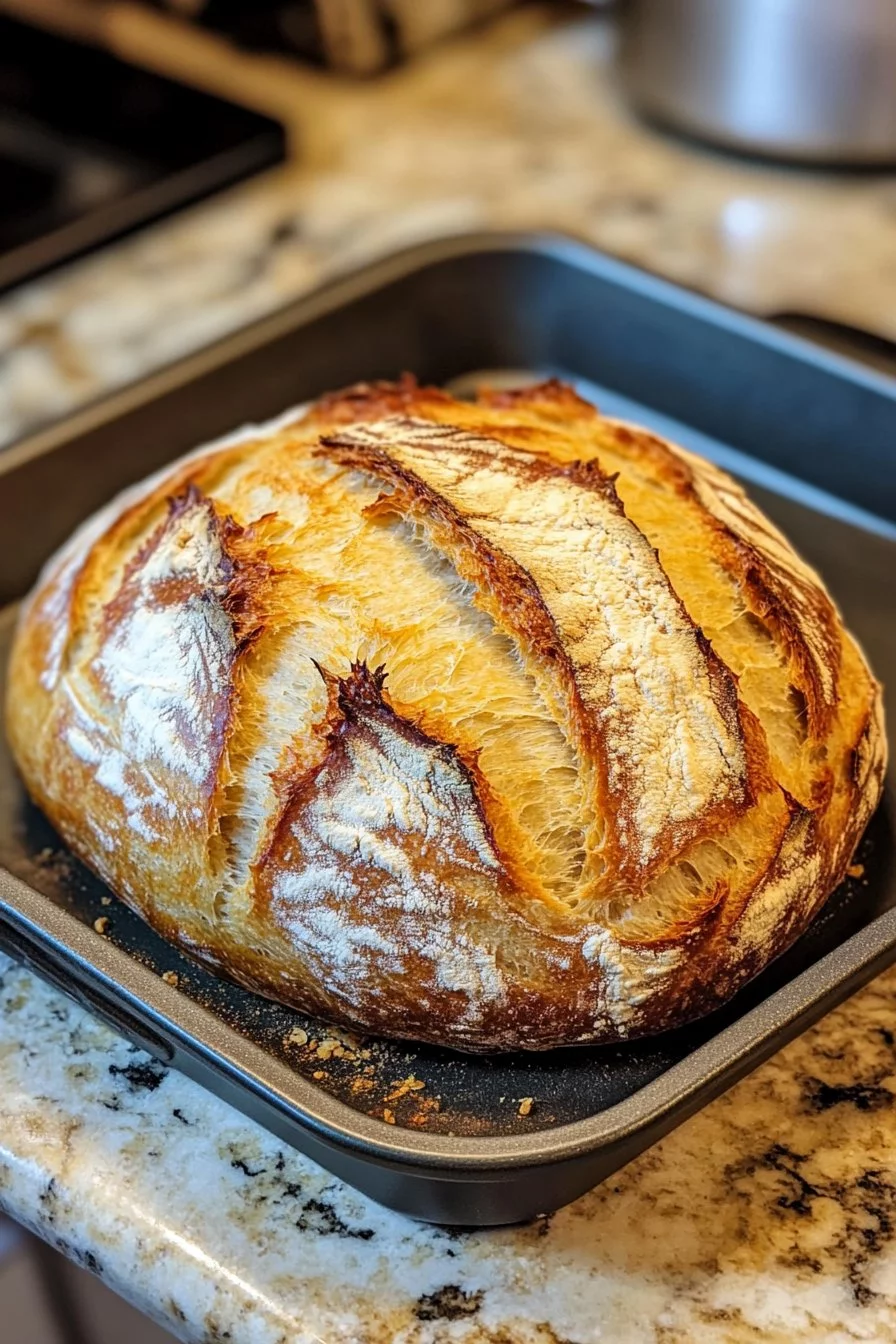
Using a Dutch oven for baking creates steam that helps achieve a beautiful crust. Preheating the pot ensures the loaf rises immediately as it enters the oven, promoting better oven spring.
After baking, let your sourdough cool fully before slicing. This allows the crumb structure to set, ensuring perfect slices without crushing the bread.
Troubleshooting/variations
Sometimes, things don’t go as planned. If your bread doesn’t rise as much as expected, it might be due to an inactive starter. Consult its feeding schedule and ensure it’s bubbly and frothy before mixing your dough.
If you find the loaf too dense or gummy, assess your kneading technique. Proper gluten development is key. Adjusting water levels can also impact texture. If you prefer a chewier bread, consider adding a bit of vital wheat gluten to strengthen your dough.
Adding seeds or herbs can provide a flavorful twist. Experiment with your favorite ingredients to create variations in taste and texture.
Part 4 — Serving your delicious Sourdough
Serving/presentation
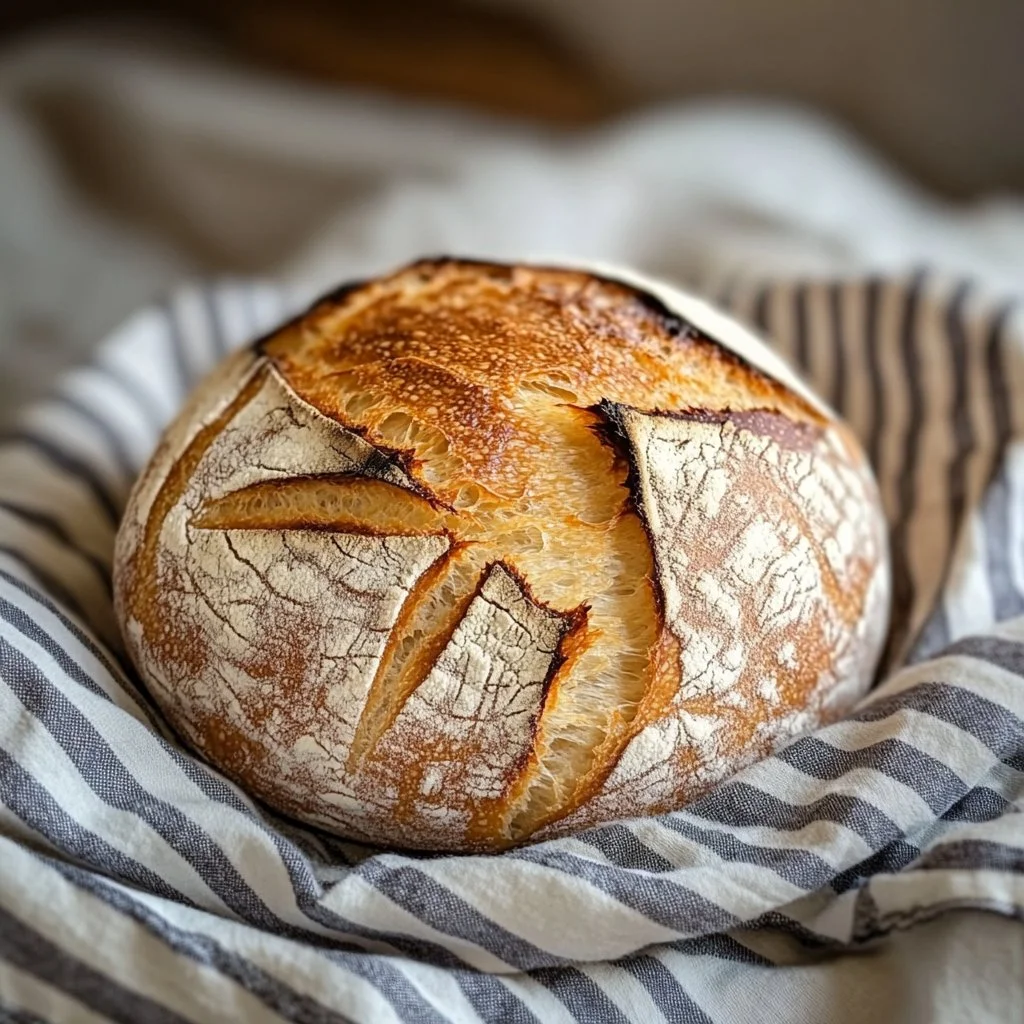
Once your same day sourdough bread is ready, the presentation matters. Place the loaf on a wooden board or a simple cloth. A rustic presentation enhances the homemade appeal, inviting guests to dig in.
Serve slices of this warm bread alongside a variety of spreads like butter or homemade seasoning blends. Every bite can become a delightful experience, enhancing both the flavors of your meal and your gathering.
Pairings/storage
For serving, consider pairing your sourdough with salads, soups, or as the base for gourmet sandwiches. Such accompaniments will complement the flavors without overpowering them.
Storing your sourdough correctly prevents it from drying out. Wrap the loaf in a cotton cloth and place it in a bread box for optimal freshness. Alternatively, if you need to save some for later, slice it and freeze the loaf, allowing you to enjoy a piece whenever you crave that homemade goodness.
Conclusion
Creating same day sourdough bread by dinnertime captures the essence of home baking and brings families together. From the active starter to the final bake, each step plays a role in crafting a flavor-packed loaf. Enjoying this warm bread fresh from the oven creates memories that extend beyond the meal. The process reminds us that good food is not just about taste, but about connection and comfort.
Print
Same Day Sourdough Bread by Dinnertime
- Prep Time: 15 minutes
- Cook Time: 60 minutes
- Total Time: 75 minutes
- Yield: 1 loaf
- Category: Bread
- Method: Baking
- Cuisine: Baking
- Diet: Vegetarian
Description
Enjoy fresh, homemade sourdough bread in a single day with this easy-to-follow recipe that brings the delightful aroma of baking to your kitchen.
Ingredients
- 1/2 cup bread flour
- 1/2 cup whole wheat flour
- 1 1/2 cups water
- 450 g bread flour
- 10 g salt
- 100 g active sourdough starter
- 307 g water
Instructions
- Feed Your Starter: Prepare your active sourdough starter before bed and ensure it’s healthy and frothy by morning.
- Mix the Dough: Combine the bread flour, whole wheat flour, water, and sourdough starter in a large bowl first thing in the morning.
- Strengthen with Stretch & Folds: Perform several sets of stretch and fold to build structure in the dough over the next hour.
- Bulk Fermentation: Let the dough rise during your workday for 4-5 hours, or until it doubles in size.
- Shape the Dough: Gently shape the dough into a round or oval loaf after bulk fermentation.
- Final Proof: (Optional) Allow the dough to rest for 30-45 minutes to enhance texture.
- Score and Bake: Preheat your oven in the evening, score the loaf, and bake for a perfect finish.
Notes
Use warm water for better activation of the dough. Store leftovers properly to keep the bread fresh.