
📑 Table of Contents ▶
- Understanding Ramen Eggs: The Essentials
- Fundamentals
- Preparation/Setup
- Directions
- The Science Behind Ramen Eggs: Technique Is Key
- Technique
- Tips/Tricks
- Perfecting Your Ramen Eggs: Achieving the Best Results
- Perfecting Results
- Troubleshooting/Variations
- Serving Ramen Eggs: Presentation Matters
- Serving/Presentation
- Pairings/Storage
- Conclusion
Ramen Eggs (Ajitama)
A cozy bowl of ramen is never complete without the addition of perfectly marinated ramen eggs, or ajitama. I remember the first time I tried ramen eggs at a little noodle shop. The rich, gooey yolk paired with the umami of the broth was a revelation. I often find myself craving the harmony of flavors that these eggs bring to every bite.
Making ramen eggs at home feels like unlocking a secret. Once I discovered this recipe, it became a go-to addition to my meals. With just a few ingredients, these gems of flavor transform my homemade ramen into something extraordinary. The soft-boiled technique and delectable marinade create a layer of taste that enhances every dish they grace.
Ramen eggs stand out for their ability to elevate a simple meal into a culinary delight. Whether served over hot steaming noodles, as a side to a savory dish, or even on their own, they’re irresistible. This recipe ensures that you not only master the technique but also understand the little tips and tricks that make all the difference. Get ready to impress your family and friends with these delectable creations!
Understanding Ramen Eggs: The Essentials
Fundamentals
Ramen eggs, also known as ajitama, are a celebrated accompaniment to ramen. The essence of these eggs lies in their perfect balance of texture and flavor. Achieving this requires boiling eggs to the ideal soft-boiled consistency, allowing the yolk to remain creamy while the whites add structure.
The marination process is equally important. A mix of soy sauce, mirin, and sugar creates a rich umami profile that seeps into the delicate egg whites. This balance of seasoning ties it all together and elevates the overall taste of your ramen experience.
Preparation/Setup
Before diving into the cooking process, gather your ingredients. The main components include large eggs, light sodium soy sauce, mirin, sugar, and water. Measuring everything beforehand simplifies the cooking experience.
Utilize a medium-sized pot for boiling the eggs and an ice bath for cooling. This setup ensures a smooth transition from cooking to marinating. Remember, the quality of the eggs plays a role in the final outcome, so choose fresh eggs for the best results.
Ingredients
- 6 large eggs (note: fresh eggs yield better results)
- Vinegar (optional for boiling)
- ½ cup light sodium soy sauce
- ¼ cup water
- ¼ cup mirin
- 2 tablespoons granulated sugar
Directions
-
Boil the Eggs: Bring a pot of water to a rolling boil. Gently place the eggs into the boiling water. For a perfect soft-boiled egg, let them cook for 6 minutes. Adding vinegar to the boiling water can help with peeling if you prefer.
-
Shock in Ice Water: After 6 minutes, carefully remove the eggs and transfer them to a bowl of ice water. This shocking technique halts further cooking and makes peeling easier. Soak for about 15 minutes.
-
Make the Marinade: While the eggs cool, combine soy sauce, water, mirin, and sugar in a bowl. Mix until the sugar fully dissolves. Transfer to a marinating container if necessary.
-
Marinate the Eggs: Once the eggs have cooled, crack and peel them. Rinse under water if needed to remove any bits of shell. Place the peeled eggs in the prepared marinade. Ensure they are fully submerged, or rotate them occasionally for even seasoning.
-
Time to Soak: Let the eggs marinate for at least 8 hours, but overnight is best. The longer they soak, the richer the flavor will become.
-
Enjoy: Once marinated, savor these eggs in your ramen, as a side, or even as a tasty snack. If you have leftovers, remove them from the marinade after 12 to 36 hours, depending on your flavor preference.
The Science Behind Ramen Eggs: Technique Is Key
Technique
The technique employed in making ramen eggs is crucial for achieving that ideal soft-boiled texture. Start by ensuring your water is boiling hot all the way through before adding the eggs. This ensures even cooking.
The timing is everything. Cooking them for precisely 6 minutes is essential for achieving the perfect yolk consistency. Any longer can result in a firmer yolk, which, while still tasty, won’t have that signature creamy center.
Tips/Tricks
A few small tricks can take your ramen eggs from good to great. Add vinegar to the boiling water as mentioned earlier. This not only assists with peeling but also helps maintain the integrity of the egg white during boiling.
For even easier peeling, consider gently rolling the eggs on the countertop after boiling to crack the shell without damaging the egg inside. Lastly, keeping the eggs submerged in the marinade by using a small weight, like a plate, can ensure consistent flavor distribution.
Perfecting Your Ramen Eggs: Achieving the Best Results
Perfecting Results
To perfect your ramen eggs, focus on consistency in every step. Use the same technique each time to gauge results accurately. If you want to experiment, try slight adjustments with the marinating time or ingredients in the marinade.
These adjustments allow you to adapt the flavor to your taste. Some might prefer a sweeter marinade, while others might go for a saltier finish. Document what works for you, and over time, you will develop a recipe tailored to your palate.
Troubleshooting/Variations
Not every batch will emerge perfectly the first time. If you find the eggs are difficult to peel, that could indicate they weren’t fresh enough or haven’t been cooled quickly enough in the ice bath.
If the flavor lacks punch after marinating, consider extending the soak time or adjusting the ratio of soy sauce to mirin. Each variation can lead you to a new discovery while enhancing your ramen experience.
Serving Ramen Eggs: Presentation Matters
Serving/Presentation
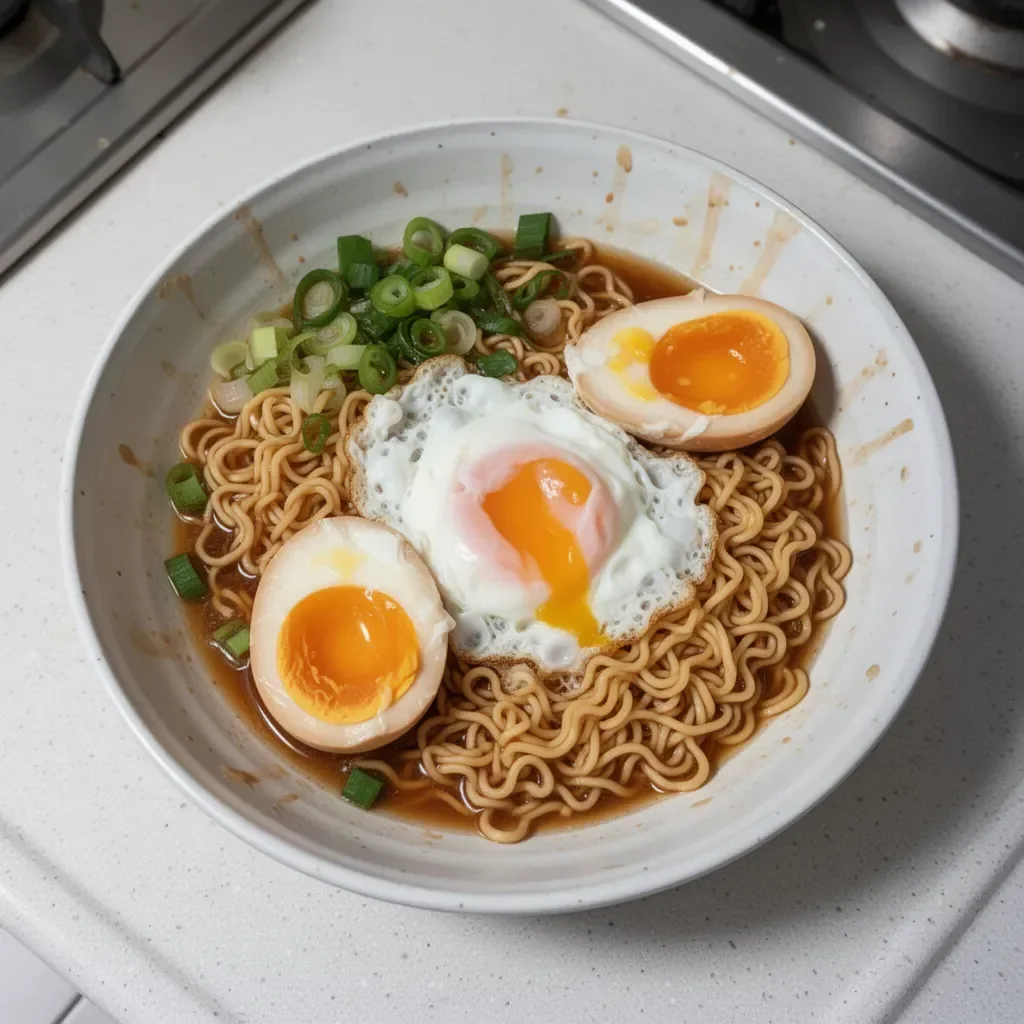
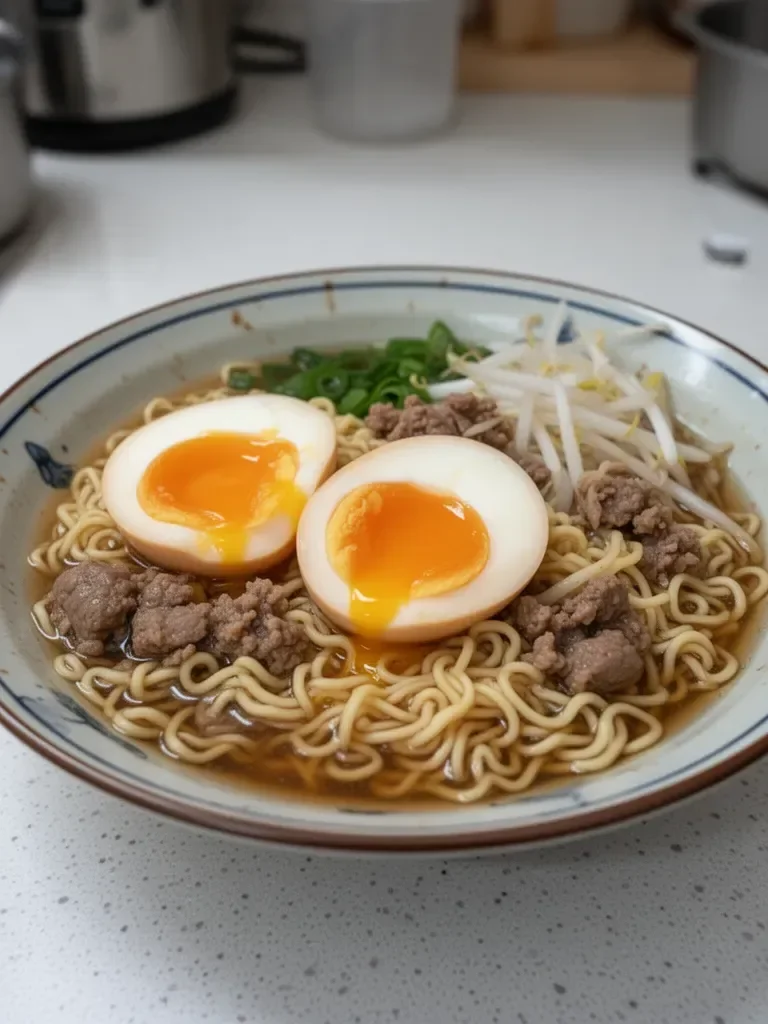
Presentation adds an extra layer of enjoyment to the dish. Slice the marinated eggs in half, showcasing the vibrant yellow yolk. Serve them perched atop a steaming bowl of ramen or on a small plate beside it.
A sprinkle of sesame seeds or sliced green onions as a garnish enhances the visual appeal and provides additional flavor. The goal is to create a dish that is not just delicious but also beautiful.
Pairings/Storage
Ramen eggs pair wonderfully with various dishes beyond ramen. They serve as a delightful side with rice dishes, or can elevate salads with their creamy texture. Experiment with how you integrate them into your meals.
For storage, keep marinated eggs in an airtight container in the refrigerator. They’re best consumed within a few days, though they can last up to a week when stored properly. Remember, the longer you leave them in the marinade, the more intense their flavor will become.
Conclusion
Ramen eggs stand as a testament to the beauty of simple ingredients transforming into something extraordinary. With careful preparation, perfect timing, and a little patience, you can create an unforgettable element for your ramen dishes. This recipe offers a delightful journey into homemade culinary experiences, promising joy with every savory bite. Enjoy crafting these delicious additions to your meals!
Print
Ramen Eggs (Ajitama)
- Prep Time: 15 minutes
- Cook Time: 6 minutes
- Total Time: 8 hours 21 minutes
- Yield: 4 servings
- Category: Side Dish
- Method: Boiling
- Cuisine: Japanese
- Diet: Vegetarian
Description
Perfectly marinated soft-boiled ramen eggs, known as ajitama, add richness and umami to every bowl of ramen.
Ingredients
- 6 large eggs (fresh eggs yield better results)
- ½ cup light sodium soy sauce
- ¼ cup water
- ¼ cup mirin
- 2 tablespoons granulated sugar
- Vinegar (optional for boiling)
Instructions
- Boil the Eggs: Bring a pot of water to a rolling boil. Gently place the eggs into the boiling water and cook for 6 minutes.
- Shock in Ice Water: After 6 minutes, carefully remove the eggs and transfer them to a bowl of ice water for about 15 minutes.
- Make the Marinade: While the eggs cool, combine soy sauce, water, mirin, and sugar in a bowl until sugar is dissolved.
- Marinate the Eggs: Crack and peel the cooled eggs. Place them in the marinade, ensuring they are fully submerged.
- Time to Soak: Let the eggs marinate for at least 8 hours, preferably overnight for the best flavor.
- Enjoy: Once marinated, savor these eggs in ramen, as a side, or as a snack.
Notes
For best results, use fresh eggs and consider adjusting the marinating time for personal flavor preferences.