
📑 Table of Contents ▶
Polish Potato Bread
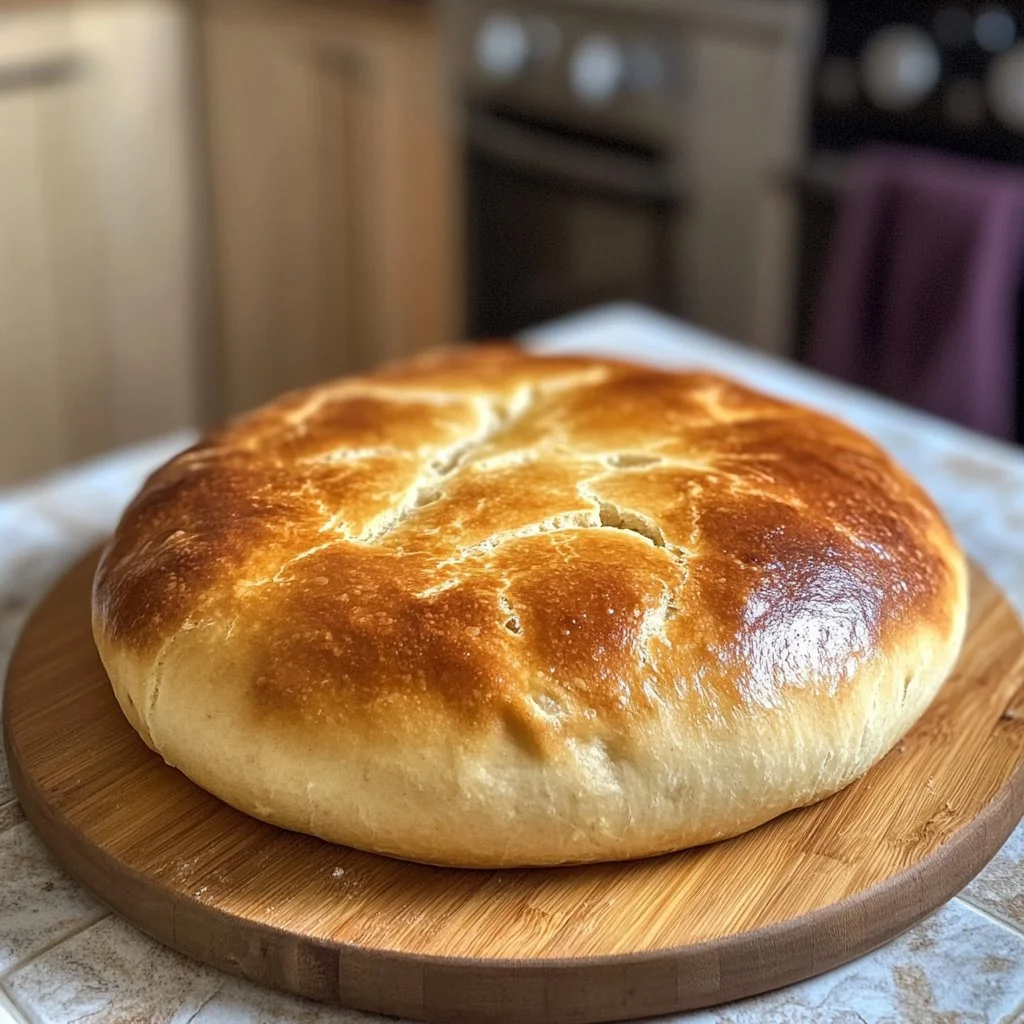
A family gathering felt incomplete without a warm loaf of Polish potato bread slathered in butter. The aroma wafting through the kitchen always invoked memories of carefree afternoons spent around the dining table, sharing stories and laughter. Each bite transported me to those cherished moments, rich with flavor and enveloped in comfort.
Crafting Polish potato bread brings back those nostalgic feelings, turning simple ingredients into a delicious loaf. The secret lies in the creamy, mashed russet potatoes that infuse the bread with moisture and a hearty texture. This recipe captures the essence of tradition while allowing flexibility for personal touches.
Biting into a slice fresh from the oven feels like a warm hug. The layers of flavor can elevate any meal, making it a favorite among family and friends alike. Whether enjoyed with soup or on its own, Polish potato bread always leaves a lasting impression.
The Fundamentals of Polish Potato Bread
Fundamentals
Understanding the fundamentals will set you on the right path to creating the perfect loaf of Polish potato bread. The essential steps involve combining potatoes, yeast, sugar, and flour to form a rich and satisfying dough. Knowing the role each ingredient plays will enhance your baking experience.
Russet potatoes provide the creamy texture that defines this bread. Yeast acts as the leavening agent, helping the dough rise and become fluffy. Sugar nourishes the yeast, ensuring a successful rise. All-purpose flour lends structure, while salt and olive oil add depth of flavor and moisture.
Preparation/Setup
Preparing the kitchen for baking Polish potato bread involves gathering ingredients and setting up your workspace. Ensure all your tools are within reach: a large mixing bowl, measuring cups, a potato masher, a loaf pan, and a clean surface for kneading.
Begin by boiling the potatoes in salted water. This step ensures they cook evenly, which is key to achieving a smooth mash. After mashing the potatoes, the next step is combining them with the yeast mixture, flour, salt, and olive oil. Patience is crucial while the dough rises, as this gives it a light and airy texture.
Ingredients
To create a delicious loaf of Polish potato bread, gather the following ingredients:
- 2 medium russet potatoes (about 1 pound), peeled and cubed
- 1 cup warm water (110°F)
- 2 teaspoons active dry yeast
- 1 tablespoon sugar
- 4 cups all-purpose flour
- 1½ teaspoons salt
- 2 tablespoons olive oil
These simple ingredients come together to create a delightful, flavorful bread.
Directions
- Boil the potatoes in salted water until tender. Drain and mash until smooth. Let cool slightly.
- In a small bowl, combine the warm water, yeast, and sugar. Let sit for 5-10 minutes until foamy.
- In a large mixing bowl, combine the mashed potatoes, yeast mixture, flour, salt, and olive oil. Mix until a dough forms.
- Turn the dough out onto a floured surface and knead for about 10 minutes until smooth and elastic.
- Place the dough in a greased bowl, cover with a damp cloth, and let rise in a warm place for about 1-1.5 hours or until doubled in size.
- Punch down the dough and shape it into a loaf. Place in a greased loaf pan, cover, and let rise for another 30-45 minutes.
- Preheat your oven to 375°F (190°C).
- Bake the bread for 35-40 minutes or until golden brown and sounds hollow when tapped. Let cool on a wire rack.
Mastering Polish Potato Bread
Technique
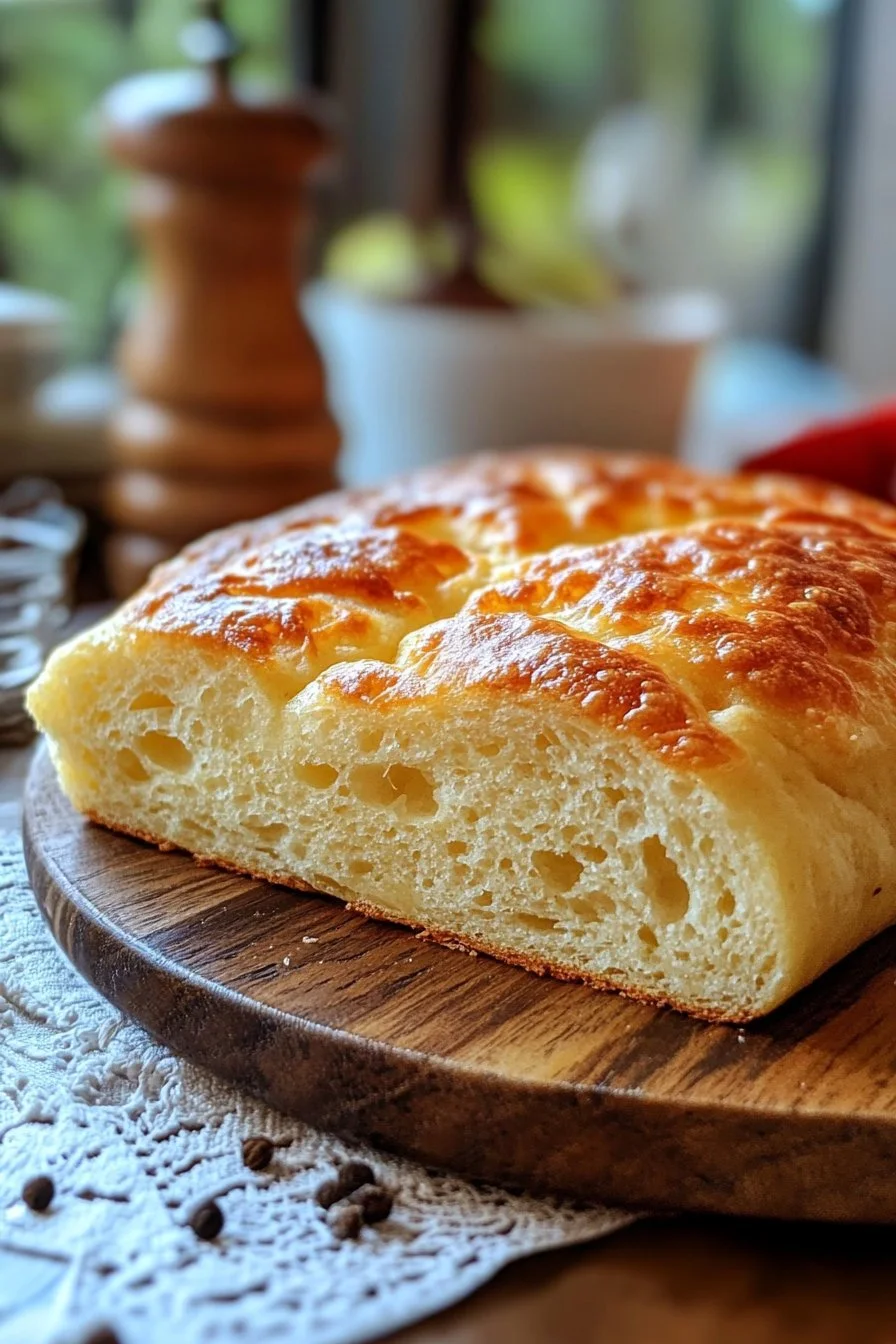
Perfecting the technique of making Polish potato bread involves patience and attention to detail. Each step in the process is crucial for achieving the desired texture. Kneading the dough is particularly important as it develops gluten, creating that delightful chewiness characteristic of fresh bread.
Letting the dough rise in a warm environment allows the yeast to ferment properly. This fermentation process contributes to both the bread’s flavor and its airy texture. Make sure to give it enough time to double in size before shaping it.
Tips and Tricks
Every great baker knows a few tips make all the difference. To ensure your bread rises beautifully, avoid using overly hot water when activating the yeast. If the water is too hot, it can kill the yeast, preventing the dough from rising.
Additionally, make sure to punch down the dough after the first rise to release gases that can lead to an overly dense loaf. Knead the dough until it’s smooth and elastic; this step prevents cracks during baking, resulting in a beautiful finish.
Perfecting Polish Potato Bread
Perfecting Results
Perfecting Polish potato bread takes a bit of practice, but the results will be rewarding. If the bread turns out drier than expected, consider increasing the potato content slightly next time. More moisture can help achieve that soft and tender texture.
Pay attention to the baking time. If your bread browns too quickly, you might need to cover it with foil during the last few minutes of baking. This strategy helps maintain that golden crust without overbaking.
Troubleshooting/Variations
Baking can sometimes be unpredictable. If your dough doesn’t rise as expected, check the freshness of your yeast. Expired yeast won’t help the dough leaven properly. Alternatively, if the dough is too sticky, adding a bit more flour during kneading can alleviate this issue.
For variations, experiment with adding herbs or spices to the dough. Roasted garlic or fresh rosemary can infuse delightful flavors into the bread. These additions can personalize the recipe and make each loaf unique.
Enjoying Polish Potato Bread
Serving and Presentation
Polish potato bread serves beautifully on any table. The golden crust and soft interior make it not only delicious but visually appealing. Slice it thick and serve it alongside soups or stews, or enjoy it on its own with a generous pat of butter.
A rustic presentation goes a long way. Place the sliced bread in a woven basket lined with a clean cloth. This not only keeps the bread warm but adds an inviting touch to your dining experience.
Pairings and Storage
Polish potato bread pairs well with a variety of dishes. Serve it with hearty stews, roasted vegetables, or simply alongside a fresh salad. It’s versatile enough to complement any meal while standing strong on its own.
For storage, keep the bread at room temperature in a bread bag or wrapped in a cloth. If you want it to last longer, consider slicing the bread and freezing it. This method allows you to enjoy fresh slices anytime without sacrificing taste.
In a world where comfort food holds a special place, Polish potato bread stands out as a beloved choice. Its heartiness, flavor, and versatility remind us why traditional recipes endure through the years.
Print
Polish Potato Bread
- Prep Time: 15 minutes
- Cook Time: 40 minutes
- Total Time: 55 minutes
- Yield: 1 loaf
- Category: Bread
- Method: Baking
- Cuisine: Polish
- Diet: Vegetarian
Description
A warm, hearty loaf of Polish potato bread made with creamy russet potatoes, perfect for sharing and pairing with meals.
Ingredients
- 2 medium russet potatoes (about 1 pound), peeled and cubed
- 1 cup warm water (110°F)
- 2 teaspoons active dry yeast
- 1 tablespoon sugar
- 4 cups all-purpose flour
- 1½ teaspoons salt
- 2 tablespoons olive oil
Instructions
- Boil the potatoes in salted water until tender. Drain and mash until smooth. Let cool slightly.
- In a small bowl, combine the warm water, yeast, and sugar. Let sit for 5-10 minutes until foamy.
- In a large mixing bowl, combine the mashed potatoes, yeast mixture, flour, salt, and olive oil. Mix until a dough forms.
- Turn the dough out onto a floured surface and knead for about 10 minutes until smooth and elastic.
- Place the dough in a greased bowl, cover with a damp cloth, and let rise in a warm place for about 1-1.5 hours or until doubled in size.
- Punch down the dough and shape it into a loaf. Place in a greased loaf pan, cover, and let rise for another 30-45 minutes.
- Preheat your oven to 375°F (190°C).
- Bake the bread for 35-40 minutes or until golden brown and sounds hollow when tapped. Let cool on a wire rack.
Notes
For a unique flavor, consider adding roasted garlic or fresh herbs to the dough. Ensure the yeast is fresh for best results.