
📑 Table of Contents ▶
- Part 1 — Understanding Plant-Based Vegetable Meatloaf
- Fundamentals
- Preparation/setup
- Directions
- Part 2 — Mastering the Technique of Plant-Based Vegetable Meatloaf
- Technique
- Tips/tricks
- Part 3 — Perfecting Results with Plant-Based Vegetable Meatloaf
- Perfecting results
- Troubleshooting/variations
- Part 4 — Serving and Storing Plant-Based Vegetable Meatloaf
- Serving/presentation
- Pairings/storage
Plant-Based Vegetable Meatloaf with Balsamic Glaze
Finding comfort in a good meal can be a transformative experience. A couple of years ago, I stumbled upon a delightful recipe for plant-based vegetable meatloaf during a potluck. My friends marveled at how hearty and satisfying the dish was, and I couldn’t believe it was made without any meat at all. The secret? A tantalizing combination of healthy ingredients, topped with a luscious balsamic glaze that captures your taste buds.
This plant-based vegetable meatloaf became a staple in my home. The blend of lentils, quinoa, and colorful veggies brings a rainbow of nutrients and flavors to the table. Each slice introduces a new layer of taste, from the earthy lentils to the sweetness of sautéed carrots and bell peppers. This dish not only nourishes the body but also satisfies the soul.
Whether preparing dinner for friends or simply treating yourself, this plant-based vegetable meatloaf with balsamic glaze shines as a star dish. It’s easy to make, incredible in flavor, and perfect for any occasion. The aroma wafting from the oven will leave everyone eagerly waiting to dig in.
Part 1 — Understanding Plant-Based Vegetable Meatloaf
Fundamentals
The fundamentals behind crafting an excellent plant-based vegetable meatloaf lie in balancing flavors and textures. This recipe focuses on using lentils and quinoa as the foundation. Together, they offer a hearty bite that mimics traditional meatloaf while remaining entirely plant-based.
Incorporating vegetables like mushrooms, carrots, and bell peppers provides not only a variety of flavors but also essential nutrients. These veggies serve an important purpose; they introduce both color and crunch, creating a vibrant dish that captures attention. A well-balanced season is crucial too, and the combined efforts of thyme and oregano work wonders in elevating the overall flavor profile.
Preparation/setup
To prepare for creating your plant-based vegetable meatloaf, gather all the necessary ingredients and equipment. Make sure you have a large skillet for sautéing your vegetables, a mixing bowl for combining everything, and a loaf pan for baking. Preheat your oven to 350°F (175°C) to ensure the meatloaf bakes evenly.
Mise en place is the name of the game here. Chop your onion, bell pepper, and garlic, and grate your carrots ahead of time. This preparation allows for seamless cooking when you start sautéing the vegetables, ultimately speeding up your overall cooking time while keeping things organized.
Ingredients
Each ingredient plays a vital role in crafting this exquisite plant-based meatloaf. Here’s a quick look:
- 1 cup cooked lentils
- 1 cup cooked quinoa
- 1 onion, chopped
- 2 cloves garlic, minced
- 1 cup grated carrots
- 1 cup chopped mushrooms
- 1 bell pepper, chopped
- 1/2 cup breadcrumbs
- 1/4 cup ground flaxseed mixed with 3/4 cup water (flax egg)
- 1/4 cup balsamic vinegar
- 2 tablespoons soy sauce
- 1 teaspoon dried thyme
- 1 teaspoon dried oregano
- Salt and pepper to taste
These ingredients blend together to create a dish that is not just satisfying but also packed with flavor and nutrition.
Directions
- Preheat your oven to 350°F (175°C).
- In a large skillet, sauté the onion, garlic, carrots, mushrooms, and bell pepper until softened.
- In a large bowl, combine the cooked lentils, quinoa, sautéed vegetables, breadcrumbs, flax egg, balsamic vinegar, soy sauce, thyme, oregano, salt, and pepper. Mix until well combined.
- Transfer the mixture into a loaf pan and shape it into a loaf.
- Bake for 45-50 minutes, or until firm and cooked through.
- Let it cool for a few minutes before slicing. Serve warm with additional balsamic glaze if desired.
Part 2 — Mastering the Technique of Plant-Based Vegetable Meatloaf
Technique
Mastering the technique behind plant-based vegetable meatloaf requires understanding how to build flavors and layer textures effectively. Start by sautéing your vegetables—this step softens them and allows their natural sugars to caramelize, giving the meatloaf a deeper flavor.
The mixture of lentils and quinoa not only creates the right consistency but also provides the essential protein and fiber, making it a complete meal. When you incorporate the flax egg, it acts as a binder, helping your plant-based loaf hold its shape without the need for animal products.
Tips/tricks
Getting the best results from your plant-based vegetable meatloaf requires a few handy tips and tricks:
-
Let the mixture rest: Allowing the combined mixture to rest before shaping helps meld the flavors together, making each bite more delicious.
-
Get creative with spices: Feel free to experiment with other spices and herbs, such as rosemary or smoked paprika, to add a personal touch to your dish.
-
Add some kick: For those who enjoy a bit of heat, consider adding red pepper flakes or diced jalapeños to the sautéed vegetable mixture for an extra layer of flavor.
-
Moisture is key: If your mixture seems too dry, a splash of vegetable broth can help retain moisture, ensuring the meatloaf doesn’t dry out during baking.
Sticking to these techniques and tips will elevate your plant-based vegetable meatloaf to restaurant-quality.
Part 3 — Perfecting Results with Plant-Based Vegetable Meatloaf
Perfecting results
To perfect your plant-based vegetable meatloaf, attention to texture is essential. Ensure you cook your lentils and quinoa properly before combining them with the vegetables. Overcooked quinoa, in particular, can lead to a mushy consistency. A perfect blend will yield a moist, firm meatloaf.
In addition, being mindful of baking time makes a significant difference. Removing the meatloaf from the oven just as it firms up will result in a succulent final product. Letting it rest for a moment before slicing creates cleaner cuts and helps retain its structure.
Troubleshooting/variations
Sometimes, things may not go as planned during the cooking process. If your meatloaf appears too crumbly, it might need more of the flax egg or a splash of balsamic vinegar to help hold everything together.
Conversely, if your meatloaf seems too wet, consider increasing the amount of breadcrumbs or using less flax egg next time. You can also experiment by adding finely chopped nuts for an added crunch or differently colored veggies to enhance visual appeal and taste.
Enjoying your plant-based journey means embracing these small adjustments to create the perfect version of your vegetable meatloaf.
Part 4 — Serving and Storing Plant-Based Vegetable Meatloaf
Serving/presentation
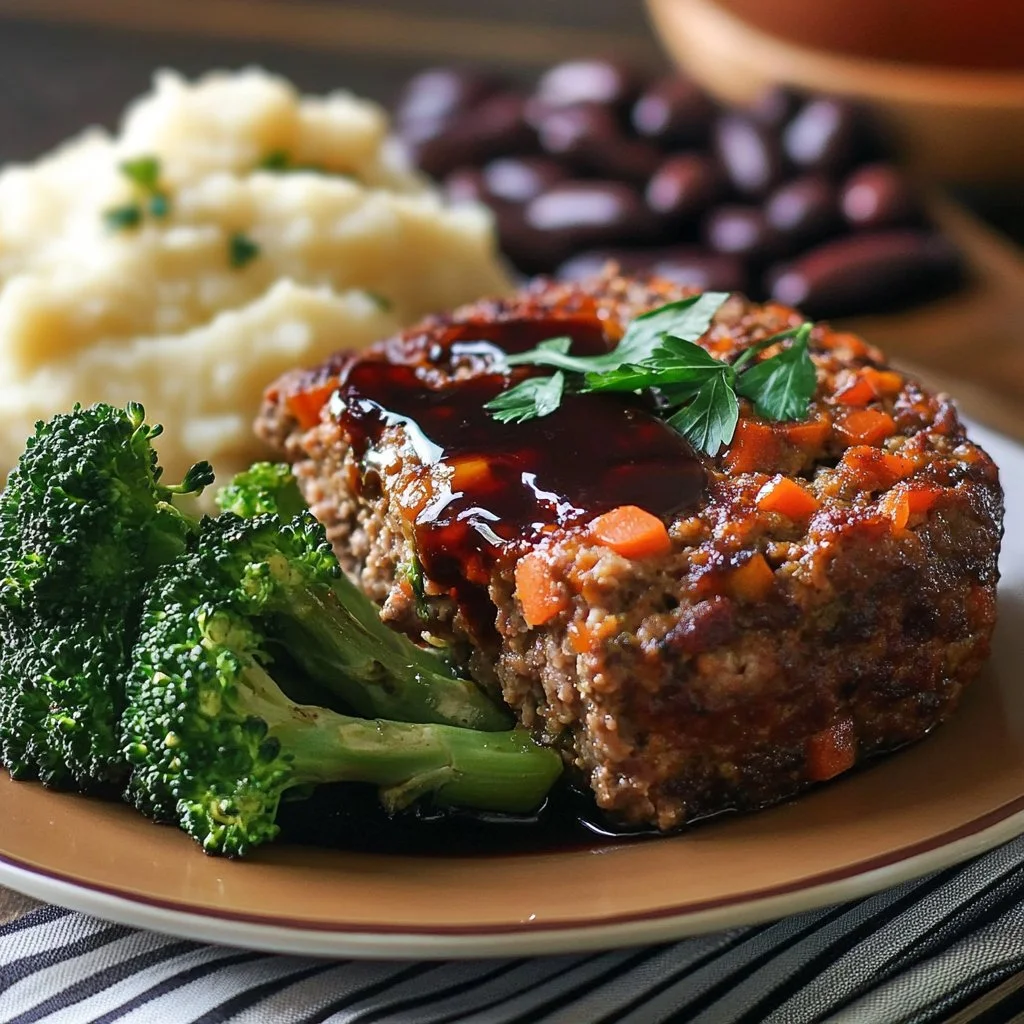
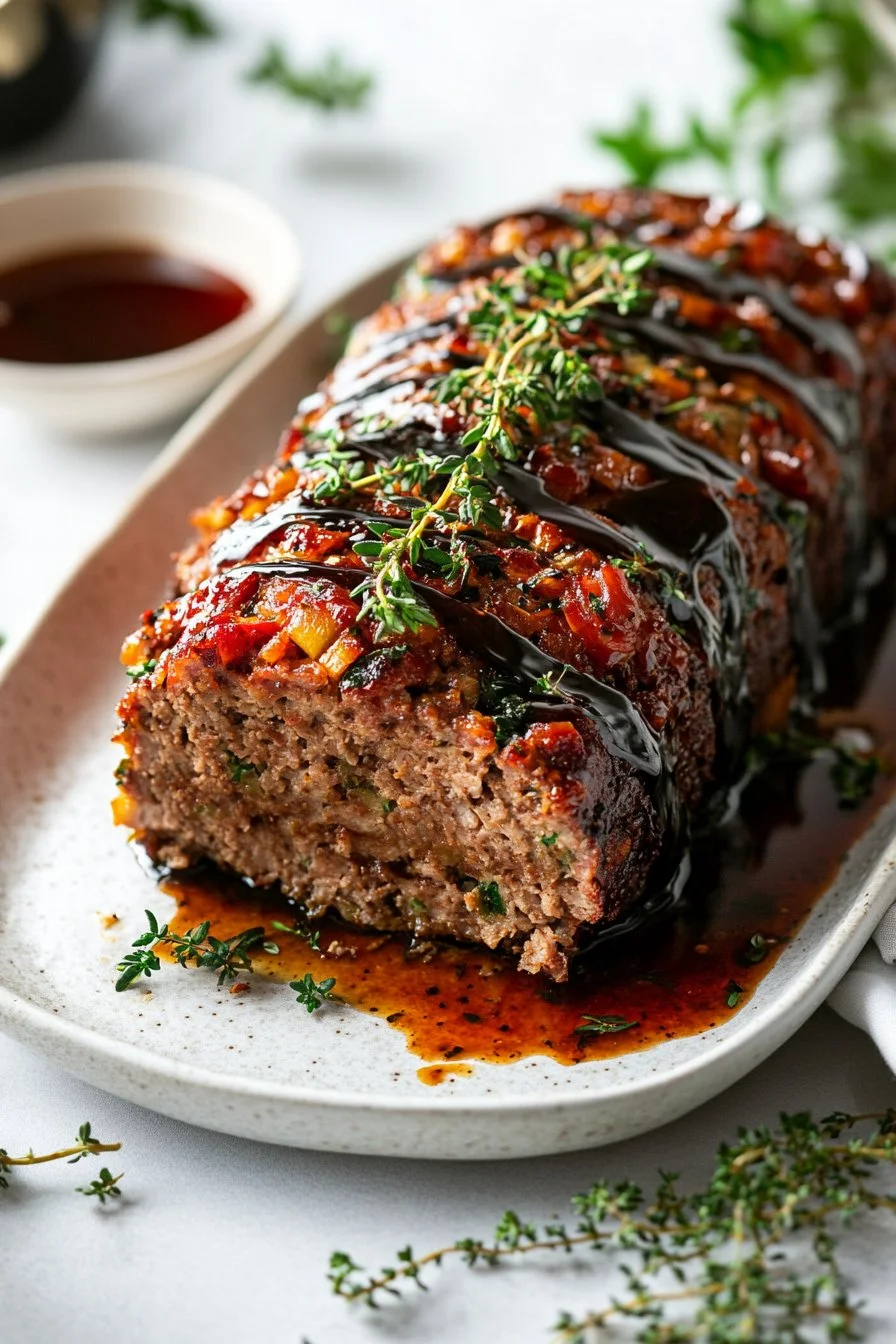
Serving your plant-based vegetable meatloaf can transform a simple dish into a beautiful presentation. Consider slicing it elegantly and arranging it on a large platter. A drizzle of extra balsamic glaze elevates the appearance and flavor, making it more inviting.
Serve the meatloaf alongside a fresh salad or roasted vegetables for a complete meal, ensuring each element brings joy and satisfaction to your dining experience. For special occasions, garnishing with fresh herbs like parsley or basil adds a beautiful pop of color.
Pairings/storage
Plant-based vegetable meatloaf pairs wonderfully with various sides. Consider serving it alongside mashed potatoes, steamed green beans, or a vibrant salad for a balanced meal. As for storage, leftovers can be stored in an airtight container in the refrigerator for up to four days.
Reheating it in the oven preserves its moisture better than a microwave, ensuring you enjoy each bite just as much as the first. Alternatively, you can slice it and freeze individual portions for an easy meal later on. Enjoying the flavors of this plant-based vegetable meatloaf again offers great convenience as well as deliciousness.
In conclusion, cooking plant-based meals can be both rewarding and easy. This vegetable meatloaf makes for a satisfying dish, whether you’re preparing it for family dinners or meal prepping. With its blend of wholesome ingredients, this recipe showcases that you can enjoy hearty flavors without sacrificing your healthy eating goals.
Print
Plant-Based Vegetable Meatloaf with Balsamic Glaze
- Prep Time: 15 minutes
- Cook Time: 50 minutes
- Total Time: 65 minutes
- Yield: 4 servings
- Category: Main Course
- Method: Baking
- Cuisine: American
- Diet: Vegan
Description
A hearty and satisfying plant-based vegetable meatloaf made with lentils, quinoa, and colorful veggies, topped with a luscious balsamic glaze.
Ingredients
- 1 cup cooked lentils
- 1 cup cooked quinoa
- 1 onion, chopped
- 2 cloves garlic, minced
- 1 cup grated carrots
- 1 cup chopped mushrooms
- 1 bell pepper, chopped
- 1/2 cup breadcrumbs
- 1/4 cup ground flaxseed mixed with 3/4 cup water (flax egg)
- 1/4 cup balsamic vinegar
- 2 tablespoons soy sauce
- 1 teaspoon dried thyme
- 1 teaspoon dried oregano
- Salt and pepper to taste
Instructions
- Preheat your oven to 350°F (175°C).
- In a large skillet, sauté the onion, garlic, carrots, mushrooms, and bell pepper until softened.
- In a large bowl, combine the cooked lentils, quinoa, sautéed vegetables, breadcrumbs, flax egg, balsamic vinegar, soy sauce, thyme, oregano, salt, and pepper. Mix until well combined.
- Transfer the mixture into a loaf pan and shape it into a loaf.
- Bake for 45-50 minutes, or until firm and cooked through.
- Let it cool for a few minutes before slicing. Serve warm with additional balsamic glaze if desired.
Notes
Let the mixture rest before shaping for better flavor melding. Experiment with spices as desired.