
📑 Table of Contents ▶
Korean Beef Bulgogi Recipe
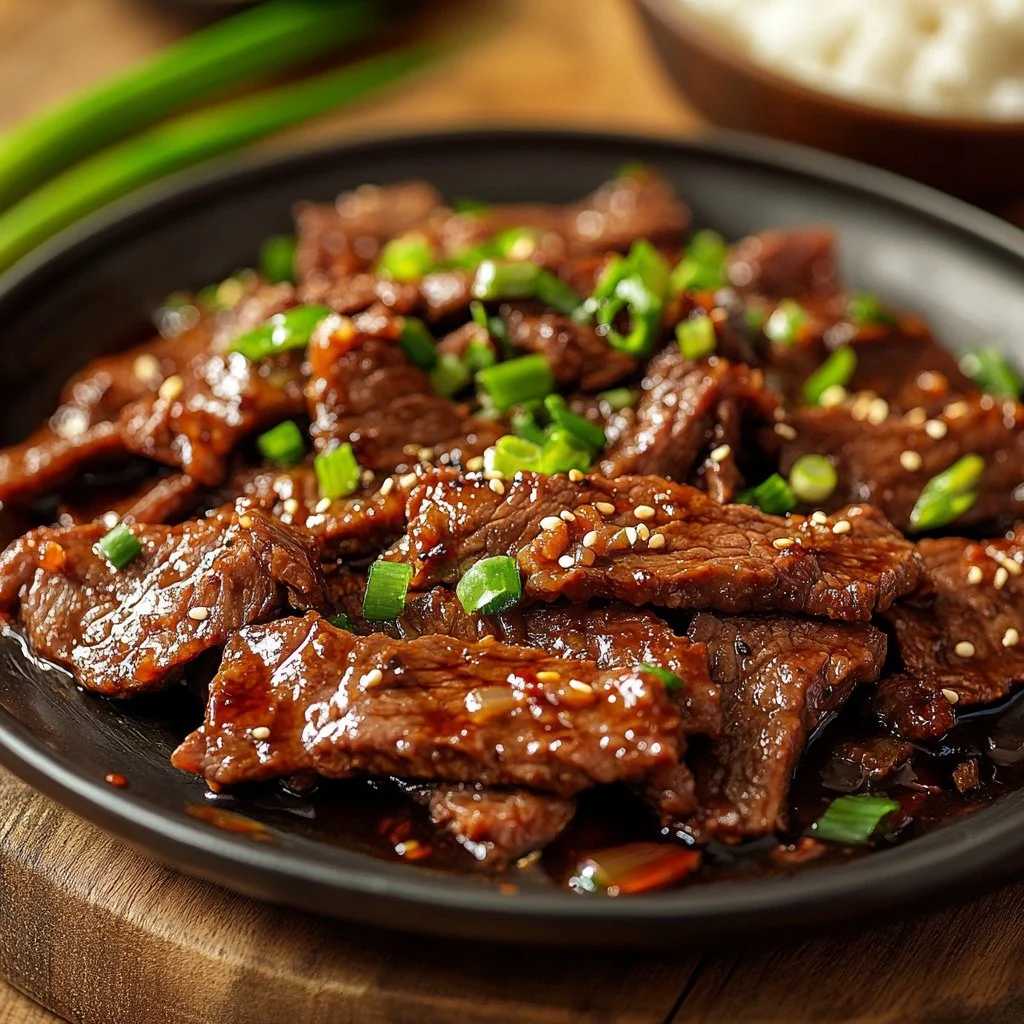
The first time I tasted Korean beef bulgogi, the flavor took me by surprise. The combination of tender steak marinated in a deliciously sweet and savory sauce opened up my palate to new culinary experiences. The contrast of juicy beef with crunchy veggies and warm, fragrant rice instantly felt like comfort food, perfect for any gathering.
As I began to explore this dish, I took note of the meticulous preparation involved. Each ingredient plays a role, ensuring that every bite bursts with flavor. The key is in the marination process, drawing out the natural umami of the beef and transforming it into something special. Making bulgogi at home became a personal mission, and I want to share this journey with you.
Korean beef bulgogi invites creativity in both preparation and presentation. Whether enjoyed as a wrap in lettuce leaves or served over rice, this dish embodies the spirit of sharing and savoring good food together. Each element complements the other, producing an unforgettable dining experience.
Follow along as we dive deeper into preparing this tantalizing dish, bringing the essence of Korean cuisine right to your table.
Korean Beef Bulgogi Basics
Fundamentals
Korean beef bulgogi shines as a dish that radiates warmth and flavor while being remarkably simple to prepare. Key ingredients like soy sauce, sesame oil, and brown sugar come together in perfect harmony. Thinly sliced beef, either ribeye or sirloin, absorbs the marinade, transforming into a succulent, tender delight.
It’s important to slice the beef against the grain. This technique ensures each bite remains melt-in-your-mouth tender, a hallmark of great bulgogi. Depending on your preference, you may opt for additional seasonings, like gochujang for heat or mirin for a slight sweetness.
Preparation/Setup
To create an authentic Korean beef bulgogi at home, start with your chosen cuts of meat. Gather all your ingredients, ensuring everything is fresh. Having everything ready before cooking streamlines the process and enhances your experience.
Start by preparing the marinade in a bowl, combining soy sauce, brown sugar, sesame oil, minced garlic, and grated ginger. For extra depth, add grated Asian pear or red apple to the mix to enhance the flavor profile. This fruity twist not only sweetens but also tenderizes the meat.
Slice the ribeye or sirloin thinly and combine it with the marinade. Allow the beef to soak up these delicious flavors for at least 30 minutes, or longer if time permits. Marinating overnight is ideal for those who want the deepest flavor.
Ingredients
- 1.5 lbs ribeye or sirloin steak, thinly sliced against the grain
- 6 tbsp soy sauce
- 3 tbsp brown sugar
- 2 tbsp sesame oil
- 4 cloves garlic, minced
- 1 tbsp fresh ginger, grated
- 1/2 Asian pear or red apple, grated
- 2 tbsp mirin (optional)
- 1 tbsp gochujang (optional, for spice)
- 1/4 tsp black pepper
- 2 tbsp finely chopped green onions
- 1 tsp toasted sesame seeds
- 1 tbsp neutral oil (for cooking)
- 1 small onion, thinly sliced
- 1 carrot, julienned
- 1 cup mushrooms (shiitake or white button), sliced
- 2 tbsp honey butter (1 tbsp melted butter + 1 tbsp honey, mixed)
- Cooked rice, for serving
- Lettuce leaves or perilla leaves, for wrapping
- Extra sesame seeds and sliced green onions, for garnish
Directions
- In a large mixing bowl, prepare your marinade by whisking together soy sauce, brown sugar, sesame oil, minced garlic, grated ginger, grated Asian pear or red apple, mirin, gochujang, and black pepper.
- Add the thinly sliced beef to the marinade, ensuring each piece is well-coated. Allow the beef to marinate for at least 30 minutes or preferably longer.
- Heat a grill pan or cast iron skillet over medium-high heat and add 1 tablespoon of neutral oil.
- Remove the beef from the marinade and cook it in batches, avoiding overcrowding. Sear each piece for 2–3 minutes per side until caramelized.
- Just before finishing, drizzle the honey butter over the beef to enhance the caramelization. Toss quickly to coat.
- Remove the cooked beef from the pan and set aside while you prepare the veggies.
- Add onions, carrots, and mushrooms to the same skillet. Sauté for 3-4 minutes until they are tender yet crisp.
- Serve the cooked beef over a bed of rice, accompanied by the sautéed vegetables. Wrap portions of bulgogi in lettuce or perilla leaves for a lovely bite-sized option.
Cooking Techniques for Korean Beef Bulgogi
Technique
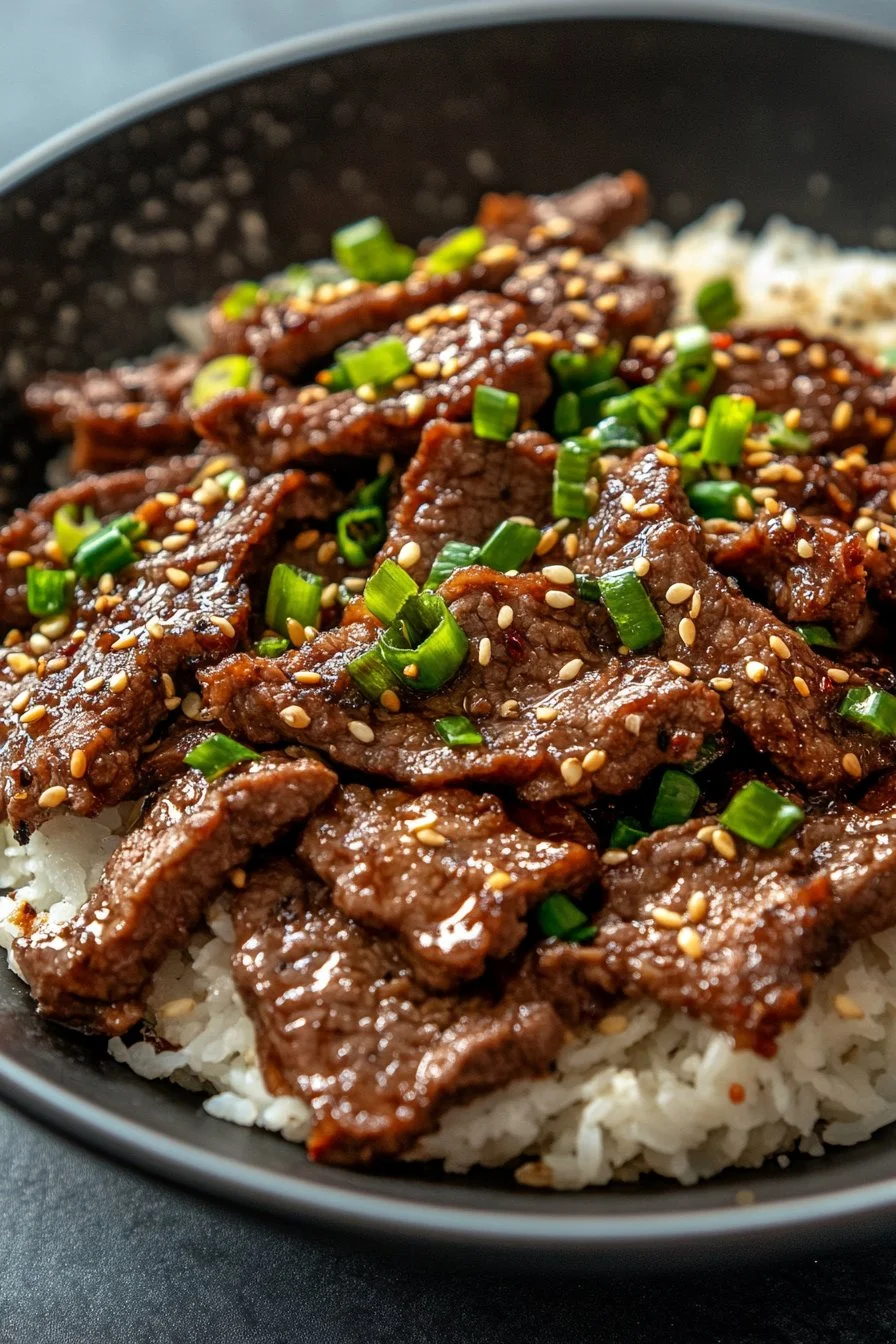
Creating the best Korean beef bulgogi centers around mastering adequate cooking techniques. The key lies in high, direct heat, allowing the steak to develop that crucial caramelized exterior. Ensure your grill pan or cast iron skillet preheats thoroughly before adding the beef. This step prevents sticking and promotes even browning.
If you’re interested in added flavors, consider infusing vegetables into your cooking process, as their sweetness will complement the rich flavors of the beef. Searing garlic or ginger alongside the meat lends a lovely aroma that enhances your dish further.
Tips and Tricks
Don’t hesitate to experiment with the marinade ingredients. Adding different fruits or adjusting the ratio of sweet to savory can provide a unique spin on the classic recipe. If you crave some spice, gochujang can be incorporated to suit your taste.
When cooking the beef, be mindful of clumping. Cook the slices in batches and maintain ample space in the pan to allow for better caramelization. Think of it as letting the meat breathe!
Opt for fresh vegetables, as they add vibrant color and texture. Incorporating a variety of colors will make your dish appealing and visually exciting on the plate.
Perfecting Your Beef Bulgogi
Perfecting Results
Perfecting Korean beef bulgogi comes from fine-tuning the marinade. The richness of soy sauce paired with sweet brown sugar creates irresistible flavors. Taste the marinade before adding the beef to ensure it’s balanced. Adjust levels of sweetness or saltiness as needed.
Also, consider the cut of meat. The marbled fats found in ribeye typically provide a juicier texture, while sirloin offers a leaner alternative. Both options yield delicious results.
Troubleshooting and Variations
If your beef becomes tough after cooking, it may require thinner slicing or longer marination. Cutting across the grain is critical, as this helps break down muscle fibers.
For those wanting alternative options, try bulgogi with chicken or tofu for meat-free meals. The same marinade can work wonders on other proteins.
Incorporating seasonal vegetables also offers a refreshing twist. Try bell peppers or zucchini when they’re at their peak for an extra crunch and flavor boost.
Serving Your Delicious Beef Bulgogi
Serving and Presentation
When serving Korean beef bulgogi, presentation matters. Use a large platter to display the beef, garnished with sliced green onions and extra sesame seeds for an appealing finish.
For individual plates, pile rice high and add an attractive mound of beef and sautéed vegetables. Add fresh lettuce or perilla leaves on the side, inviting guests to create their own wraps.
Consider garnishing with edible flowers or herbs for an elegant touch that enhances the visual experience.
Pairings and Storage
Korean beef bulgogi pairs beautifully with various side dishes. Traditional options include kimchi or pickled vegetables. They add tanginess that perfectly complements the dish’s sweetness.
For leftovers, store bulgogi in an airtight container in the refrigerator for up to three days. To reheat, do so gently in a skillet to maintain tenderness.
This dish is also great for meal prep, ensuring quick and delicious lunches throughout the week.
Conclusion
Korean beef bulgogi provides a vivid culinary experience that draws from rich flavors and excellent textures. Each ingredient has a role, blending together seamlessly to create something delightful.
With practice, everyone can master this dish, bringing the experience of Korean cuisine to their home. Embracing marination, high cooking techniques, and fresh presentations will guarantee success. Delicious seeks to enhance gatherings and warm hearts with every serving of this beloved classic.
Print
Korean Beef Bulgogi
- Prep Time: 30 minutes
- Cook Time: 15 minutes
- Total Time: 45 minutes
- Yield: 4 servings
- Category: Main Course
- Method: Stir-frying
- Cuisine: Korean
- Diet: None
Description
A deliciously sweet and savory Korean beef bulgogi, featuring tender marinated steak, crunchy veggies, and warm rice, perfect for sharing.
Ingredients
- 1.5 lbs ribeye or sirloin steak, thinly sliced against the grain
- 6 tbsp soy sauce
- 3 tbsp brown sugar
- 2 tbsp sesame oil
- 4 cloves garlic, minced
- 1 tbsp fresh ginger, grated
- 1/2 Asian pear or red apple, grated
- 2 tbsp mirin (optional)
- 1 tbsp gochujang (optional, for spice)
- 1/4 tsp black pepper
- 2 tbsp finely chopped green onions
- 1 tsp toasted sesame seeds
- 1 tbsp neutral oil (for cooking)
- 1 small onion, thinly sliced
- 1 carrot, julienned
- 1 cup mushrooms (shiitake or white button), sliced
- 2 tbsp honey butter (1 tbsp melted butter + 1 tbsp honey, mixed)
- Cooked rice, for serving
- Lettuce leaves or perilla leaves, for wrapping
- Extra sesame seeds and sliced green onions, for garnish
Instructions
- In a large mixing bowl, whisk together soy sauce, brown sugar, sesame oil, minced garlic, grated ginger, grated Asian pear or red apple, mirin, gochujang, and black pepper to create the marinade.
- Add the thinly sliced beef to the marinade, ensuring each piece is well-coated. Marinate for at least 30 minutes, preferably longer.
- Heat a grill pan or cast iron skillet over medium-high heat and add 1 tablespoon of neutral oil.
- Remove the beef from the marinade and cook in batches for 2–3 minutes per side until caramelized, avoiding overcrowding.
- Drizzle honey butter over the beef just before finishing to enhance caramelization.
- Remove the cooked beef from the pan and set aside. In the same skillet, sauté onions, carrots, and mushrooms for 3-4 minutes until tender yet crisp.
- Serve the cooked beef over a bed of rice, accompanied by sautéed vegetables. Wrap portions of bulgogi in lettuce or perilla leaves for a delightful bite-sized option.
Notes
Allowing the beef to marinate overnight is ideal for the deepest flavor. Fresh vegetables enhance the dish’s visual appeal and texture.