📑 Table of Contents ▶
How To Make Mayonnaise
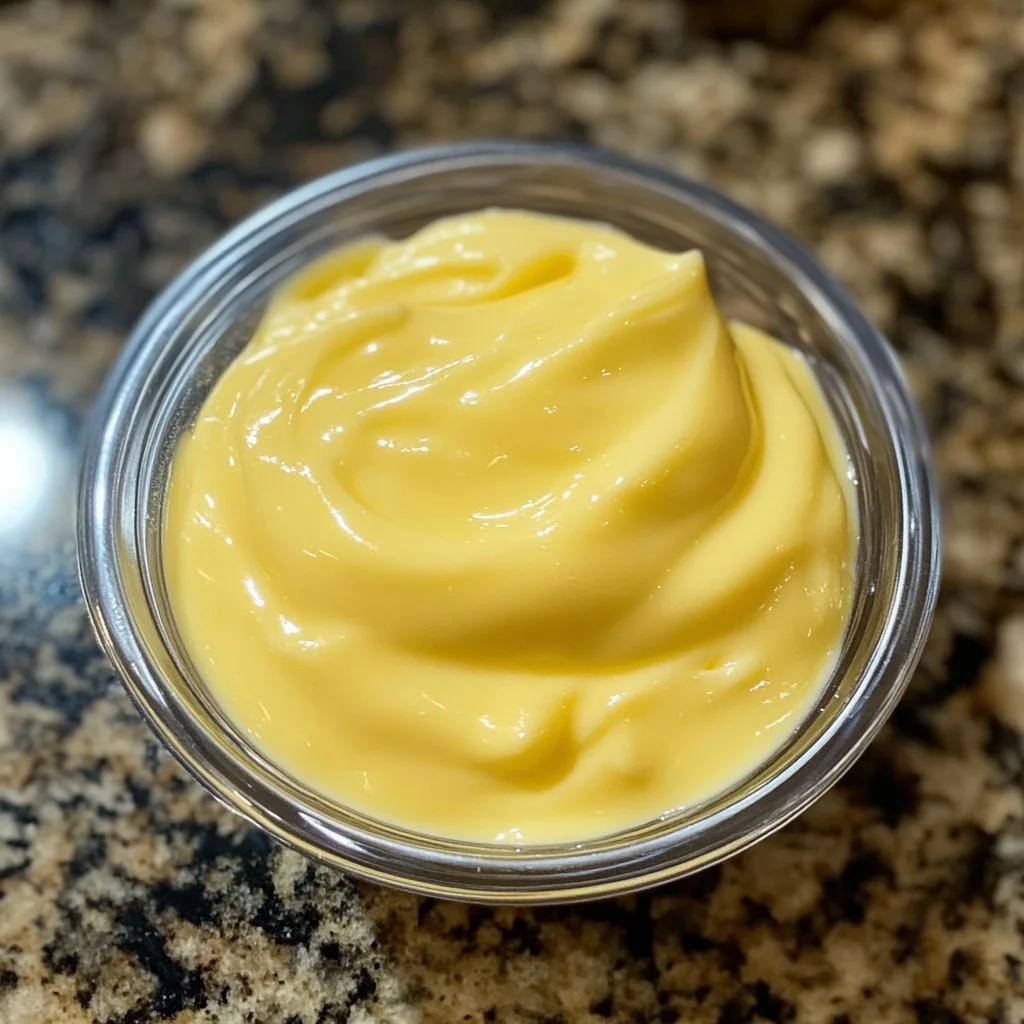
A culinary adventure often starts with the simplest of ingredients. Making mayonnaise captures that essence perfectly. The first time I attempted to whip up homemade mayonnaise, I was captivated by how a few basic items transformed into a creamy, luscious condiment. It felt like magic — a whole egg, mustard, and oil in a bowl, and before you knew it, I had a delicious spread to enhance my meals.
Mayonnaise thrives on its versatility. Dishes like potato salad, sandwiches, and dressings come alive with that zesty kick. Every time I make it, it reminds me of that initial thrill. With just a whole egg, some yellow mustard, and sunflower oil, I can craft something that elevates even the simplest dish.
The joys of homemade mayonnaise extend beyond flavor. The process allows for creativity and personalization, letting you adjust spices and tanginess to your liking. As you plunge into this culinary delight, you’ll find that mastering mayonnaise opens a whole new world of flavor possibilities. Let’s dive into the fundamentals of making your own, step by step.
The Fundamentals of Homemade Mayonnaise
Fundamentals
Understanding the core components of mayonnaise is essential for mastering this classic sauce. At its heart, mayonnaise combines an emulsifying agent — in this case, a whole egg — with oil and acid for flavor and preservation. This unique combination creates a stable emulsion, resulting in that creamy texture we all love.
Mayonnaise can serve countless culinary purposes. Whether you’re spreading it on sandwiches or using it as a base for dressings, having your homemade version on hand elevates everyday meals. Plus, when you make it yourself, you control the quality and freshness of the ingredients.
Preparation/setup
Gathering your ingredients sets the stage for a successful mayonnaise experience. You will need:
- 1 whole egg
- 1 Tbsp prepared yellow mustard
- 1 tsp sea salt
- 1 tsp granulated cane sugar
- 2 tsp lemon juice (about half a small lemon)
- 2 Tbsp white distilled vinegar
- 1 ¼ cup sunflower oil
Take a moment to ensure all your ingredients are at room temperature. Room temperature allows for better emulsification, creating a smoother mayonnaise. You can prepare your workspace: a mixing bowl, a whisk or an immersion blender, and a measuring cup for accurate ingredient portions.
Ingredients
Using high-quality ingredients truly enhances your mayonnaise’s flavor. The star of the show here is the whole egg. It provides the foundation for the emulsion due to its lecithin content, which acts as a natural emulsifier. Pairing it with prepared yellow mustard adds a zesty touch right from the start.
Sea salt brings out the richness of the oil. The granulated cane sugar balances the acidity and enhances the overall flavor, while the combination of lemon juice and distilled vinegar perfects the tanginess. Finally, sunflower oil contributes a neutral flavor that allows the other components to shine.
Directions
Now, let’s get to the exciting part: making your mayonnaise. Follow these steps to create an impressive condiment:
- In your mixing bowl, combine the whole egg, prepared yellow mustard, sea salt, granulated cane sugar, lemon juice, and white distilled vinegar.
- Using a whisk or immersion blender, blend the mixture until it’s smooth and combined.
- With the blender running, slowly drizzle in the 1 ¼ cup sunflower oil. Keep mixing until the mayonnaise thickens to your desired consistency.
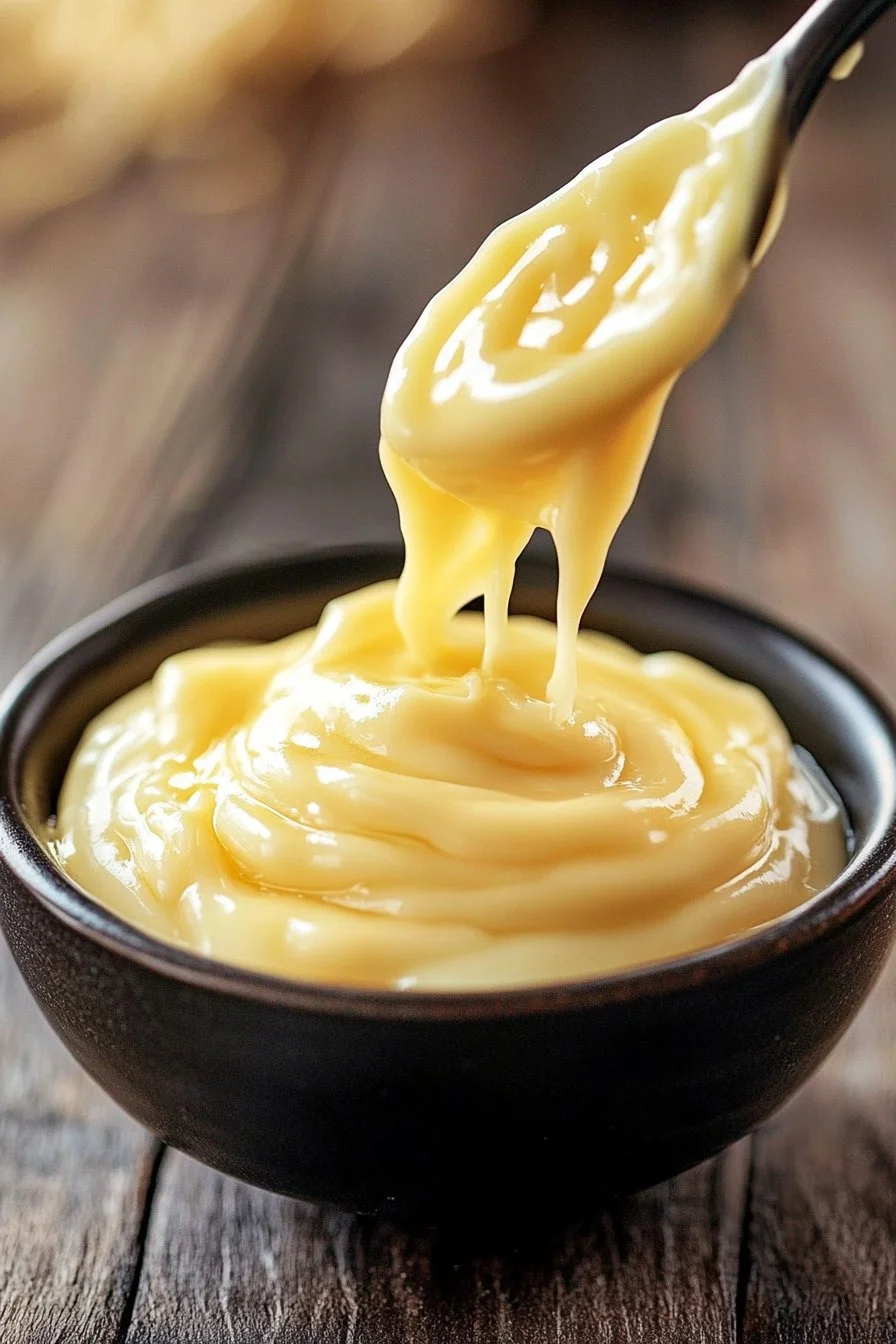
This process may take a couple of minutes, but the result is rewarding. Homemade mayonnaise beats store-bought any day. Feel free to experiment with different types of oils or additional seasonings once you master the basic recipe.
The Technique Behind Mayonnaise Perfection
Technique
Mastering the technique for making mayonnaise is key to achieving the perfect texture. The key lies in the speed and method at which you add the oil. Adding the oil too quickly can result in a broken emulsion, leaving you with a soupy mess instead of creamy goodness.
If using a whisk, a brisk circular motion helps incorporate the oil more effectively. With an immersion blender, a gradual introduction of oil while blending creates a beautifully emulsified mixture. Ensure that the ingredients marry well, bringing you that rich, thick texture everyone adores.
Tips/tricks
To make the process smoother, here are some valuable tips:
- Use fresh ingredients: Fresh eggs and lemon juice offer the best flavor and texture.
- Control the temperature: Start with room temperature ingredients for a better emulsion.
- Customize your flavor: Add herbs, spices, or garlic for unique twists on classic mayonnaise.
- If your mayonnaise doesn’t thicken, slowly add another egg yolk or some mustard to help re-emulsify the mixture.
These tricks will boost your mayonnaise game tremendously. You’ll become more confident as you experiment with flavors and techniques.
Perfecting Your Mayonnaise Results
Perfecting results
Once you’ve grasped the basic process, the real fun begins. Perfecting your mayonnaise involves tweaking the acidity and thickness according to personal preference. You can explore options like adding spicy mustard for an extra kick or incorporating fresh herbs for a burst of flavor.
The key is adjusting the ingredients in small increments to find that perfect balance. Remember, you can always add more seasoning, but it’s hard to take out once it’s in.
Troubleshooting/variations
Even experienced cooks encounter challenges when making mayonnaise. Here are some common issues and solutions:
- If your mayonnaise is too thick, whisk in a teaspoon of warm water until you reach the desired consistency.
- For too thin mayonnaise, add a bit more oil while whisking vigorously until it thickens.
- If your mayonnaise breaks (it separates), don’t lose heart. Add a new egg yolk to a clean bowl, and slowly whisk in the broken mixture for salvation.
Understanding these troubleshooting tips allows you to refine your mayonnaise-making skills. You’ll grow more comfortable and adventurous with each attempt.
Serving and Storing Your Homemade Mayonnaise
Serving/presentation
Presentation matters, even for mayonnaise. Consider serving your homemade version in a nice dish, perhaps garnished with fresh herbs or a light sprinkle of sea salt. Pair it with fresh, colorful vegetables for a dippable appetizer or drizzle it over salads to add richness.
Using homemade mayonnaise as a base for dressings allows endless creativity. Combine it with herbs for a delightful dip or sauce, bringing flavor to life in any dish.
Pairings/storage
Store your homemade mayonnaise in a clean, airtight container in the refrigerator. It’s best enjoyed fresh, lasting about a week. If you wish to add shelf stability, consider mixing in a small amount of vinegar or lemon juice, enhancing the flavor while extending the shelf life.
Pair your homemade mayonnaise with a variety of dishes — sandwiches, burgers, salads, or roasted vegetables, adding that touch of creaminess to every meal. Each serving will remind you of the joy of creating something exceptional from simple ingredients.
Incorporating these elements into your meals offers creativity and excitement. Enjoy the journey of exploring flavors and the satisfaction of serving a homemade classic.
Print
Homemade Mayonnaise
- Prep Time: 5 minutes
- Cook Time: 5 minutes
- Total Time: 10 minutes
- Yield: 1 cup
- Category: Condiment
- Method: Emulsifying
- Cuisine: American
- Diet: Vegetarian
Description
A simple yet essential recipe for making creamy and delicious homemade mayonnaise using basic ingredients.
Ingredients
- 1 whole egg
- 1 Tbsp prepared yellow mustard
- 1 tsp sea salt
- 1 tsp granulated cane sugar
- 2 tsp lemon juice
- 2 Tbsp white distilled vinegar
- 1 ¼ cup sunflower oil
Instructions
- In a mixing bowl, combine the whole egg, yellow mustard, sea salt, granulated sugar, lemon juice, and vinegar.
- Using a whisk or immersion blender, blend the mixture until smooth.
- With the blender running, slowly drizzle in the sunflower oil and continue mixing until the mayonnaise thickens.
Notes
For best results, use room temperature ingredients. Experiment with flavors by adding herbs or spices.