
📑 Table of Contents ▶
Healthy Sautéed Vegetables – Quick, Flavorful & Nutritious Side
Cooking often connects me to memories of family gatherings, where vibrant vegetables take center stage. Sautéed vegetables, with their colorful hues and delightful textures, never failed to create a lively atmosphere around the dinner table. Each bite echoed the camaraderie, transforming simple moments into cherished experiences.
Preparing a dish of healthy sautéed vegetables brings a sense of joy and satisfaction. With a variety of textures and flavors orchestrated in one pan, this dish became a go-to in my kitchen. The aroma of garlic and sautéed onions would fill the air, inviting everyone to join in the culinary experience.
Sautéed vegetables not only deliver on flavor but also pack a nutritious punch. When choosing fresh produce, the options are nearly limitless. Each vegetable lends its own unique taste, ensuring that every dish feels fresh and exciting. Embracing this colorful medley is a celebration of wholesome eating, bringing the goodness of nature to the table.
With just a few ingredients and simple techniques, anyone can whip up a quick yet delightful vegetable side dish. Dive into this guide to explore the world of healthy sautéed vegetables, where quick, flavorful, and nutritious come together in harmony.
Healthy Sautéed Vegetables in Your Kitchen
Fundamentals
Every culinary adventure starts with understanding the fundamentals. Sautéing vegetables is one of the easiest and most rewarding cooking techniques. It allows you to showcase the natural flavors of seasonal produce while maintaining a pleasing crunch. The right combination of spices and cooking methods elevates the simple sauté to a new level of flavor.
The basic principle of sautéing involves cooking food quickly in a small amount of oil over relatively high heat. This allows the food not only to cook through but also develop a beautiful color and texture. Utilizing fresh vegetables enhances both the taste and nutritional profile of the dish, making healthy sautéed vegetables a smart choice.
Preparation/setup
The preparation phase sets the stage for a successful sautéed vegetables dish. Begin by washing your vegetables thoroughly. Trim and peel them as necessary, then cut them into uniform pieces. Consistency in size ensures that everything cooks evenly. This step is often overlooked but it’s crucial for achieving a delightful texture throughout your dish.
Select a large skillet or frying pan to provide ample space for the vegetables to cook without overcrowding. This will help them sauté rather than steam. Preheat the skillet over medium-high heat before adding olive oil or avocado oil. The oil acts as a conductor of heat, helping to speed up the cooking process.
Ingredients
To create a vibrant dish of healthy sautéed vegetables, gather the following ingredients:
- 2 tbsp olive oil (or avocado oil/butter)
- 2 cloves garlic, minced
- 1 small onion, thinly sliced
- 1 bell pepper, sliced
- 1 zucchini, sliced into half-moons
- 1 cup broccoli florets
- 1 medium carrot, julienned or sliced thin
- ½ cup snap peas
- ½ cup mushrooms, sliced
- Salt and black pepper, to taste
- 1 tsp lemon juice (optional)
- 1 tsp balsamic vinegar or soy sauce (optional)
Feel free to mix and match according to personal preference or seasonality. Always opt for fresh produce to match the healthy theme of your dish.
Directions
- Start by washing, peeling (if necessary), and cutting all vegetables into uniform pieces.
- Place your skillet over medium-high heat and add the oil.
- Once the oil is hot, add minced garlic and sliced onions. Sauté for 1-2 minutes until fragrant.
- Next, introduce the harder vegetables: carrots and broccoli. Cook for 3-4 minutes, stirring frequently to prevent burning.
- After the initial vegetables start to soften, add the bell peppers, zucchini, mushrooms, and snap peas. Sauté for another 4-5 minutes until all vegetables are crisp-tender.
- Season with salt and pepper to taste. Enhance the flavor with optional lemon juice or balsamic vinegar/soy sauce.
- Toss everything well and garnish with toasted nuts, seeds, or fresh herbs before serving.
Elevate Your Sautéed Vegetables
Technique
Mastering the technique of sautéing can transform how vegetables taste. Always begin with a hot pan—this ensures that vegetables brown properly, enhancing their flavor. Do not overcrowd the pan, as this causes steaming instead of sautéing. Cook in batches if necessary, maintaining that delightful crispness throughout.
Experiment with the order in which you add vegetables. Generally, harder vegetables like carrots and broccoli should cook first, as they take longer to soften. Softer vegetables, such as bell peppers and zucchini, can follow, ensuring a balance of cooked and crisp textures.
Tips/tricks
Understanding a few tips can greatly improve your sautéing skills. For example, cut vegetables to similar sizes for even cooking. Use high heat to develop that beautiful browning effect without burning. Stirring regularly prevents sticking and burning, promoting even cooking.
Additionally, a splash of liquid, such as water or broth, can add moisture if the pan begins to dry out. Experiment with different seasonings and herbs to make each sauté unique. Choosing fresh herbs as toppings adds a vibrant pop of flavor to the finished dish.
Perfecting Your Sautéed Vegetables
Perfecting results
Achieving perfectly sautéed vegetables comes with practice. You’ll learn to recognize the signs of doneness based on your textures and colors. Thinly sliced vegetables generally cook faster, so adjust your cooking time accordingly. Always taste as you go; it helps to discern when your vegetables are ready.
The vibrant colors and aromas that fill your kitchen signal that the dish is nearing completion. Each bite should offer a mix of textures, from crisp to tender, reflecting the balance achieved during cooking.
Troubleshooting/variations
Occasionally, you might encounter situations where your sautéed vegetables aren’t turning out as expected. If they seem soggy, reduce the number of vegetables in the pan or increase the heat. If they brown too quickly, lower the heat slightly to ensure cooking without burning.
Feel free to incorporate additional vegetables or change up the types based on what’s in season. The flexibility of sautéing allows you to adapt and experiment, ensuring that healthy sautéed vegetables always fit into your meal plan.
Serving and Storing Sautéed Vegetables
Serving/presentation
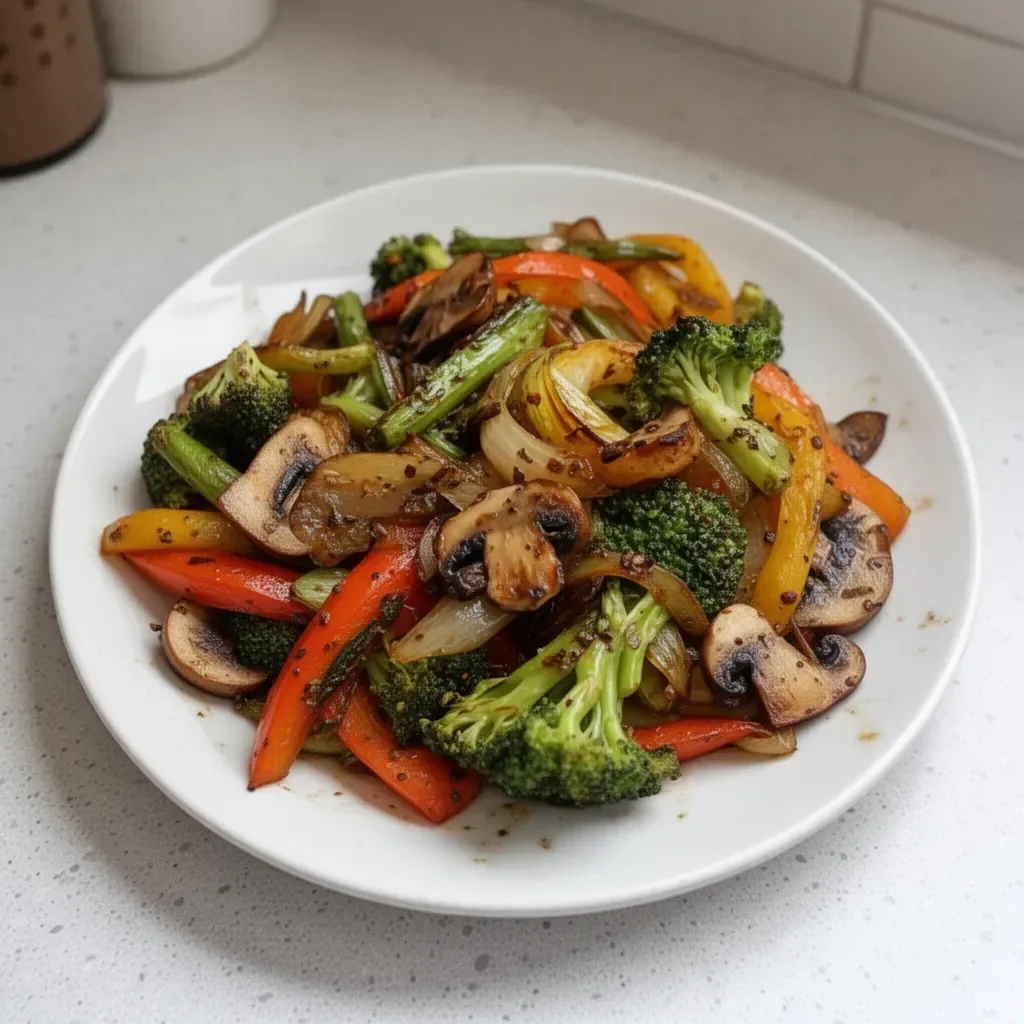
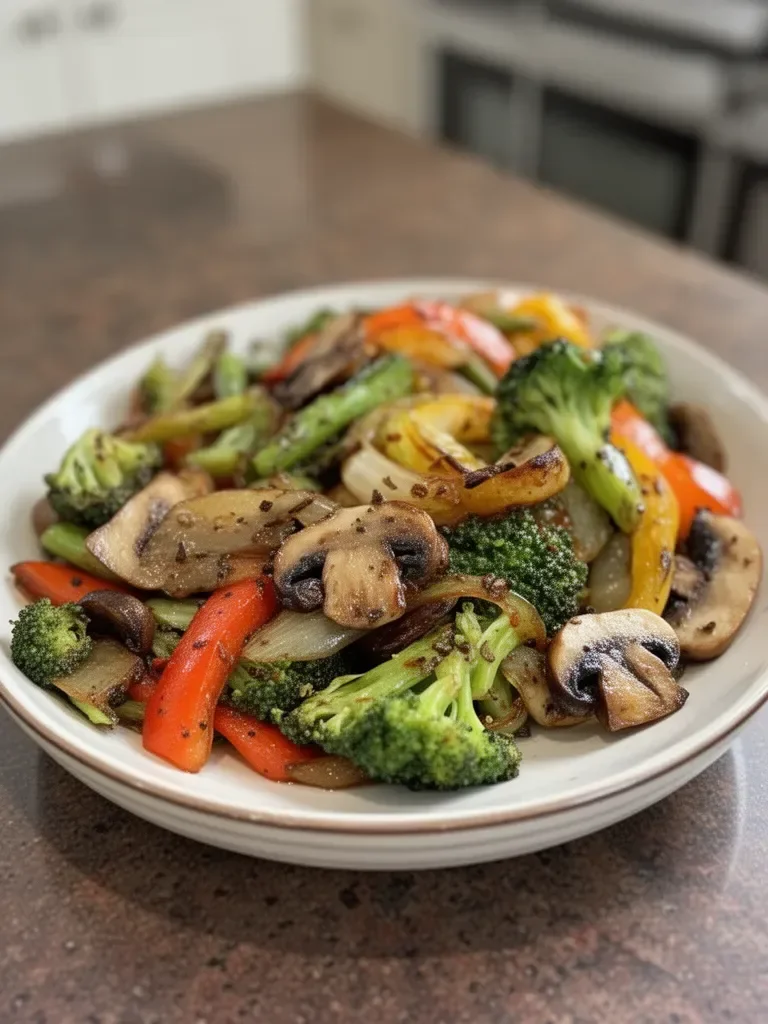
Sautéed vegetables shine brightest when served immediately. Their vibrant colors and tempting aromas create an appealing dish that enhances any meal. For presentation, arrange them artistically on a plate, adding a sprinkle of fresh herbs, nuts, or seeds for an eye-catching touch.
Pair these vibrant vegetables alongside grilled chicken or fish, or serve them as a standalone dish. The possibilities for pairing are almost endless, making them an ideal side dish for any occasion.
Pairings/storage
Healthy sautéed vegetables make an excellent side for a variety of main dishes. Pair them with lean proteins or whole grains for a balanced meal. For storing leftovers, refrigerate them in an airtight container for up to three days.
When reheating, aim to maintain the crispness by using a skillet over medium heat rather than the microwave. A quick sauté in the pan can refresh the texture, ensuring they taste as good as when freshly made.
Healthy sautéed vegetables offer both flavor and nutrition, transforming any meal into a celebration of fresh ingredients. Whether served alongside a main course or enjoyed on their own, this dish perfectly showcases the joy of cooking and sharing good food.
Print
Healthy Sautéed Vegetables
- Prep Time: 10 minutes
- Cook Time: 15 minutes
- Total Time: 25 minutes
- Yield: 4 servings
- Category: Side Dish
- Method: Sautéing
- Cuisine: American
- Diet: Vegetarian
Description
Quick, flavorful, and nutritious sautéed vegetables that are perfect as a side dish.
Ingredients
- 2 tbsp olive oil (or avocado oil/butter)
- 2 cloves garlic, minced
- 1 small onion, thinly sliced
- 1 bell pepper, sliced
- 1 zucchini, sliced into half-moons
- 1 cup broccoli florets
- 1 medium carrot, julienned or sliced thin
- ½ cup snap peas
- ½ cup mushrooms, sliced
- Salt and black pepper, to taste
- 1 tsp lemon juice (optional)
- 1 tsp balsamic vinegar or soy sauce (optional)
Instructions
- Start by washing, peeling (if necessary), and cutting all vegetables into uniform pieces.
- Place your skillet over medium-high heat and add the oil.
- Once the oil is hot, add minced garlic and sliced onions. Sauté for 1-2 minutes until fragrant.
- Next, introduce the harder vegetables: carrots and broccoli. Cook for 3-4 minutes, stirring frequently to prevent burning.
- After the initial vegetables start to soften, add the bell peppers, zucchini, mushrooms, and snap peas. Sauté for another 4-5 minutes until all vegetables are crisp-tender.
- Season with salt and pepper to taste. Enhance the flavor with optional lemon juice or balsamic vinegar/soy sauce.
- Toss everything well and garnish with toasted nuts, seeds, or fresh herbs before serving.
Notes
Serve immediately for the best flavor and texture. Can be paired with various main dishes or enjoyed on their own.