
📑 Table of Contents ▶
There’s a certain magic that happens when you step into the kitchen, ready to transform a handful of ingredients into a flavorful masterpiece. For me, the real joy of cooking lies in those moments when a recipe comes together beautifully, like a well-orchestrated symphony. One of these culinary gems is enchilada sauce—an essential element that elevates a simple dish into something extraordinary.
Enchilada sauce holds a special place in my heart. It’s not just about the taste; it’s about the memories tied to it. I remember the first time I experimented with making it from scratch. The aroma of spices mingling with tomato paste filled the kitchen, and a sense of accomplishment washed over me as I watched the sauce thicken to perfection.
This sauce is more than a recipe; it’s a canvas for creativity. Every time I make it, I tweak it just a bit, trying new variations or adjusting the spices. Enchilada sauce invites you to play, to explore, and to make it your own. It’s not just about following instructions; it’s about finding your unique touch.
Whether you’re a seasoned cook or a kitchen newbie, enchilada sauce is a staple that deserves a spot in your culinary repertoire. With just a few ingredients and a little bit of time, you can create a sauce that’s rich, flavorful, and perfect for any occasion. So, let’s dive into the world of enchilada sauce and discover the magic behind every spoonful.
Print
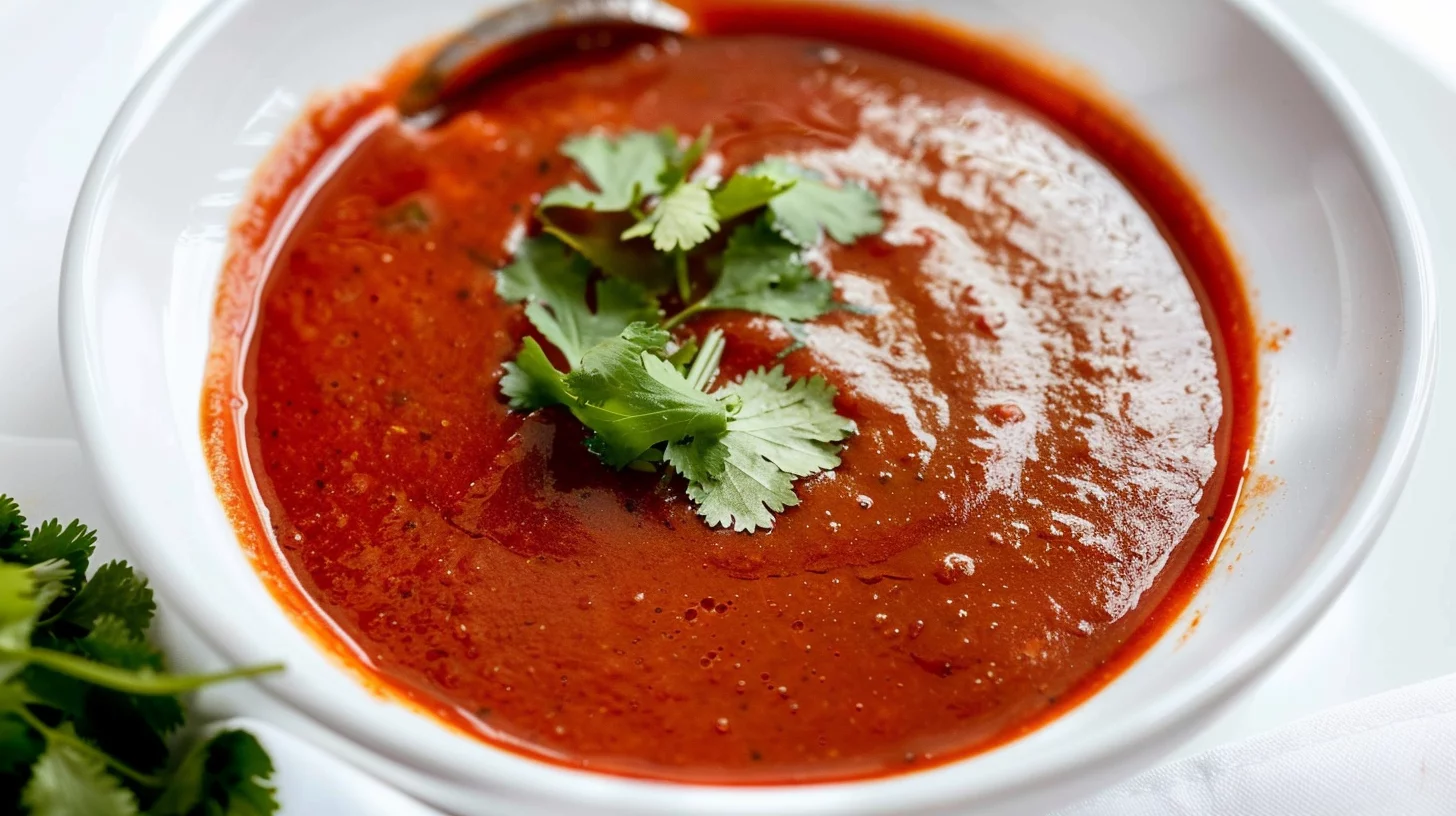
Enchilada Sauce
- Prep Time: 10 minutes
- Cook Time: 20 minutes
- Total Time: 30 minutes
- Yield: 2-4 servings
- Category: Soup
- Method: Boiling
- Cuisine: Italian
Description
Discover how to make authentic enchilada sauce with this easy recipe! Learn the steps to create a rich, flavorful sauce that will elevate your enchilada dishes.
Ingredients
- 3 tablespoon (45 ml) s olive oil
- 3 tablespoon (45 ml) s flour (whole wheat flour, all-purpose flour and gluten-free flour blends all work!)
- 1 tablespoon (15 ml) ground chili powder (scale back if you’re sensitive to spice or using particularly spicy chili powder)
- 1 teaspoon (5 ml) ground cumin
- 1/2 teaspoon (3 ml) garlic powder
- 1/4 teaspoon (1 ml) dried oregano
- 1/4 teaspoon (1 ml) salt, to taste
- Pinch of cinnamon (optional but recommended)
- 2 tablespoon (30 ml) s tomato paste
- 2 cup (480 ml) s vegetable broth
- 1 teaspoon (5 ml) apple cider vinegar or distilled white vinegar
- Freshly ground black pepper, to taste
Instructions
- Measure the dry ingredients, including the flour, chili powder, cumin, garlic powder, oregano, salt, and optional cinnamon, and put them in a small dish close to the stove. Set the tomato paste and broth nearby as well.
- In a medium pot over moderate heat, heat the oil until a small amount of the flour and spice mix sizzles when added. This could take a couple of minutes, so stay close to the stove.
- When ready, add the flour and spice mix to the pot. Stir continuously while cooking until the aroma is released and the color deepens slightly, about 1 minute.
- Mix the tomato paste into the pot, then gradually add the broth while whisking constantly to avoid lumps.
- Increase the heat to medium-high until it starts to simmer, then adjust the heat to keep a gentle simmer. Continue stirring frequently for about 5 to 7 minutes, until the sauce thickens slightly and a spoon meets some resistance when stirred.
- Take the pot off the heat and stir in the vinegar. Season with freshly ground black pepper to your liking. If needed, add more salt (I usually add a pinch or two). Now you’re ready to prepare enchiladas!
Notes
- Whisk in broth slowly for a lump-free sauce and smooth texturenAllow the flour and spices to toast until fragrant to deepen flavornIncorporate vinegar off heat for a bright, balanced taste
Mastering Enchilada Sauce
Fundamentals
Creating the perfect enchilada sauce starts with understanding its core components. At its heart, this sauce blends flour, olive oil, and a mix of spices to create a roux, which serves as the foundation for thickening. The spices—chili powder, cumin, and garlic powder—bring warmth and depth, while oregano and a hint of cinnamon add complexity.
Each ingredient plays a vital role. Flour provides structure, while olive oil adds richness. Chili powder delivers a kick, and cumin imparts an earthy undertone. The tomato paste and vegetable broth combine to form a savory base, perfectly balanced by a splash of vinegar for acidity. This harmonious blend results in a sauce that’s both robust and versatile.
Preparation/Setup
Before diving into the cooking process, gather all your ingredients. Measure out the flour, chili powder, cumin, garlic powder, oregano, salt, and cinnamon. Keep these dry ingredients in a small dish within arm’s reach. Having the tomato paste and vegetable broth close by is also essential for a smooth cooking experience.
With everything in place, heat the olive oil in a medium pot over moderate heat. This step is crucial, as it ensures the spices release their full flavor when added. Patience is key here; wait until a small amount of the flour and spice mix sizzles in the oil before proceeding. This preparation sets the stage for crafting a rich and flavorful enchilada sauce.
Crafting Your Enchilada Sauce
Technique
Once the oil is ready, add the flour and spice mix to the pot. Stir continuously; this step is vital for developing the sauce’s flavor. As the mixture cooks, the aroma intensifies, signaling that the spices are releasing their essential oils. This process takes about a minute, so keep a close eye on it to prevent burning.

Enchilada Sauce
Next, incorporate the tomato paste, stirring it into the fragrant mixture. Gradually whisk in the vegetable broth, maintaining a steady motion to avoid lumps. As the sauce begins to simmer, you’ll notice it thickening, enveloping the spices and tomato paste in a smooth, velvety embrace. This is where the magic happens.
Tips/Tricks
For a sauce that’s perfectly balanced, adjust the heat to maintain a gentle simmer. Stir frequently to prevent sticking and ensure even thickening. Pay attention to the sauce’s consistency; when a spoon meets slight resistance, it’s ready. If you find the sauce too thick, add a bit more broth to reach your desired texture.
Don’t shy away from experimenting with the spices. If you prefer a milder sauce, reduce the chili powder. For a richer depth of flavor, consider adding a touch more cumin or cinnamon. Remember, enchilada sauce is a reflection of your taste, and playing with the ingredients is part of the fun.
Refining Your Enchilada Sauce
Perfecting Results
To achieve the perfect enchilada sauce, focus on balancing flavors. After removing the pot from heat, stir in the vinegar, which adds a bright note that complements the rich, spicy base. Season with freshly ground black pepper and adjust the salt according to your preference. This final touch brings harmony to the sauce.
For a smooth, velvety sauce, ensure your whisking technique is on point. Gradually adding the broth while whisking prevents lumps from forming, resulting in a silky texture. If needed, strain the sauce to remove any remaining bits of flour or spices, ensuring a flawless finish.
Troubleshooting/Variations
If your sauce is too spicy, a touch of sweetness can balance the heat. Consider adding a small amount of sugar or honey to mellow the spice level. Conversely, if the sauce lacks punch, increase the chili powder or add a dash of cayenne pepper for an extra kick.
For those seeking a unique twist, try incorporating different spices. Smoked paprika can lend a smoky depth, while a pinch of nutmeg adds warmth. Adjusting the broth-to-paste ratio allows you to customize the sauce’s thickness to suit various dishes, from enchiladas to [cheese sauce for broccoli].
Serving Enchilada Sauce
Serving/Presentation
Once your enchilada sauce reaches perfection, it’s time to showcase it in a dish that celebrates its flavors. Enchiladas are a natural choice, but this versatile sauce can enhance a variety of recipes. Pour it over burritos, use it as a dip, or drizzle it over [avocado chicken enchiladas in avocado sauce] for a delightful twist.
Presentation matters, so consider garnishing your dish with fresh herbs or a sprinkle of cheese to add visual appeal. A dollop of sour cream or a slice of avocado can provide a creamy contrast, while chopped cilantro or green onions lend a pop of color and freshness.
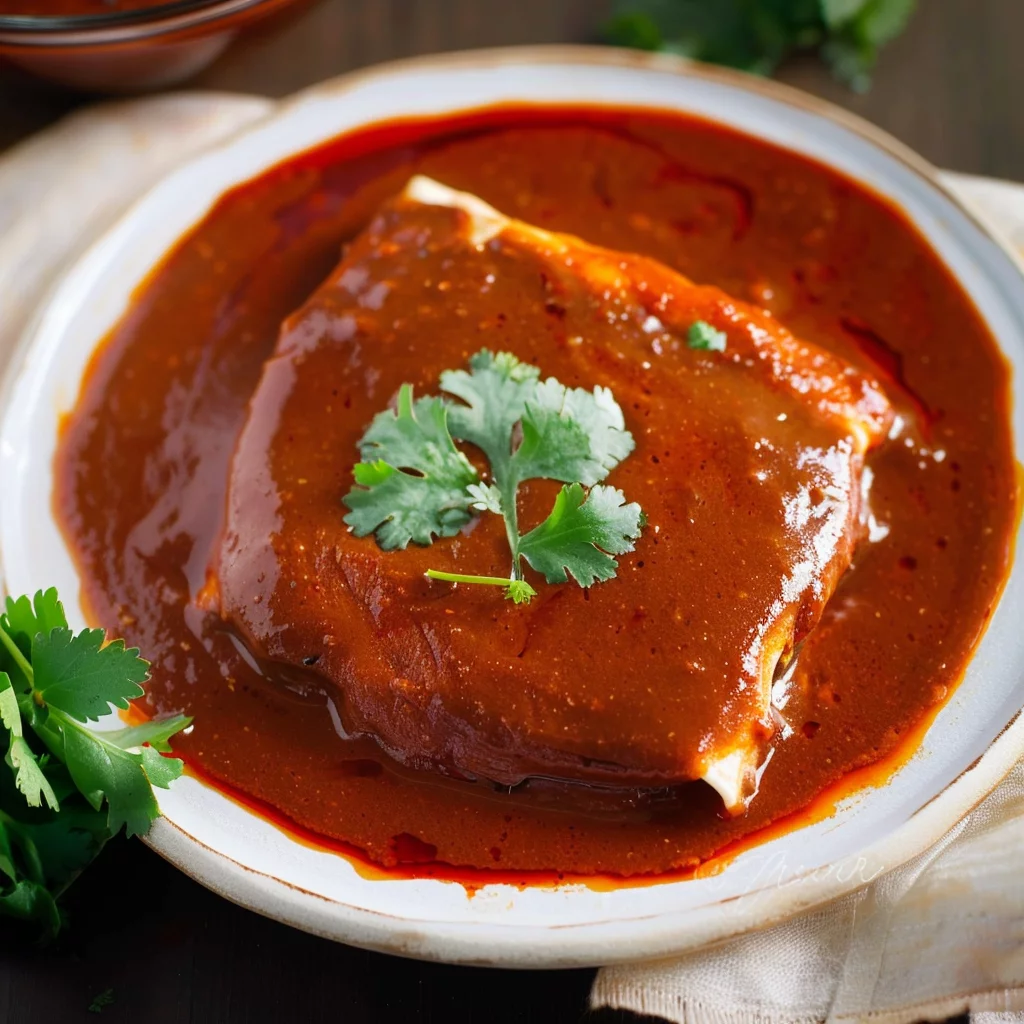
Enchilada Sauce
Pairings/Storage
Enchilada sauce pairs wonderfully with a variety of dishes, from traditional Mexican fare to creative fusion recipes. Try it with [cajun crawfish cream sauce] for a bold, flavorful combination. When storing, keep the sauce in an airtight container in the refrigerator for up to a week, allowing you to enjoy its deliciousness whenever needed.
For longer storage, consider freezing the sauce in portion-sized containers. This way, you can easily defrost just the right amount for your next culinary adventure. Whether used fresh or stored, enchilada sauce remains a versatile and flavorful addition to your kitchen repertoire.
Conclusion
Crafting enchilada sauce from scratch offers a rewarding culinary experience that transforms a handful of ingredients into a rich, flavorful masterpiece. With a balance of spices, a touch of acidity, and a velvety texture, this sauce enhances any dish it accompanies.
Whether you’re making traditional enchiladas, experimenting with new recipes, or simply seeking a versatile sauce, enchilada sauce proves its utility time and again. Its adaptability and depth of flavor make it a staple in any kitchen, ready to elevate your cooking to new heights.