

📑 Table of Contents ▶
Deshnari
Deshnari holds a special place in the world of cooking. A vivid memory takes me back to a family gathering where Deshnari took center stage. The aroma filled the kitchen, teasing everyone’s senses long before the dish hit the table. From the first taste, it was clear that this dish became a family favorite, firmly establishing itself in our recipe rotation.
Deshnari combines simple yet bold flavors, creating an experience for anyone who tries it. Each ingredient plays a vital role in building a robust flavor profile that delights the palate. This dish encourages sharing, laughter, and connection, making it perfect for any occasion, whether a casual weeknight dinner or a festive celebration.
As the food slowly cooks, the anticipation builds. Deshnari transforms the ordinary into something extraordinary, bridging traditions with contemporary tastes. It’s not just about creating a meal; it’s about crafting memories that linger long after the last bite. Discovering the charms of Deshnari elevates dinnertime, where each recipe invites creativity and exploration.
Understanding Deshnari
Fundamentals
Deshnari serves as a wonderful canvas for a variety of flavors. Starting with quality ingredients sets the foundation. Each layer of flavor enhances the dish’s complexity, creating a rich and satisfying experience. The secret lies in balancing spices that harmonize beautifully, letting each component shine while they come together as one cohesive masterpiece.
Traditional Deshnari often features a mix of spices that evoke warmth and comfort. Using fresh herbs amplifies the taste, infusing every bite with character. The dish may vary based on local ingredients, which can introduce unique twists while maintaining its core essence.
Always remember, the quality of your base ingredients can make a significant difference. Whether using fresh or dried, the spices must be stored properly to retain their potency. Each pinch or sprinkle contributes to the dish’s overall aromatic appeal, ensuring it captures attention from the moment it meets the table.
Preparation/setup
Preparation for Deshnari involves gathering all essential ingredients upfront. Consider creating a mise en place, where you measure and prepare items before you start cooking. This organized setup streamlines the cooking process, allowing for easier transitions from one step to the next.
Begin by chopping vegetables and measuring spices. A sharp knife simplifies tasks and improves efficiency. Use quality cookware to ensure even cooking; this tip elevates the overall result.
Once everything is ready, initiate the cooking process with confidence. Deshnari requires attention but rewards patience as the flavors meld and develop during cooking. Engaging with the ingredients and experiencing the cooking journey adds to the enjoyment of preparing this cherished dish.
Ingredients
For a delightful Deshnari, gather the necessary ingredients, ensuring freshness to maximize flavor. Consider the following components that typically find their place in this dish:
- A mix of vegetables, for example, onions, bell peppers, and garlic.
- Suitable proteins such as chicken or legumes can bring substance and nourishment.
- A well-selected array of spices, including cumin, coriander, and turmeric.
- Fresh herbs like cilantro or parsley, which brighten the dish.
- Optional additions, such as nuts or dried fruits, can introduce texture and subtle sweetness.
Directions
Cook Deshnari by following these straightforward steps. Start by heating oil in a pan over medium heat. Add chopped onions and sauté them until they turn golden. Then, incorporate the garlic, allowing its aroma to fill the kitchen. Next, add your protein choice, cooking until it’s browned and cooked through.
Once the protein is ready, introduce your mix of vegetables. Stir everything together, letting the vegetables soften and absorb the spices’ flavors. Gradually add the selected spices, focusing on ensuring even distribution. Adjust seasoning to personal preference before letting the dish simmer for several minutes.
As it cooks, be mindful of the consistency. If needed, add a splash of broth or water to create the desired texture. Finish the cooking process by incorporating fresh herbs right at the end, allowing their brightness to shine through.
When your Deshnari is fully cooked, remove it from heat and prepare to serve.
Exploring Deshnari Techniques
Technique
Mastering the techniques behind Deshnari can elevate the dish further. Start by ensuring proper sautéing techniques to build flavor right from the beginning. Searing proteins well can add a beautiful color and depth to the dish.
Pay attention to the cooking times for each ingredient. Vegetables shouldn’t overcook; they need to retain some crunch for a satisfying bite. Incorporating ingredients in stages allows them to shine individually while combining harmoniously in the final dish.
Another critical technique involves seasoning gradually. Adding spices incrementally manages intensity, ensuring optimal flavor balance without overwhelming the dish.
Tips/tricks
Successful execution of Deshnari often depends on simple tips and tricks. One excellent practice includes toasting whole spices before grinding them. This method releases essential oils, providing a more robust flavor profile.
Use acid to brighten the dish—an unexpected splash of lemon juice or a sprinkle of vinegar can transform the flavors. Always stay engaged with the dish, tasting as you go to adjust flavors according to personal preference.
For added texture or richness, consider using a final drizzle of high-quality oil or a sprinkle of nuts. These elements add layers while enhancing the overall dining experience. Keep experimenting, and don’t shy away from personal twists on the traditional recipe; this discovery can lead to unique variations of your own.
Perfecting Deshnari Results
Perfecting results
To achieve exceptional results with Deshnari, fine-tuning is vital. Ensure that you taste the dish at each stage, adjusting flavors before serving. This step helps create a well-rounded experience that excites the palate.
Ideal cooking times may vary based on the specific protein or vegetables chosen. Therefore, knowing how your ingredients respond to heat will lead to a greater overall dish. Browning proteins correctly ensures moisture retention and adds savory flavors.
Final touches can include garnishing with fresh herbs right before serving. Their bright color and fresh aroma enhance the dish aesthetically and flavorfully.
Troubleshooting/variations
Throughout the cooking process, troubleshooting could arise. If the dish feels too dry, a splash of broth or water can restore moisture, keeping all elements pleasantly cohesive. Conversely, if it turns too soupy, uncover it and let it simmer for a short while, allowing excess liquid to evaporate.
For alternative variations, consider incorporating seasonal vegetables, which may inspire fresh takes on the recipe. Substituting proteins—exploring different kinds of fish, poultry, or vegetarian proteins—can yield entirely new dining experiences while maintaining the essence of Deshnari.
Customizing spice levels enables you to embrace personal preferences, accommodating mild or spicy tastes that resonate with your household. Keeping an open mind allows Deshnari to adapt and grow with your culinary explorations.
Presenting Deshnari
Serving/presentation
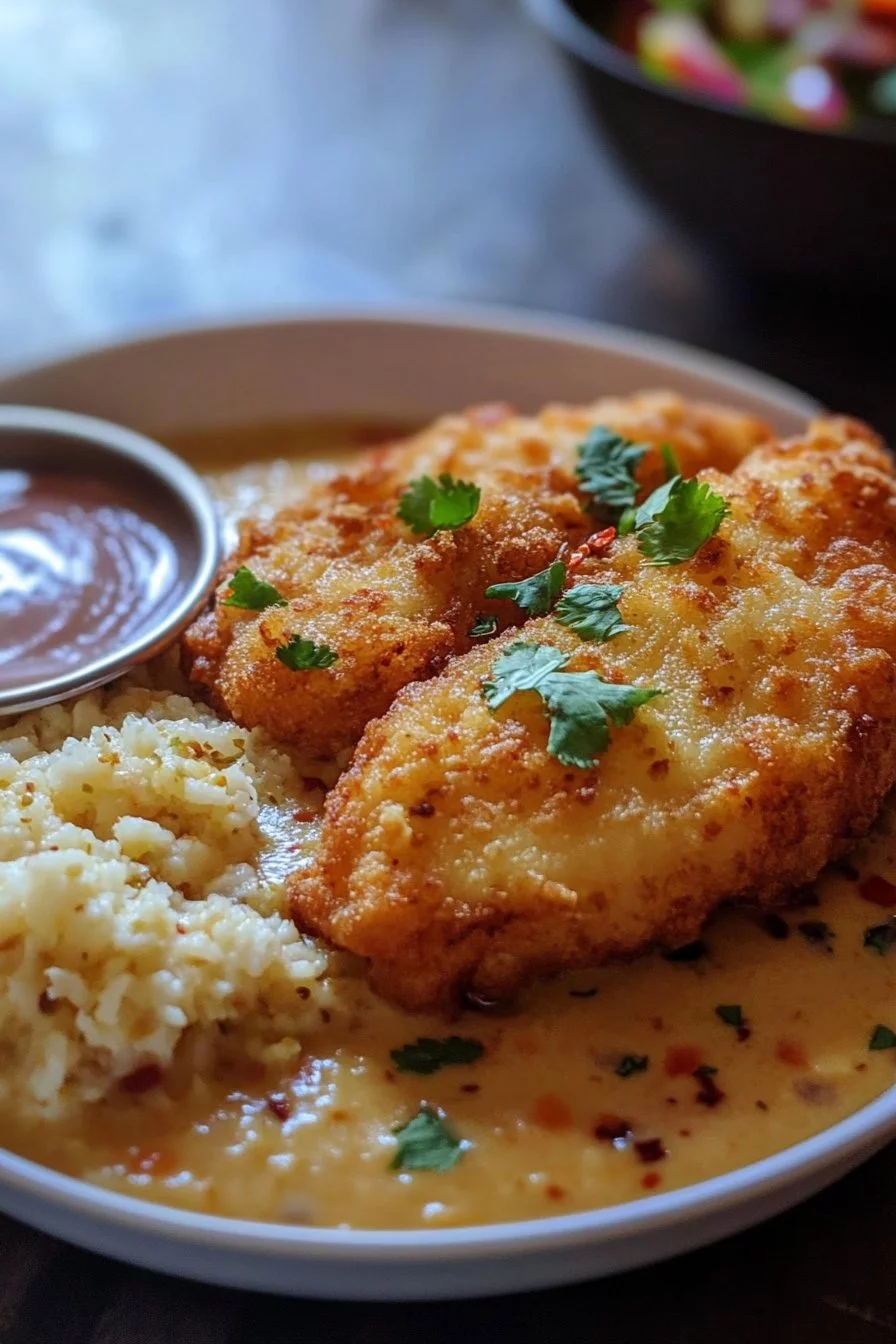
Presentation plays a significant role in enjoying Deshnari. Use beautiful serving dishes or bowls to enhance the visual appeal of the meal. Consider layer placement; a base of grain or sides often works well to showcase the saucy delight above.
Garnish with a sprinkle of fresh herbs or toasted seeds adds flair and invites attention. Color contrasts between the dish and serving utensils help delineate different components while making everything visually appealing.
Pairings/storage
Deshnari pairs wonderfully with a variety of side dishes. Consider accompanying it with whole grains, steamed vegetables, or a simple salad. These options create balance while complementing the bold flavors of the dish without overwhelming them.
For storage, keep leftovers in an airtight container in the refrigerator. Properly stored, Deshnari remains fresh for a few days, allowing for easy reheating later.
When reheating, add a splash of water to maintain moisture, ensuring a delicious meal can return to the table even after a day or two. Experimenting with the leftovers may lead to exciting new creations that continue the journey of this beautiful dish.
Burger version, tacos, and soups can emerge from the simplicity of Deshnari as you explore dynamic new flavors with existing ingredients.
Deshnari can offer endless culinary adventures; enjoying each delightful transformation can make cooking a thrilling experience.
Print
Deshnari
- Prep Time: 15 minutes
- Cook Time: 30 minutes
- Total Time: 45 minutes
- Yield: 4 servings
- Category: Main Course
- Method: Sautéing
- Cuisine: Indian
- Diet: Non-Vegetarian
Description
Deshnari is a flavorful dish that brings together simple ingredients and bold spices, perfect for family gatherings and celebrations.
Ingredients
- 1 cup chopped onions
- 1 cup chopped bell peppers
- 2 cloves garlic, minced
- 2 cups diced chicken or 1 can legumes
- 1 tsp cumin
- 1 tsp coriander
- 1 tsp turmeric
- 1/4 cup chopped fresh cilantro or parsley
- Optional: 1/2 cup nuts or dried fruits
- Salt and pepper to taste
- 2 tbsp cooking oil
Instructions
- Heat oil in a pan over medium heat.
- Add chopped onions and sauté until golden.
- Incorporate garlic and cook until fragrant.
- Add chicken or legumes and cook until browned and cooked through.
- Stir in mixed vegetables and let them soften.
- Gradually introduce spices and adjust seasoning to taste.
- Let the dish simmer for several minutes, adding broth or water for desired consistency.
- Add fresh herbs just before serving.
Notes
For best results, toast spices before use. Taste and adjust flavors throughout the cooking process.