
📑 Table of Contents ▶
Best Sponge Cake Recipe: A Blissfully Light Delight for All
Baking sponge cakes has always held a special place in my heart. In my youth, the aroma of freshly baked sponge cake would waft through my home, signaling joyful gatherings and sweet celebrations. Each occasion marked by this light, fluffy cake carried with it the kind of warmth that only homemade treats can provide. As I would watch my family dive into that delicate dessert, I realized just how wonderful a well-made sponge cake can be.
The beauty of a sponge cake lies in its simplicity. Using just a handful of ingredients, it transforms into a delightful centerpiece for any table. This sponge cake recipe will leave you with a canvas for creativity, whether you choose to enjoy it plain or layer it with your favorite fillings. By following this easy recipe, you too will find joy in each slice that melts in your mouth.
Delighting in the process of making sponge cake is part of the joy. From whisking the eggs to folding in the ingredients, every step brings you closer to a delicious masterpiece. With that in mind, let’s gather our ingredients and start creating this blissfully light delight. Watch as your kitchen fills with the comforting scent of freshly baked sponge cake.
Understanding Sponge Cake
Fundamentals
A sponge cake relies on just a few essential ingredients to achieve its light and airy texture. At its core, sponge cake consists of eggs, sugar, flour, baking powder, and salt. Each ingredient plays a crucial role in creating the delightful structure of this dessert. The eggs provide the necessary lift and richness, while sugar adds sweetness and helps to stabilize the mixture during baking.
A well-executed sponge cake can showcase the versatility of these basic components. By whipping the eggs and sugar together, you create an emulsion that traps air, allowing the cake to rise beautifully. This process, along with the careful folding of dry ingredients, ensures a cake that retains its fluffiness and lightness.
To make a sponge cake that impresses, understand the interplay between these ingredients. Knowing how they work together makes all the difference between a dense cake and a splendidly light marvel. A little time devoted to mastering these fundamentals pays off in spades when serving up a show-stopping dessert.
Preparation/Setup
Before diving into the mixing process, proper preparation sets the stage for success. Preheat your oven to 350°F (175°C) and prepare your 8-inch round cake pan. Grease and flour the pan to prevent any sticking during the baking process, or line it with parchment paper for an easy release.
Ensure that your eggs sit at room temperature, as this enhances their ability to whip up into a frothy mixture. This crucial step influences the overall volume of the egg mixture, leading to an airy sponge cake. Assemble all your ingredients on the countertop, measuring them out for convenience.
Having everything ready allows you to focus on the mixing and baking, ensuring a smooth workflow. Take a deep breath and prepare to enjoy this delightful journey in baking.
Ingredients
To create this delightful sponge cake, you’ll need:
- 4 large eggs, at room temperature
- 1 cup granulated sugar
- 1 teaspoon vanilla extract
- 1 cup all-purpose flour
- 1 teaspoon baking powder
- 1/4 teaspoon salt
- 1/4 cup unsalted butter, melted and cooled
- Powdered sugar for dusting (optional)
Directions
- Preheat your oven to 350°F (175°C) and grease and flour an 8-inch round cake pan or line it with parchment paper.
- In a large mixing bowl, combine the eggs and granulated sugar. Beat on high speed for about 5-7 minutes until thick and pale. Stir in the vanilla extract.
- In a separate bowl, sift together the all-purpose flour, baking powder, and salt.
- Gently fold the dry ingredients into the egg mixture using a spatula. Drizzle the melted butter over the batter and fold it in until combined.
- Pour the batter into the prepared cake pan and smooth the top. Bake for 25-30 minutes, or until a toothpick inserted into the center comes out clean.
- Remove the cake from the oven and let it cool in the pan for 10 minutes. Transfer to a wire rack to cool completely. Dust with powdered sugar if desired, and slice to serve.
Mastering the Technique
Technique
Achieving the perfect sponge cake requires mastering a few key techniques. Start by ensuring your mixing equipment is clean and free of grease. Any residue can inhibit the egg whites from whipping effectively. You can enhance the volume by using a stand mixer or hand mixer with a whisk attachment.
When mixing the eggs and sugar, it’s important to reach the right consistency—thick and pale. This process incorporates air, allowing the cake to rise as it bakes.
When it comes to folding in the dry ingredients, take care. Use a gentle hand to preserve the volume you’ve created. Over-mixing can lead to a dense cake. Instead, bring the dry ingredients into the egg mixture with a light and circular motion. Drizzling in the melted butter last ensures it incorporates without deflating the batter.
Tips/Tricks
For successful sponge cake baking, pay attention to these essential tips. Use fresh eggs for the best volume and flavor. Also, measure ingredients accurately to avoid altering the cake’s texture.
Consider sifting flour and dry ingredients before mixing to eliminate lumps. Additionally, don’t skip the cooling time once the cake comes out of the oven. Allowing it to cool in the pan before transferring it to a wire rack helps maintain its structure, preventing breakage.
Experiment with this sponge cake recipe as a base. Flavor it with citrus Zest or dedicated spices to customize it to your preference. Try incorporating a fruit puree or even folding in chocolate chips to add a fun twist.
Perfecting Results
Perfecting Results
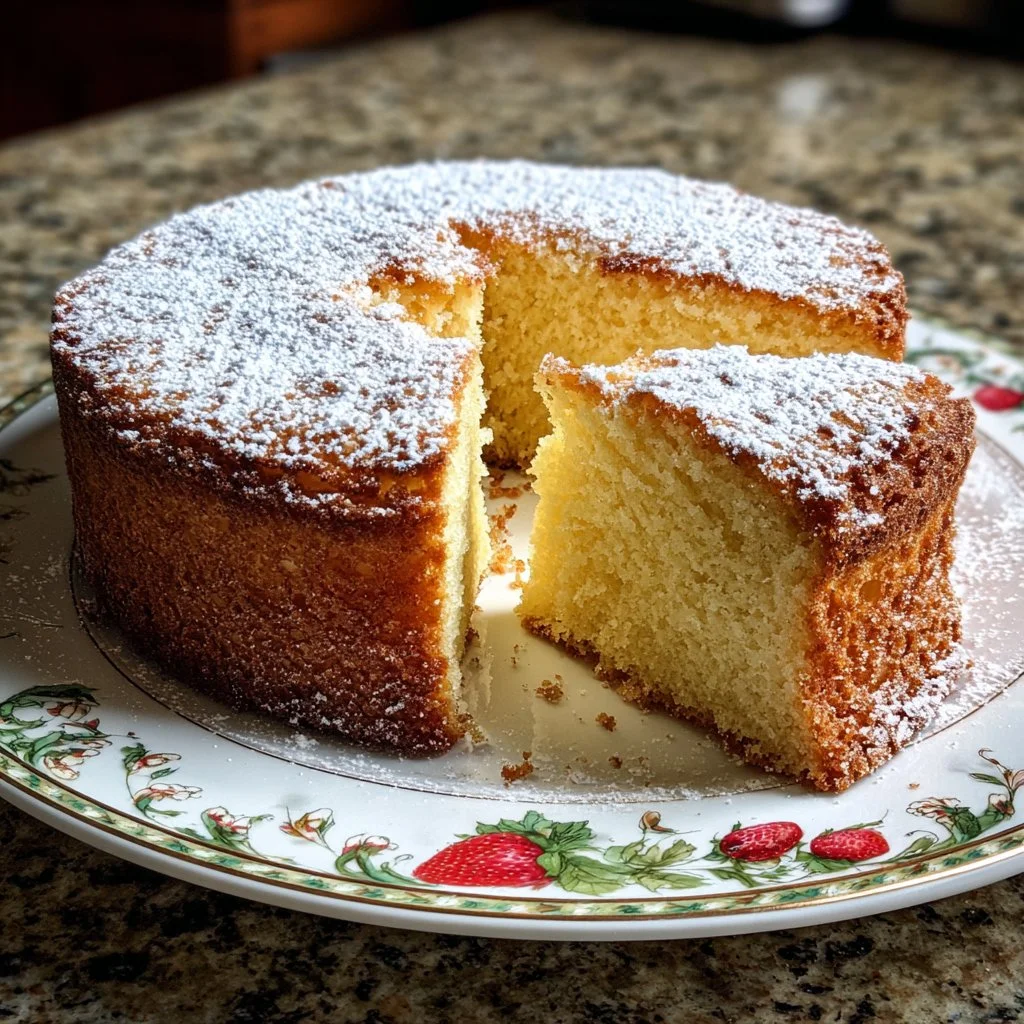
Achieving the ideal sponge cake comes with practice. One way to test for doneness is by inserting a toothpick into the center of the cake. If it comes out clean, your cake is ready. If you see wet batter, give it a few more minutes in the oven.
Pay attention to the cake’s sides. They should pull away slightly from the edges of the pan when done. This visual cue signals that it has reached the right temperature, ensuring even baking throughout.
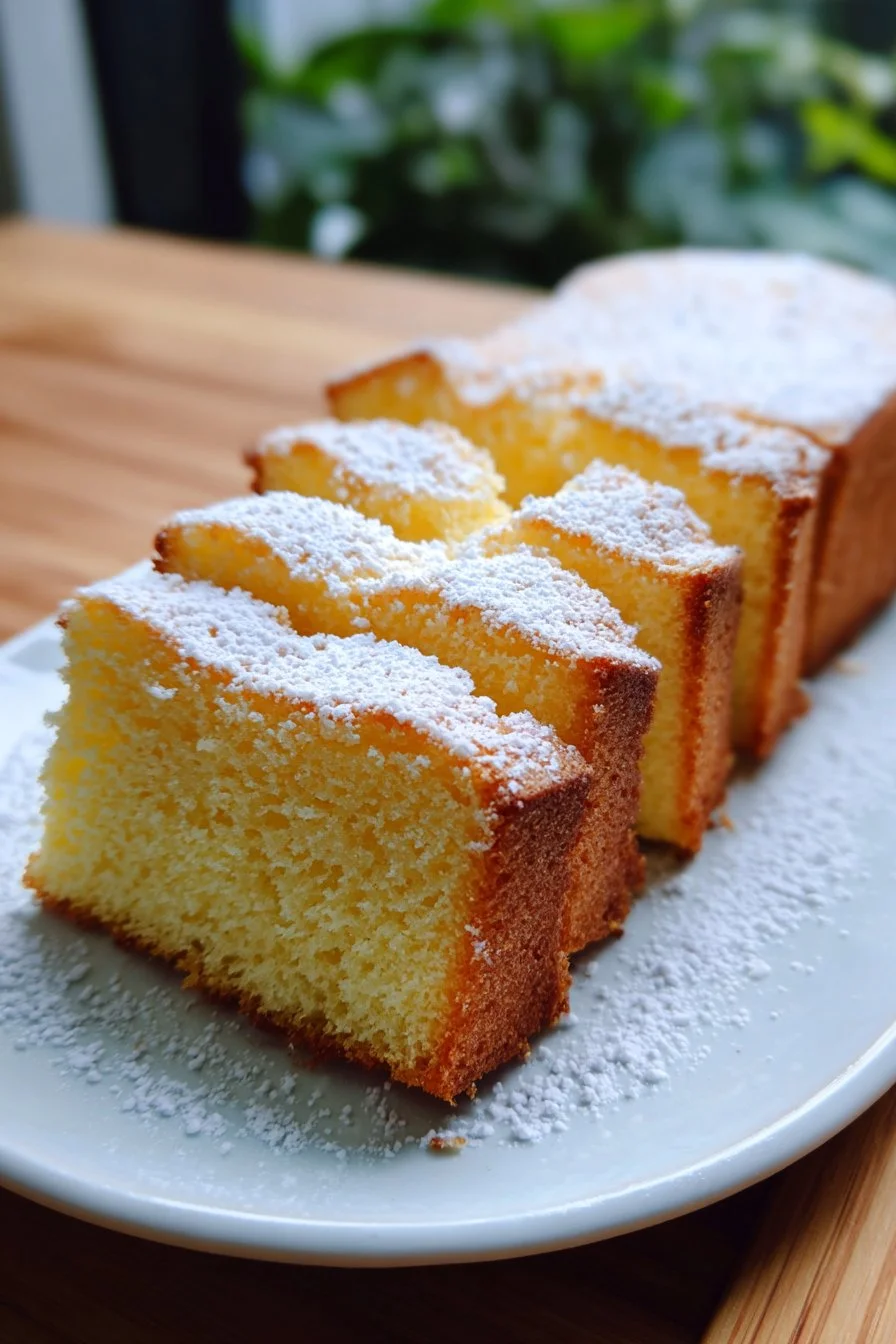
After cooling, use a serrated knife to slice the sponge cake evenly. This technique helps achieve clean edges, particularly if you want to layer or frost your cake in the future.
Troubleshooting/Variations
Sometimes, things don’t go as planned in the kitchen. If your sponge cake sinks in the middle, it may need a little more time in the oven. Ensure your oven temperature is accurate by using an oven thermometer.
If you notice a dense texture, check the folding technique. The aim is to gently incorporate air without deflating the batter. For variations, consider adding flavors in the vanilla extract stage. Almond or lemon extract can elevate the sponge cake experience.
If you encounter a dry cake, consider reducing the bake time slightly. Each oven can have its quirks, so it’s essential to stay vigilant while baking.
Serving and Storage
Serving/Presentation
Presenting your sponge cake beautifully can be a delightful part of the process. Slice the cooled cake into even pieces and dust with powdered sugar for a classic look.
Consider adding fresh fruit or a dollop of whipped cream alongside slices for an elegant touch. Layering this sponge cake with jam or fresh fruit between the layers creates an inviting dessert. Garnish with mint leaves for added color and freshness.
Pairings/Storage
The minimalist flavor profile of a sponge cake pairs delightfully with a variety of accompaniments. Serve it alongside fresh berries for a refreshing twist or with a cup of tea or coffee.
To store your sponge cake properly, wrap it tightly in plastic wrap or place it in an airtight container. This method preserves its freshness for up to three days at room temperature. For longer storage, consider freezing individual slices. Just wrap them securely in foil and place them inside a freezer bag.
Conclusion
Baking a sponge cake offers an experience rich with nostalgia, joy, and the delightful anticipation of sharing a treat with loved ones. Each bite delivers a light, airy texture that pairs wonderfully with various flavors and toppings. By understanding the ingredients and employing proven techniques, you elevate your baking prowess.
Make this best sponge cake recipe your go-to baking project. With just a few simple ingredients and proper techniques, you create a dessert that radiates happiness and comfort. Enjoy the journey of creating this blissful delight that brings smiles to every table.
Print
Best Sponge Cake Recipe
- Prep Time: 15 minutes
- Cook Time: 30 minutes
- Total Time: 45 minutes
- Yield: 8 servings
- Category: Dessert
- Method: Baking
- Cuisine: American
- Diet: Vegetarian
Description
A blissfully light delight that’s perfect for any celebration, easily customizable with favorite fillings.
Ingredients
- 4 large eggs, at room temperature
- 1 cup granulated sugar
- 1 teaspoon vanilla extract
- 1 cup all-purpose flour
- 1 teaspoon baking powder
- 1/4 teaspoon salt
- 1/4 cup unsalted butter, melted and cooled
- Powdered sugar for dusting (optional)
Instructions
- Preheat your oven to 350°F (175°C) and grease and flour an 8-inch round cake pan or line it with parchment paper.
- Combine the eggs and granulated sugar in a large mixing bowl. Beat on high speed for about 5-7 minutes until thick and pale. Stir in the vanilla extract.
- Sift together the all-purpose flour, baking powder, and salt in a separate bowl.
- Fold the dry ingredients into the egg mixture using a spatula. Drizzle the melted butter over the batter and fold it in until combined.
- Pour the batter into the prepared cake pan and smooth the top. Bake for 25-30 minutes, or until a toothpick inserted into the center comes out clean.
- Remove the cake from the oven and let it cool in the pan for 10 minutes. Transfer to a wire rack to cool completely. Dust with powdered sugar if desired, and slice to serve.
Notes
Use fresh eggs for better volume and flavor. Measure ingredients accurately for best results.