
📑 Table of Contents ▶
- Peruvian Squash Stew
- Peruvian Squash Stew Basics
- Fundamentals
- Preparation/Setup
- Cooking Technique for Peruvian Squash Stew
- Technique
- Tips/Tricks
- Perfecting and Customizing Peruvian Squash Stew
- Perfecting Results
- Troubleshooting/Variations
- Serving and Pairing Your Peruvian Squash Stew
- Serving/Presentation
- Pairings/Storage
- Conclusion
- FAQs – Peruvian Squash Stew
Growing up, the kitchen was my playground. I remember the vibrant colors and intoxicating aromas that filled the room when my grandmother cooked her traditional Peruvian Squash Stew. This dish wasn’t just a meal; it was an experience that brought everyone together. The hearty stew simmering on the stove was like a warm hug on a chilly day, overflowing with rich flavors and textures.
My grandmother’s kitchen was a place of laughter and learning. She would hand me a spoon and let me stir the pot, explaining each ingredient’s role in creating her beloved Peruvian Squash Stew. The process was as comforting as the stew itself, turning ordinary days into cherished memories. It was here that my love for cooking blossomed, and I learned the true magic of food.
Now, I carry on this tradition, creating my own version of Peruvian Squash Stew. It’s a recipe that captures the spirit of my childhood, blending fresh ingredients and bold flavors. Each time I make it, I’m reminded of those joyful days spent in the kitchen, surrounded by love and the promise of something delicious. My hope is that this stew becomes a staple in your home, too, bringing warmth and togetherness just as it did in mine.

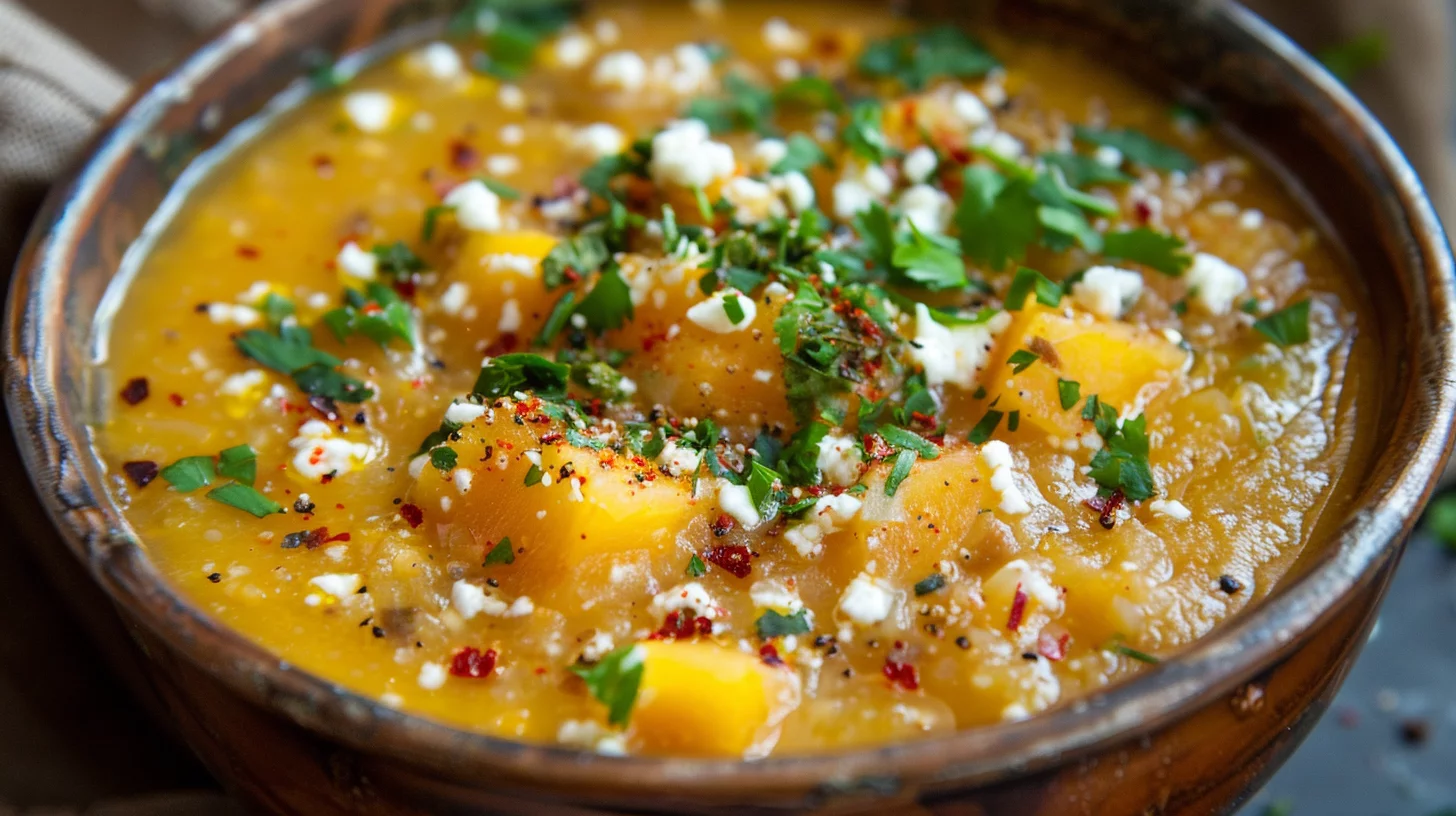
Peruvian Squash Stew
- Prep Time: 15 minutes
- Cook Time: 40 minutes
- Total Time: 55 minutes
- Yield: 4 servings
- Category: Main Course
- Method: Simmering
- Cuisine: Peruvian
Description
Discover how to make a delicious Peruvian Squash Stew with this easy recipe. Learn the traditional flavors and techniques for a flavorful meal.
Ingredients
- 1 tablespoon vegetable oil (15 ml)
- 1 medium onion, chopped
- 4 cloves garlic, minced
- 2 tablespoons (30 ml) aji amarillo paste
- 2 pounds squash, peeled and cubed (butternut squash or other firm squash) (900 g)
- 2 ears corn, shucked and kernels removed
- 2 cups vegetable stock (475 ml)
- 1 cup (240 ml) cooked beans, use fava beans, lima beans, or other
- 1 medium potato, peeled and cubed
- 1/4 cup coconut milk (60 ml)
- 1 cup (240 ml) queso fresco, or use dairy-free cheese
- Salt and pepper to taste
- For Garnish: Fresh chopped herbs (huacatay or cilantro), red pepper flakes, extra queso fresco
- 1 pound shrimp, peeled and deveined (optional) (450 g)
Instructions
- Warm up the vegetable oil in a big pot on medium heat. Toss in the onion with a pinch of salt and pepper, and let it cook for about 5 minutes until it becomes tender.
- Introduce the garlic, stirring, and let it cook for around 1 minute until you can smell its aroma.
- Mix in the aji amarillo paste and let it cook for another minute to release its flavors.
- Add the squash, corn, and vegetable stock into the pot. Season with salt and pepper as needed. Allow it to reach a boil, then lower the heat and let it simmer for 15 minutes.
- Incorporate the potato and beans. Continue to simmer for an additional 15 minutes, or until the potatoes are soft.
- Blend in the coconut milk and queso fresco. Let it simmer for 5 minutes to slightly thicken.
- If you’re including the optional shrimp, nestle them into the stew to cook with the milk.
- Take the pot off the heat. Check the seasoning and adjust the salt and pepper if necessary.
- Decorate with garnishes and serve hot.
Notes
- Consider incorporating some of the cooked beans into the stew for a smoother consistency before adding the coconut milk and queso fresco.
- Make sure shrimp are cooked just until pink and opaque.
- Feel free to use different types of beans like black beans or kidney beans to suit your taste preferences.
Peruvian Squash Stew Basics
Fundamentals
Peruvian Squash Stew is a dish that embodies the heart and soul of home cooking. The key to its rich flavor lies in the combination of fresh, vibrant ingredients. Squash forms the base, offering a creamy texture and subtle sweetness that complements the savory elements. Aji amarillo paste introduces a gentle heat, while coconut milk adds a touch of creaminess.
Fresh corn and potatoes provide a hearty bite, and the addition of beans enhances the stew’s nutritional value. Queso fresco offers a tangy contrast, melting into the stew to create a luscious finish. The optional shrimp elevates the dish, infusing it with a delicate seafood flavor that pairs perfectly with the other ingredients.
Preparation/Setup
Before you start cooking, gather all your ingredients to ensure a smooth process. Peel and cube the squash and potatoes, shuck the corn, and chop the onion. Mince the garlic for a burst of aroma and flavor. Have the vegetable stock and coconut milk ready, and crumble the queso fresco for easy incorporation.
Preheating the pot and measuring the ingredients beforehand makes the cooking process seamless. As the stew simmers, you’ll have time to prepare the garnishes, such as freshly chopped herbs and extra queso fresco. These finishing touches will add color and vibrancy to your final dish.
Cooking Technique for Peruvian Squash Stew
Technique
The technique behind a perfect Peruvian Squash Stew lies in layering flavors. Start by sautéing the onion in vegetable oil until tender. This step creates a savory base for the stew. Adding garlic enhances the aroma, while aji amarillo paste infuses the stew with its characteristic warmth and depth.
Introduce the squash, corn, and vegetable stock, allowing them to simmer together. This step melds the flavors, creating a harmonious blend. As the squash cooks, it releases its natural sweetness, which balances the spicy notes of the aji amarillo paste.

Peruvian Squash Stew
Tips/Tricks
For an enhanced flavor, toast the aji amarillo paste slightly before adding it to the pot. This technique releases the paste’s aromatic oils, deepening the stew’s flavor. If you prefer a thicker stew, mash some of the cooked squash and potatoes against the side of the pot. This trick naturally thickens the stew without additional ingredients.
Don’t rush the simmering process; allowing the stew to cook slowly ensures the flavors develop fully. If you’re adding shrimp, do so in the last few minutes of cooking to avoid overcooking and maintain their tender texture.
Perfecting and Customizing Peruvian Squash Stew
Perfecting Results
Achieving perfection with Peruvian Squash Stew depends on balancing flavors and textures. Taste as you cook, adjusting the seasoning with salt and pepper. The sweetness of the squash should balance with the heat of the aji amarillo paste and the saltiness of the queso fresco.
For a smooth consistency, consider blending a portion of the stew before adding the beans and potatoes. This method enhances the creamy texture while retaining the heartiness from the whole ingredients. Garnishing with fresh herbs not only adds a pop of color but also a layer of freshness to the dish.
Troubleshooting/Variations
If your stew turns out too spicy, add additional coconut milk to mellow the heat. For a vegetarian option, omit the shrimp and increase the beans for added protein. Different squash varieties can be used, such as kabocha or acorn squash, each offering a unique flavor profile.
Explore different cheese options if queso fresco is unavailable. Feta or a dairy-free cheese can provide a similar tangy contrast. For creative variations, you might enjoy this Green Chile Stew with Ground Beef or explore a unique twist with Venison Birria Stew.
Serving and Pairing Your Peruvian Squash Stew
Serving/Presentation
Peruvian Squash Stew shines when served in a vibrant bowl, garnished with fresh herbs and a sprinkle of red pepper flakes. This presentation not only enhances the visual appeal but also invites diners to savor each spoonful. Pair the stew with crusty bread to soak up the flavorful broth.
For a festive touch, serve the stew in hollowed-out squash halves. This method adds an element of surprise and showcases the dish’s main ingredient. The stew’s vibrant colors and rich aromas will certainly captivate your guests.
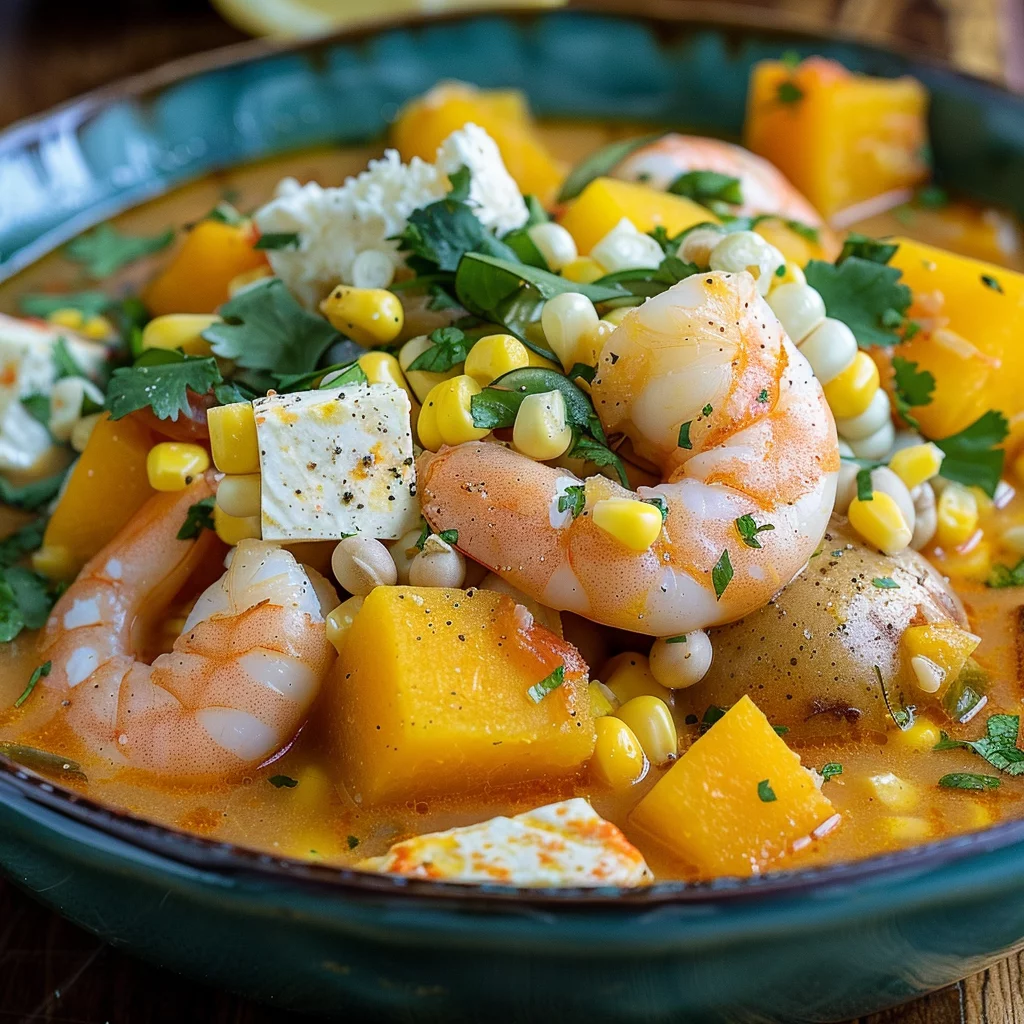
Peruvian Squash Stew
Pairings/Storage
Consider pairing the stew with a light salad, such as one featuring fresh greens and citrus. The acidity balances the stew’s richness, offering a refreshing contrast. For storage, keep the stew in an airtight container in the refrigerator for up to three days. Reheat gently to maintain its creamy consistency.
For other creative stew ideas, check out this Sous Vide Beef Stew recipe for a different cooking technique. Or, if you enjoy squash-based dishes, try this Honey Roasted Butternut Squash with Cranberries.
Conclusion
Peruvian Squash Stew is a dish that brings warmth and joy to any table. Its rich flavors and creamy texture make it a comforting choice for family meals and gatherings. The versatility in ingredients allows for creative variations, ensuring there’s a version for everyone.
The stew’s ability to bring people together is its true strength. Whether you’re sharing it with family or friends, it serves as a reminder of the simple pleasures in life. With each spoonful, you’re not just enjoying a meal; you’re creating memories that will last a lifetime.