
📑 Table of Contents ▶
- Foraged Wild Game Pantry
- Mastering the Foraged Wild Game Pantry
- Fundamentals
- Preparation/setup
- Crafting the Perfect Terrine
- Technique
- Tips/tricks
- Elevating the Foraged Wild Game Pantry Experience
- Perfecting results
- Troubleshooting/variations
- Serving and Storing Your Culinary Creation
- Serving/presentation
- Pairings/storage
- Conclusion
- FAQs – Foraged Wild Game Pantry
- More recipes you may like
Growing up in a family that adored cooking, I found myself drawn to the art of crafting dishes from scratch. The kitchen was always a bustling hub, filled with the delightful aromas of spices and the comforting warmth of the oven. It was in this environment that I first encountered the joy of using foraged wild game pantry ingredients, a tradition that has stayed with me ever since.
The first time I experimented with chicken livers and wild mushrooms, I was instantly captivated by the earthy flavors and the sense of adventure they brought to the table. The process of transforming these ingredients into a terrine was not just about creating a dish but about discovering a deeper appreciation for the simplicity and richness of nature’s bounty.
As I grew more confident in the kitchen, I realized the beauty of working with a foraged wild game pantry, where each ingredient tells a story of its own. The journey of creating this terrine became a cherished ritual—a moment to pause and connect with the age-old tradition of crafting food that nourishes both the body and soul.
Today, I invite you to join me in exploring the wonders of a foraged wild game pantry. Together, we’ll dive into the art of preparing a chicken liver and wild mushroom terrine, a dish that celebrates the flavors and textures of each carefully selected ingredient.
Print
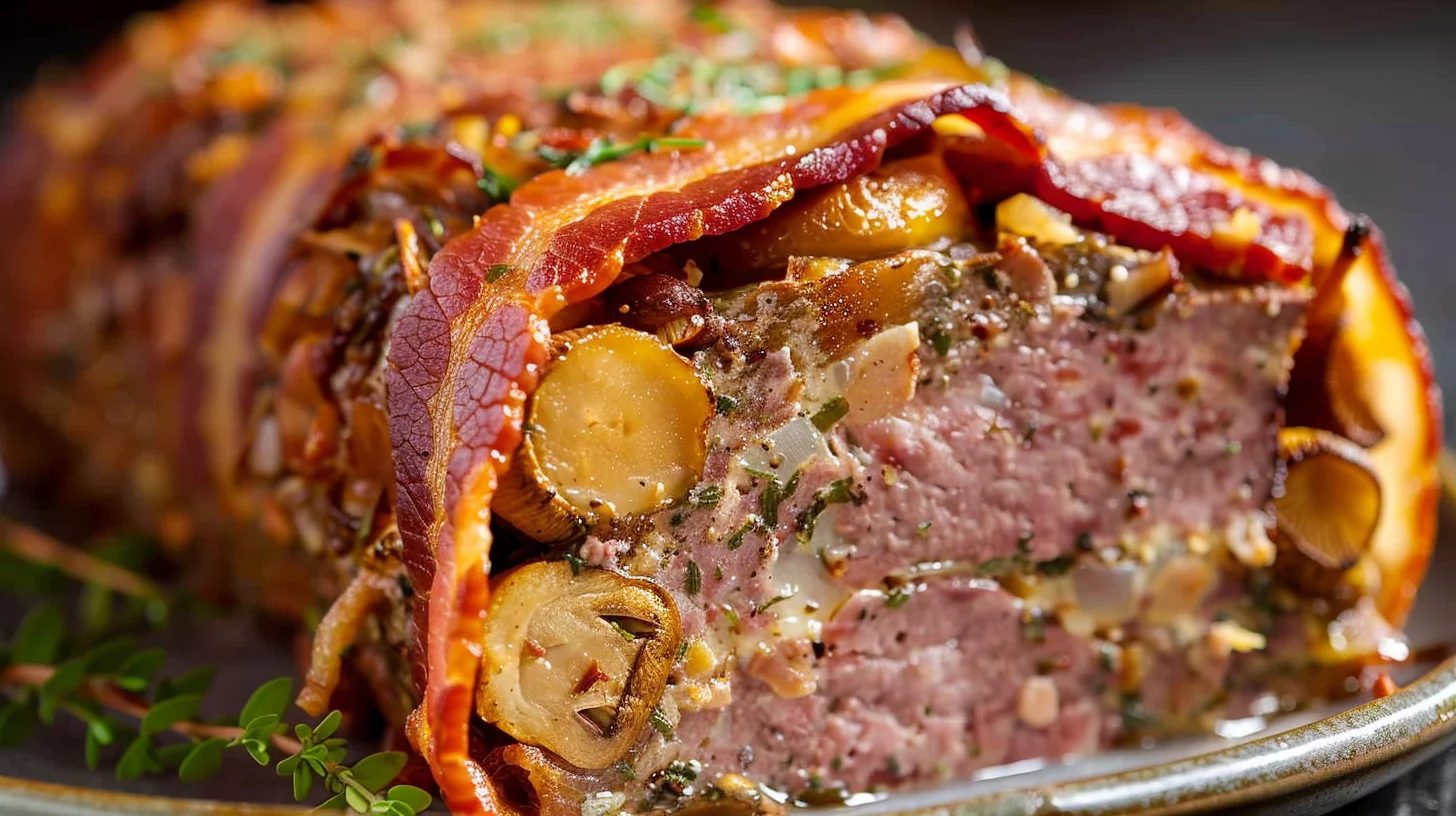
Foraged Wild Game Pantry
- Prep Time: 20 minutes
- Cook Time: 45 minutes
- Total Time: 65 minutes
- Yield: 4-6 servings
- Category: Breakfast
- Method: Baking
- Cuisine: Française
Description
Discover the secrets of creating gourmet dishes with our Foraged Wild Game Pantry guide. Learn expert tips and recipes to elevate your culinary skills today!
Ingredients
- 8 oz (227 g) chicken livers soaked overnight in milk
- 3 oz (85 g) fresh wild mushrooms preferably a firm type, like lobster mushrooms, chanterelles, or hen of the woods
- 24 oz (680 g) chicken thighs or legs cut into large pieces to go through a meat grinder, skin diced into 1/2 inch pieces
- 4 oz (113 g) diced beef bacon
- 1/4 teaspoon (1 ml) pink salt
- 1 teaspoon (5 ml) quatre epice equal parts ground clove, nutmeg, allspice and black pepper
- 3 bay leaves
- 2 teaspoon (10 ml) s chopped fresh thyme
- 2 teaspoon (10 ml) s apple juice
- 10 grams (3/4 tablespoon (11 ml)) kosher salt plus more to taste
- Freshly ground white pepper to taste
- About 4 oz (113 g) thinly sliced beef bacon for wrapping the terrine, or caul fat
- 2 egg yolks
- 8 ounce (227 g) s inside of white bread torn into pieces, plus a good chunk of heel or similar for cleaning the grinder
- 3/4 cup (180 ml) milk
Instructions
- Mince the mushrooms finely and cook them in a pan without any oil until they release their moisture and soften. Add a bit of oil and a pinch of salt, then cook until the mixture turns golden.
- Soak the bread pieces in milk for 5 minutes, then gently squeeze out the excess liquid and set aside. Discard the remaining milk.
- Toast the bay leaves, thyme, and spices, then grind them and set aside. Mix the chicken thighs and livers with the soaked bread, spices, salt, and pepper, and run them through the medium setting of a meat grinder. Transfer the mixture to a bowl resting in another bowl with ice to keep it cold.
- Ensure the meat is very cold, then grind it again using the smallest setting on the meat grinder. Pass a bread heel through the grinder at the end to extract as much of the meat as possible, although this step is optional for texture enhancement.
- If the fine setting is challenging, it’s acceptable to use the medium setting twice.
- Incorporate the bacon, mushrooms, apple juice, and egg yolks into the mixture, then cook a small sample to check the flavor. Adjust by adding salt as needed, tasting until it satisfies your preference. Remember, it should be slightly salty, as it will be served cold.
- Let the chicken mixture sit overnight to enhance the flavors.
- Set your oven to 250°F. Line a terrine mold with parchment and then with the thinly sliced bacon or caul fat so it covers the sides as a wrapping.
- Bake the terrine in a water bath with the fan on low, covered with foil, for about 1.5 hours or until it reaches an internal temperature of 150°F. Remove the pan from the oven, allow it to cool uncovered for 30 minutes, then cover and refrigerate.
- I usually place a weight on the terrine while it cools in the fridge, but you can omit this step if space is an issue.
- The terrine becomes firmer as it chills. To unmold, warm the outside of the pan by placing it in hot water or using a blow torch. Lay a cutting board on top, flip it confidently, pat it dry, wrap it in cling film, and store until needed.
Notes
- Soaking chicken livers in milk overnight softens their flavor and purges impurities, enhancing taste and texture
- Toasting bay leaves, thyme, and spices releases essential oils, deepening the terrine’s aroma and flavor profile
- Grinding the meat mixture twice creates a smoother texture for a refined terrine; use bread heel for resourcefulness
Mastering the Foraged Wild Game Pantry
Fundamentals
At the core of any great dish lies an understanding of the ingredients and techniques involved. When working with a foraged wild game pantry, the focus is on highlighting the natural flavors of each component. Chicken livers, for instance, offer a rich, creamy texture that pairs beautifully with the earthy notes of wild mushrooms. The choice of mushrooms, such as chanterelles or hen of the woods, can greatly influence the dish’s final flavor profile, bringing in a hint of the forest.
The preparation begins with soaking chicken livers in milk overnight. This step not only tenderizes the livers but also mellows any strong flavors, ensuring a smooth and delicate terrine. Meanwhile, the diced beef bacon introduces a smoky depth that complements the subtle sweetness of the mushrooms, creating a harmonious balance.
Preparation/setup
Before diving into the cooking process, it’s essential to organize your workspace and gather all the ingredients. Mince the mushrooms finely and cook them in a pan until they release their moisture and turn golden. This step accentuates their flavor and sets the stage for the terrine’s complexity.
Soak the bread in milk, gently squeezing out excess liquid before mixing it with the chicken thighs, livers, and spices. The combination of clove, nutmeg, allspice, and black pepper in quatre épice brings a warm, aromatic touch to the dish. Once the ingredients are ready, run them through a meat grinder to achieve the desired consistency. Maintaining a cold temperature throughout this process is crucial to preserving the texture and taste.
Crafting the Perfect Terrine
Technique
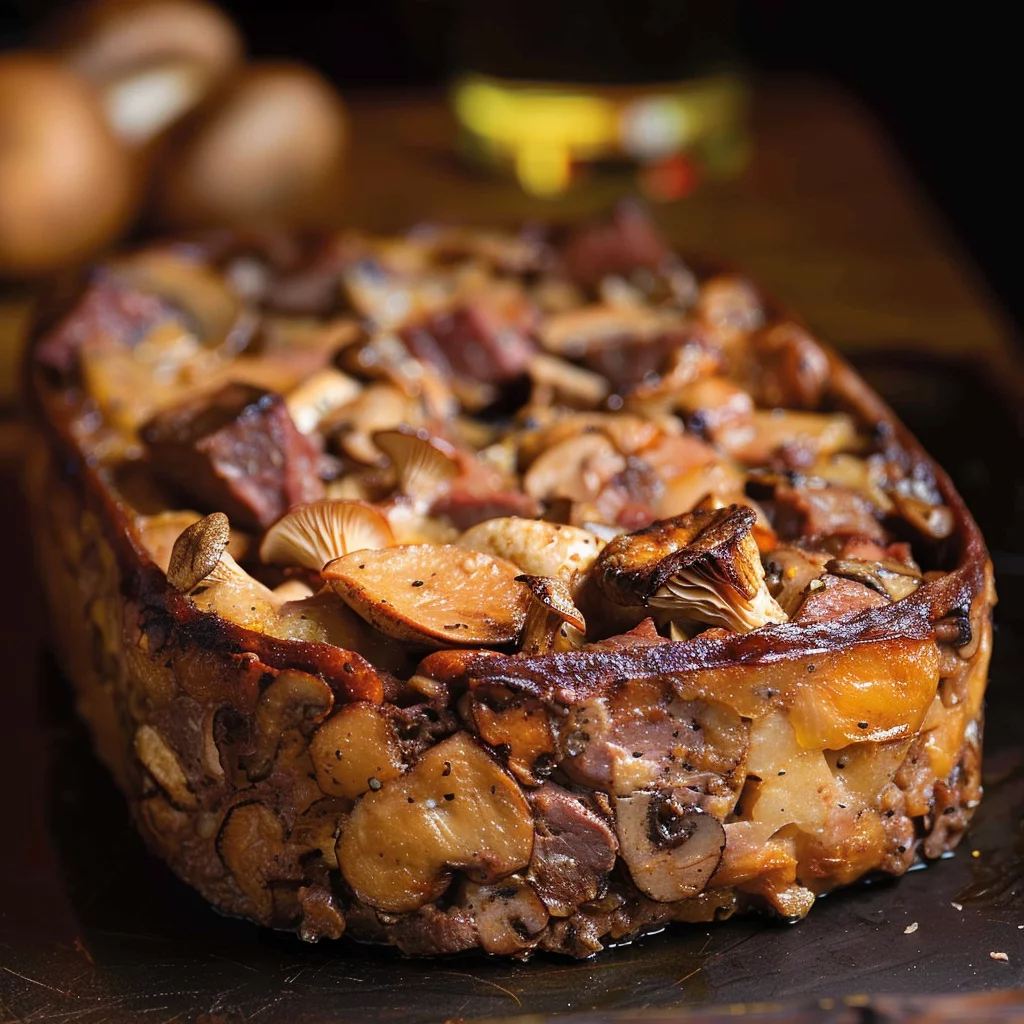
The technique of creating a terrine involves a blend of precision and creativity. Ensure the meat mixture remains cold by placing the bowl over ice. This step is vital for achieving a smooth, cohesive consistency. Grinding the mixture twice—first on a medium setting, then on the smallest—enhances the terrine’s texture.
Incorporating ingredients like bacon, mushrooms, apple juice, and egg yolks adds layers of flavor and helps bind the terrine. Cooking a small sample is a smart move to check the seasoning; it should taste slightly salty as it will be served cold, intensifying the flavors.
Foraged Wild Game Pantry
Tips/tricks
Letting the chicken mixture rest overnight is a trick that enhances the overall taste. The flavors meld together beautifully, resulting in a more harmonious dish. Line a terrine mold with parchment and wrap it with thinly sliced bacon or caul fat, which not only adds flavor but also helps keep the terrine moist during baking.
Baking the terrine in a water bath ensures gentle, even cooking. Covering it with foil and setting the oven to a low temperature helps achieve the perfect texture without overcooking. This method allows the terrine to reach an internal temperature of 150°F, the point at which it firms up while retaining moisture.
Elevating the Foraged Wild Game Pantry Experience
Perfecting results
A terrine is a work of art that requires patience and attention to detail. After baking, allow it to cool for 30 minutes before refrigerating. Placing a weight on top helps compact the terrine, resulting in a firm, sliceable texture. If space is limited, you can skip this step, but it does contribute to a polished finish.
Unmolding the terrine can be a delicate task. Warming the outside of the mold by placing it in hot water or using a blow torch loosens the edges, making it easier to release. Flip the terrine onto a cutting board with confidence, and wrap it in cling film for storage.
Troubleshooting/variations
If your terrine turns out too soft, it may require additional cooking time. Ensure the internal temperature reaches 150°F for optimal results. Variations are an exciting way to explore different flavors. Consider incorporating other herbs like rosemary or parsley for a fresh twist.
Experimenting with different mushroom varieties or adding a splash of citrus can also elevate the dish. For those curious about more adventurous flavors, these wild game pepperoni sticks provide a delightful contrast to the terrine’s smooth texture.
Serving and Storing Your Culinary Creation
Serving/presentation
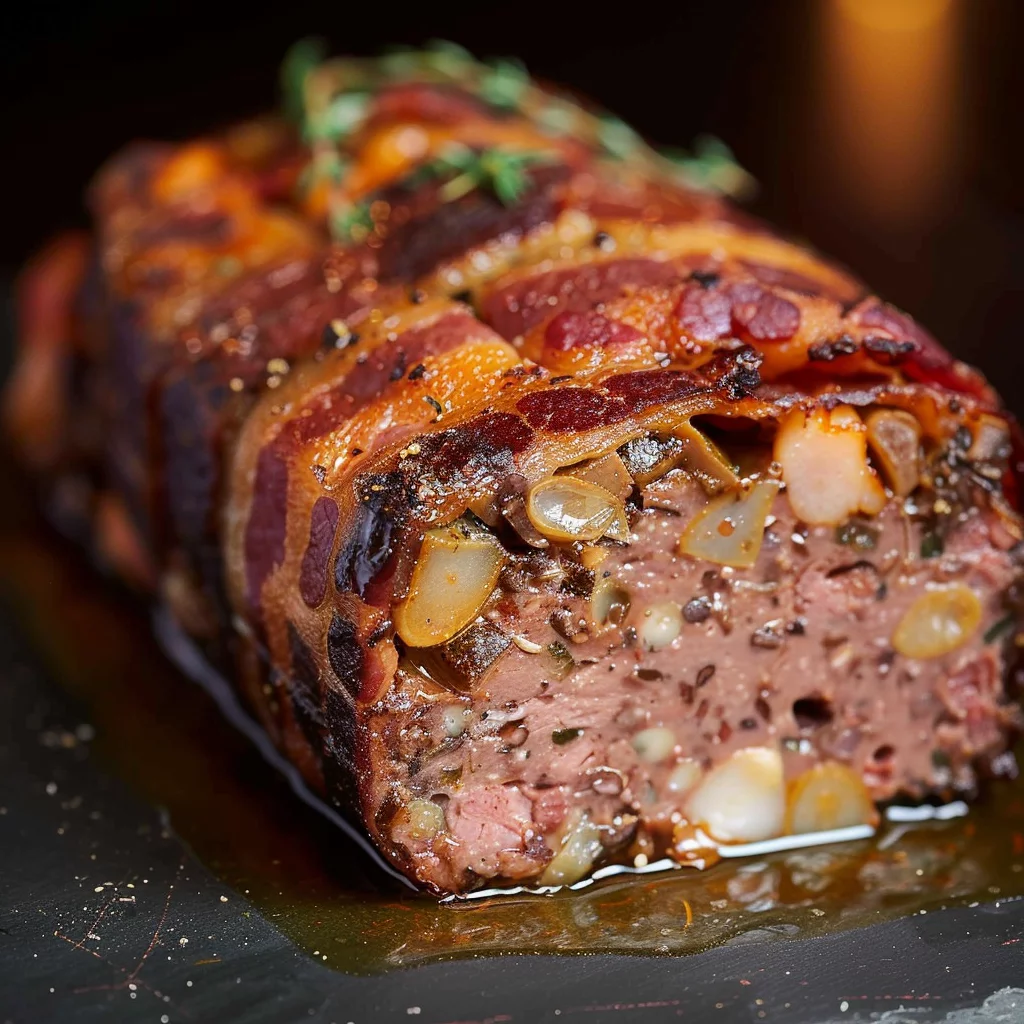
Presentation is key to showcasing your terrine. Once unmolded, slice it carefully to reveal the intricate layers. Serve it chilled, allowing the flavors to shine. Pair with crusty bread or a simple green salad to complement the rich, earthy notes.
For an elegant touch, arrange slices on a platter with garnishes like fresh thyme sprigs or edible flowers. This attention to detail not only enhances the visual appeal but also elevates the dining experience.
Pairings/storage
Pairing your terrine with a variety of accompaniments can make for an exciting meal. Consider serving it alongside a chutney or a tangy apple compote to balance the savory flavors. For a complete meal, try it with a hearty dish like Buffalo Wild Wings Garlic Parmesan Chicken Pasta, adding a touch of indulgence to your table.
Foraged Wild Game Pantry
Proper storage is essential for maintaining the terrine’s quality. Keep it wrapped in cling film and store it in the refrigerator for up to five days. For longer storage, consider freezing portions, ensuring they are well-sealed to prevent freezer burn.
Conclusion
Creating a chicken liver and wild mushroom terrine is a rewarding experience that showcases the beauty of a foraged wild game pantry. By carefully selecting ingredients and mastering the techniques involved, this dish becomes a testament to the art of cooking.
The terrine, with its rich flavors and elegant presentation, offers a unique culinary journey. Its versatility allows for endless variations, making it a staple in any adventurous cook’s repertoire. Embrace the challenge, and let the terrine become a centerpiece at your table, celebrated for its complexity and depth.
Utilize the techniques and tips shared here to elevate your cooking skills, and enjoy the satisfaction of crafting a dish that not only delights the palate but also honors the tradition of using a foraged wild game pantry.