
📑 Table of Contents ▶
There’s something magical about standing in the kitchen with my grandmother, the aroma of sweet honey and baked goods wafting through the air. As a child, I often watched her craft her famous German bee sting cake, a recipe that carried generations of love and culinary expertise. My eyes would follow her every move, from whisking the eggs to folding in the fluffy cream.
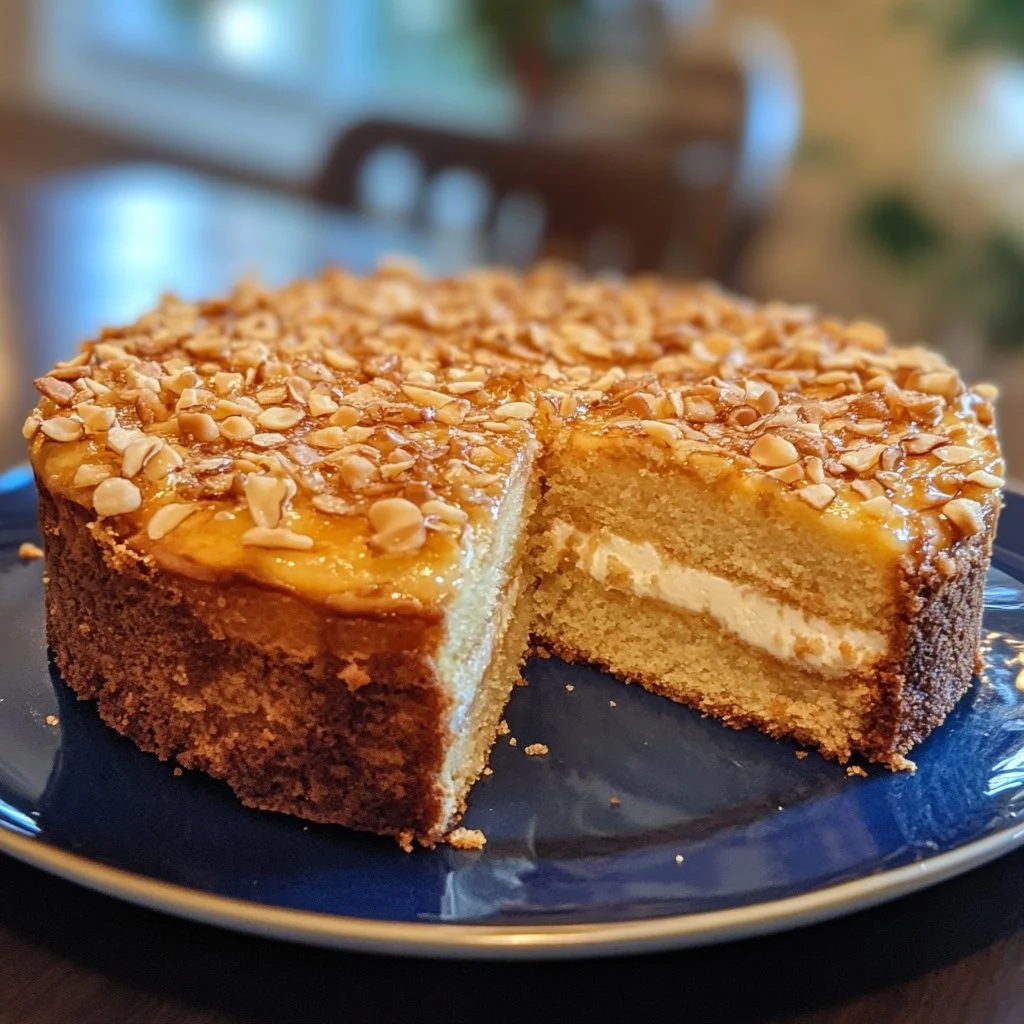
This German bee sting cake recipe captures that moment perfectly. With its soft yeast cake, creamy custard, and crunchy almond topping, it means more than just dessert; it embodies memories. Each time I recreate this delightful dish, it transports me back to those afternoons, where laughter and the sweet scent of baking filled our family home.
The traditional German bee sting cake, or "Bienenstich," not only satisfies sweet cravings but also tells a story. It reflects the comfort of home and the importance of family traditions. Imagine biting into its layered delight, each mouthful marrying textures and flavors seamlessly. It’s not just a cake; it’s a slice of love. So, let’s dive into the enchanting world of baking this iconic German bee sting cake, sharing in the sweet nostalgia of grandma’s kitchen.
German Bee Sting Cake Fundamentals
Baking a German bee sting cake can feel daunting, but it offers incredible rewards. The beauty of this recipe lies in its simple ingredients and essential techniques. At its core, the cake consists of yeast dough, filled with custard, and topped with crunchy almonds. This delightful combination makes the bee sting cake a must-try for any baking enthusiast.
To start, understanding the building blocks is crucial. Yeast serves as the magic that makes the cake rise to fluffy perfection. Pay attention to both the dough’s texture and the rising time, as these factors will impact your cake’s final outcome. The creamy custard filling adds richness, balancing the sweetness of the cake and honey topping.
Another aspect to consider is preparation. Allowing time for the dough to rise properly is non-negotiable. Patience pays off—this cake’s signature fluffiness results from giving the yeast enough time to work its magic. Gather your ingredients and immerse yourself in the process—this cake requires both time and a touch of love.
Preparation/Setup
Setting up your workspace can streamline the baking process. Start by measuring all your ingredients to avoid scrambling at the last minute. Gather flour, sugar, milk, butter, yeast, almond slices, and honey. With everything at hand, the baking process will flow smoothly.
Before mixing the dough, ensure that the room temperature is warm. Yeast thrives in a cozy environment, so consider warming your mixing bowl slightly. Warm milk and melted butter create an ideal atmosphere for the yeast, enhancing the dough’s rise.
Next, prepare your baking pan. A springform pan works beautifully for this recipe. Grease it lightly to prevent sticking, and line the base with parchment paper for added ease. A proper setup allows you to focus on the artistry of baking rather than worry about messes afterward.
Ingredients
Gather these essential ingredients to create your German bee sting cake:
- 4 cups all-purpose flour
- 1 cup warm milk (110°F)
- 1/4 cup sugar
- 1 teaspoon salt
- 2 teaspoons active dry yeast
- 1/4 cup unsalted butter, melted
- 4 large eggs
- 1 cup sliced almonds
- 1/2 cup honey
- 1 teaspoon vanilla extract
- 2 cups heavy cream
Directions
- In a mixing bowl, combine warm milk, sugar, and active dry yeast. Allow the mixture to rest for about 5-10 minutes until foamy.
- Incorporate melted butter, vanilla extract, and salt. Gradually mix in the flour and eggs until a dough forms.
- Knead the dough on a lightly floured surface for about 10 minutes, until smooth and elastic. Place the dough in a greased bowl, cover it, and let it rise until doubled in size (about 1 hour).
- Preheat your oven to 350°F (175°C). Punch down the dough, and spread it evenly in the prepared springform pan.
- For the topping, mix sliced almonds with honey in a small bowl. Spread the almond mixture over the dough.
- Bake for 25-30 minutes or until golden brown. Once cooled, slice the cake in half horizontally.
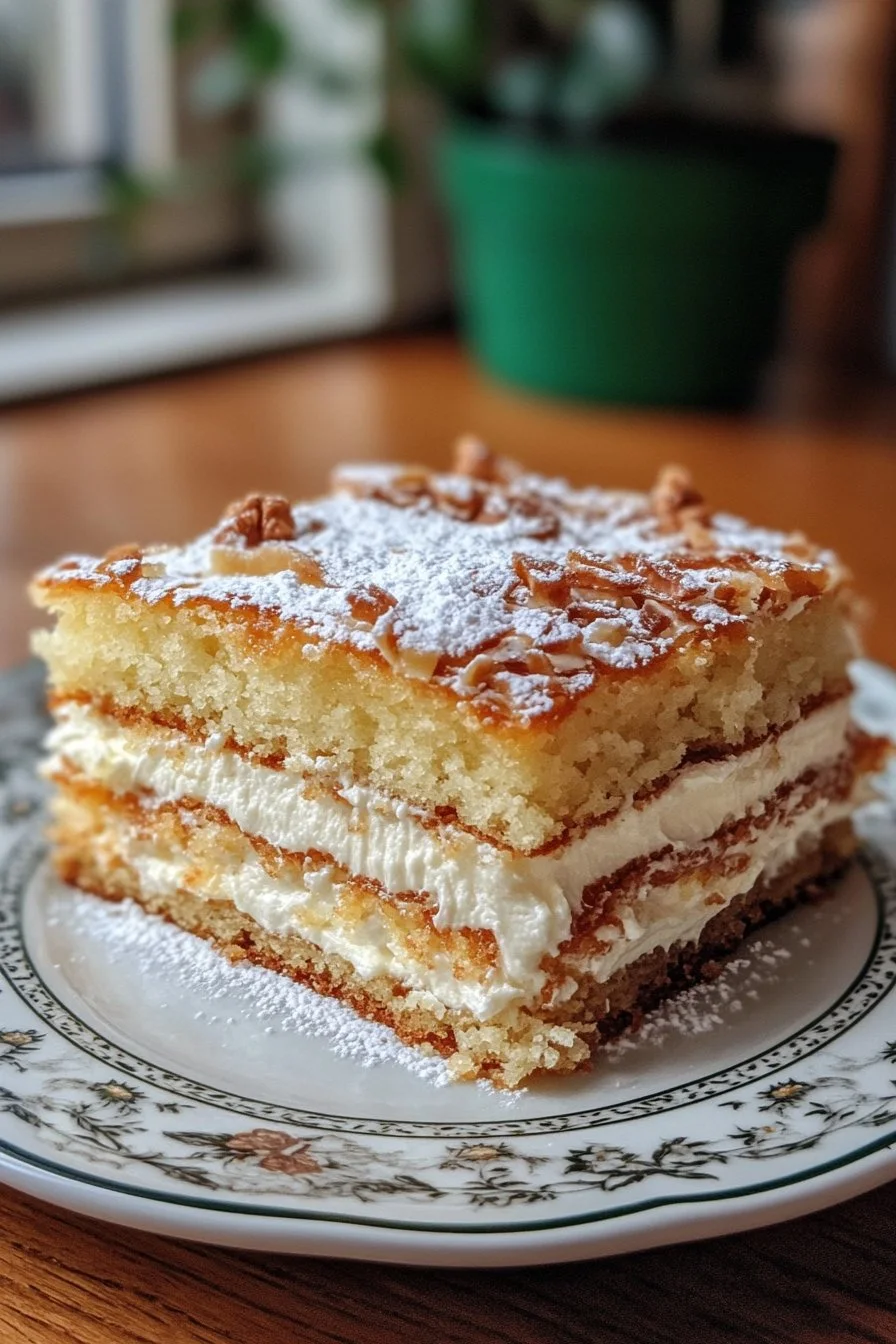
- Whip heavy cream until stiff peaks form. Spread whipped cream in the center and place the top half back on the cake.
Crafting the Perfect German Bee Sting Cake Technique
Creating the perfect German bee sting cake involves mastering certain techniques. As you bake, focus on the yeast dough and the preparation of the custard filling.
Before baking, ensure that your yeast is fresh. Yeast needs to be active for the dough to rise properly. If the milk temperature is too hot, it could kill the yeast. Aim for a warm but not hot temperature.
When it comes to shaping the dough, gently stretch it to fit your baking pan. Avoid drastic handling, as it can affect the yeast’s effectiveness. After the initial rise, thoroughly punch down the dough to release excess air, allowing it to rise again in the pan. This double-rising technique promotes a light and fluffy cake.
Tips/Tricks
Baking can come with its challenges, so a few tricks can elevate your German bee sting cake:
- If you’re in a hurry, you can use pre-made custard to hasten the filling process.
- For added flavor, consider infusing the custard with a touch of lemon zest or almond extract.
- Ensure your heavy cream is very cold before whipping; this will help achieve a better texture.
- Store any leftovers in the refrigerator to maintain freshness.
Baking is an art, and each cake tells a story. Don’t be afraid to experiment with flavors while staying true to the original essence of the German bee sting cake.
Perfecting Results and Troubleshooting
Even seasoned bakers encounter hurdles. Perfecting your German bee sting cake involves knowing how to troubleshoot common problems. Sometimes, the dough may refuse to rise. This typically indicates that the yeast is old or that the environment was too cool. Ensure a warm environment during both rises.
A dry cake results from overbaking. Always set a timer and check the cake for doneness, easing out a toothpick to ensure it’s clean. If your cake comes out too moist, consider reducing the liquid in your cream filling.
Troubleshooting/Variations
Baking is all about adjustments. If your cake turns out too dense, give it another gentle knead next time. Always ensure that every ingredient is well incorporated.
To switch things up, try adding fresh fruit or a citrus syrup drizzle over the whipped cream layer. Consider experimenting with different nut toppings, like hazelnuts or walnuts. Each variation brings unique flair to a beloved classic.
Serving and Presentation
Presentation matters, especially for an iconic dessert like a German bee sting cake. Once cooled, slice it carefully to reveal the luscious filling. Arrange the pieces on a decorative serving platter to enhance its visual appeal.
Consider serving with a dollop of fresh whipped cream or a dusting of powdered sugar. The vibrant colors of the almond topping juxtaposed with creamy filling create a feast for both the eyes and palate.
Pairings and Storage
Pair your cake with a cup of freshly brewed coffee or herbal tea for a well-rounded dessert experience. The combination adds warmth to the flavors, inviting indulgence with each bite.
Store the leftover cake in an airtight container in the refrigerator for up to three days. This ensures the cake and filling stay fresh and moist for your enjoyment.
Conclusion
Baking the German bee sting cake isn’t merely about following directions; it’s about storytelling and creating memories. With each ingredient, you embrace tradition and family bond. Nurturing the flavors mirrors the time spent in my grandmother’s kitchen, where patience made every bite worth savoring. This magical cake—soft, sweet, and richly layered—invites you to explore and relish the delightful journey of baking. Enjoy the process, and savor the sweetness of grandma’s love with every slice.
Print
German Bee Sting Cake
- Prep Time: 15 minutes
- Cook Time: 30 minutes
- Total Time: 45 minutes
- Yield: 12 servings
- Category: Dessert
- Method: Baking
- Cuisine: German
- Diet: Vegetarian
Description
A delightful German bee sting cake filled with creamy custard and topped with crunchy almonds, perfect for indulging in family memories.
Ingredients
- 4 cups all-purpose flour
- 1 cup warm milk (110°F)
- 1/4 cup sugar
- 1 teaspoon salt
- 2 teaspoons active dry yeast
- 1/4 cup unsalted butter, melted
- 4 large eggs
- 1 cup sliced almonds
- 1/2 cup honey
- 1 teaspoon vanilla extract
- 2 cups heavy cream
Instructions
- In a mixing bowl, combine warm milk, sugar, and active dry yeast. Allow the mixture to rest for about 5-10 minutes until foamy.
- Incorporate melted butter, vanilla extract, and salt. Gradually mix in the flour and eggs until a dough forms.
- Knead the dough on a lightly floured surface for about 10 minutes, until smooth and elastic. Place the dough in a greased bowl, cover it, and let it rise until doubled in size (about 1 hour).
- Preheat your oven to 350°F (175°C). Punch down the dough, and spread it evenly in the prepared springform pan.
- For the topping, mix sliced almonds with honey in a small bowl. Spread the almond mixture over the dough.
- Bake for 25-30 minutes or until golden brown. Once cooled, slice the cake in half horizontally.
- Whip heavy cream until stiff peaks form. Spread whipped cream in the center and place the top half back on the cake.
Notes
For a zestier flavor, consider adding lemon zest to the custard filling. Always ensure the yeast is fresh for optimal rise.